How to Extend the Lifespan of Your HVAC System Through Maintenance
6 January 2026
Let’s face it — your HVAC system isn’t exactly the sexiest part of your home, but it sure is one of the most important. Whether it’s keeping you cool in the middle of a blazing summer or warm during a snowstorm, your heating, ventilation, and air conditioning (HVAC) system is always working hard behind the scenes. But here’s the kicker: without proper maintenance, that trusty system can wear down faster than you’d expect — and replacing it? That’s no small expense.
So, how can you keep your HVAC system running smoothly for years to come? The answer lies in regular, simple maintenance. Yep, with just a bit of effort and consistency, you can add years to your system’s life, save money, and stay comfortable no matter what Mother Nature throws your way.
Let’s break down how to do it.
Why Maintenance Matters
Think of your HVAC system like your car. Would you drive it for years without ever changing the oil or checking the tires? Probably not, right? Just like your vehicle, HVAC systems need periodic attention to keep running at their best.Skipping maintenance can lead to:
- Higher energy bills
- Reduced efficiency
- Poor indoor air quality
- Frequent breakdowns
- A shorter system lifespan
And let’s be honest — nobody wants to deal with a broken AC when it’s 95 degrees outside.
The Real Cost of Neglect
Before we dive into the “how,” it’s important to understand the risks of ignoring HVAC maintenance. Most HVAC systems are built to last about 10 to 15 years. But without proper care, you could start seeing problems in as little as five.Repairs can stack up quickly: a clogged filter leads to airflow issues, which strains your blower, which in turn affects your compressor... you get the picture. That small issue snowballs, and suddenly you’re footing the bill for a system-wide repair — or worse, a total replacement.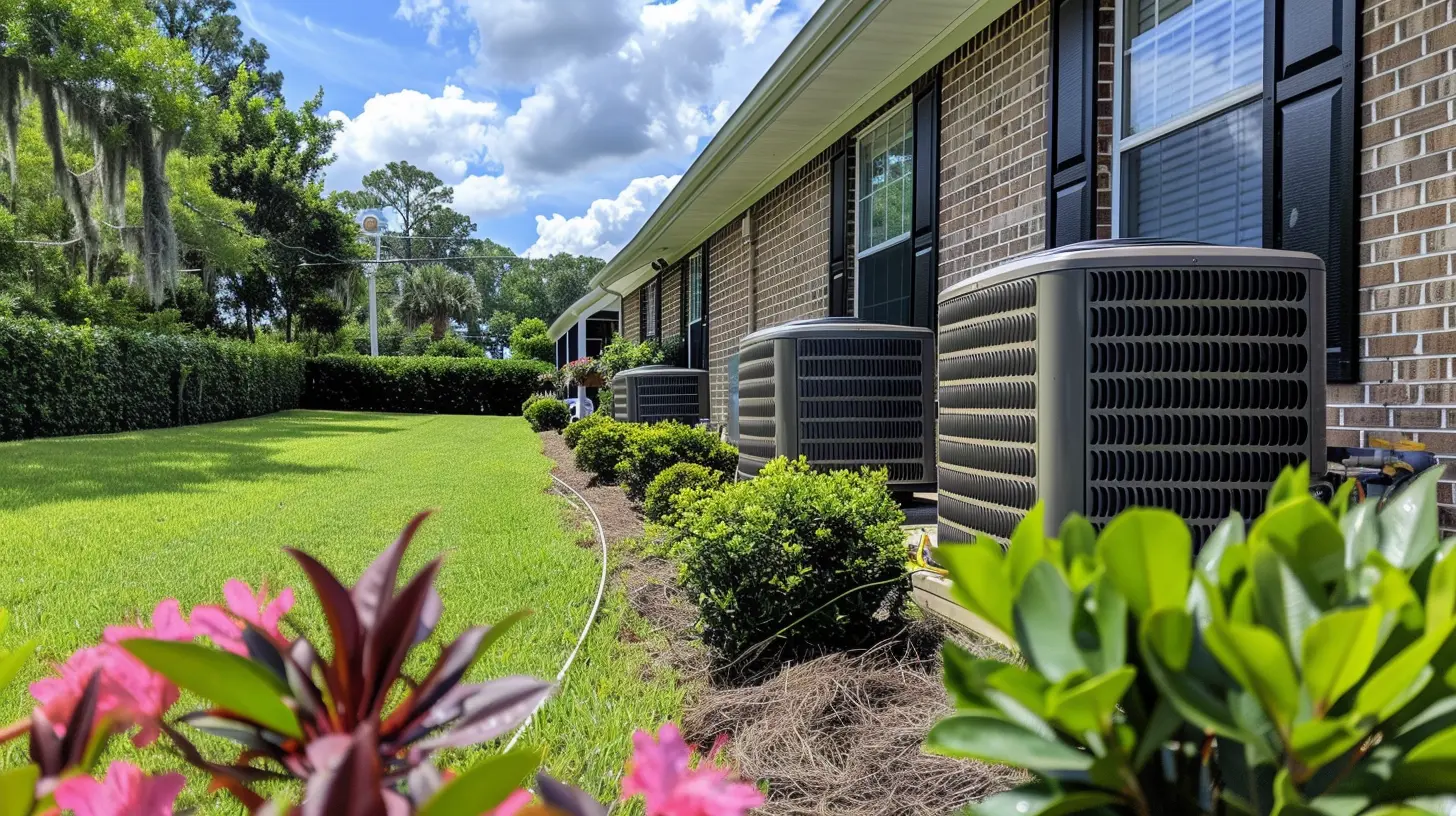
Step-by-Step Guide to HVAC Maintenance
No need to be a rocket scientist here — HVAC maintenance is easier than you might think. Here’s a rundown of what you (and sometimes a pro) should be doing regularly.1. Change Your Air Filters Regularly
Let’s start with the simplest (yet most often ignored) task: swapping out your air filters.Dirty filters restrict airflow, make your system work harder, and reduce indoor air quality. Ideally, change them every 1 to 3 months depending on:
- Filter type (cheap fiberglass ones need changing more often)
- Pets in your home
- Allergies or asthma
- General air quality in your area
Pro Tip: Set a calendar reminder. It makes a big difference.
2. Keep the Outdoor Unit Clean
Your outdoor condenser unit needs breathing room. Leaves, dirt, and debris can clog the unit and reduce its efficiency. Every few weeks:- Clear out any buildup
- Trim plants at least two feet around the unit
- Gently hose down the fins (be careful not to bend them!)
This helps your system release heat more effectively and reduces strain on the machinery.
3. Clean the Vents and Registers
Dust isn’t just ugly — it’s murder on your HVAC system. When vents and registers are covered in gunk, airflow takes a nosedive.- Wipe them down regularly
- Vacuum out any buildup inside the ducts if you can reach it
- Make sure they’re not blocked by furniture or rugs
It’s one of those tiny tasks that adds up big time over the years.
4. Schedule Seasonal Professional Maintenance
Yes, there are things only the pros can handle. And it’s worth budgeting for.Twice a year (once before summer, once before winter), have a certified HVAC technician check things like:
- Refrigerant levels
- Electrical components
- Thermostat calibration
- Ductwork leaks
- Condensate drain clogs
Think of this like a “wellness check” for your system. Slightly annoying? Maybe. But it’s way cheaper than replacing a compressor.
5. Check and Seal Ductwork
Leaky ducts can lose up to 30% of your energy. That’s like pouring money down the drain.Here’s what to do:
- Inspect visible ducts for holes or loose connections
- Use foil tape (not duct tape) to seal small leaks
- Insulate ducts in unconditioned areas (like attics or crawl spaces)
For a thorough job, hire a specialist. It can seriously boost your system’s efficiency.
6. Monitor the Thermostat Settings
Your thermostat isn't just a control panel — it’s the brain of your HVAC system. Make sure it's working smart, not hard.- Upgrade to a programmable or smart thermostat
- Set it to higher temps in summer and lower in winter when no one’s home
- Don’t make huge temperature jumps — it makes your system overwork
Bonus: Smart thermostats can save you up to 10% a year on heating and cooling.
7. Pay Attention to Unusual Noises or Smells
A quiet hum? Normal. A loud grinding or musty smell? Red flag. Your system often warns you when something’s wrong — you just need to listen (or sniff). Common issues include:- Squealing: worn-out belts
- Buzzing: electrical issue
- Musty odor: mold in ducts or drain pan
Don’t ignore the warning signs. Catching problems early can mean the difference between a $100 fix and a full system replacement.
HVAC Maintenance Tips by Season
Different seasons bring different needs. Here’s a quick cheat sheet:Spring / Fall (Prime Tune-Up Time)
- Schedule professional maintenance- Clean coils and check refrigerant
- Test system before the season starts
Summer
- Check insulation and weather stripping- Change filters more frequently (due to high use)
- Keep the area around the outdoor unit clear
Winter
- Test the heating system early- Inspect and clean furnace burners
- Humidify your home to reduce strain on the system
Don’t Forget About Humidity Control
Humidity plays a big role in HVAC performance. Too much moisture? Your system works harder to cool. Too little in winter? It feels colder than it is.Consider these:
- Install a whole-house humidifier/dehumidifier
- Use exhaust fans in kitchens and bathrooms
- Seal up any air leaks (windows, doors)
Balanced humidity makes your HVAC’s job easier — and your home more comfortable.
When to Replace Instead of Maintain
Sometimes, no matter how well you maintain it, your HVAC system just gets... old.Signs it might be time to upgrade:
- Frequent, costly repairs
- Skyrocketing utility bills
- Uneven temperatures throughout your home
- System is 15+ years old
Think of it like replacing an old phone — yes, you can squeeze out a little more life, but at some point, it’s better to invest in something newer and more efficient.
The Payoff: Lower Bills, Longer Life, More Comfort
Here’s the bottom line: maintaining your HVAC system is like brushing your teeth. It’s easy to do, it prevents big problems, and skipping it always ends up costing more.With just a little effort and some professional help here and there, you can extend your system’s life, improve your home’s comfort, and keep your energy bills in check.
Remember: Happy HVAC, happy life.
Final Thoughts
Caring for your HVAC system doesn’t have to be complicated or expensive. It's all about consistency. A few minutes here, a service call there, and you’re set up for long-term savings and comfort. So change that filter, schedule that tune-up, and give your system the TLC it deserves. Your future self — the one who’s not sweating bullets in July — will thank you.all images in this post were generated using AI tools
Category:
Property MaintenanceAuthor:

Vincent Clayton
Discussion
rate this article
2 comments
Kestrel Soto
Great tips! Regular maintenance truly makes a difference in HVAC longevity. Thank you!
January 22, 2026 at 3:41 AM
Vincent Clayton
Thank you! I'm glad you found the tips helpful. Regular maintenance really is key to maximizing HVAC lifespan!
Cora Hubbard
Great article! Regular maintenance is crucial for extending HVAC lifespans, ensuring efficiency and comfort in homes. Simple steps, like changing filters and scheduling seasonal check-ups, can make a significant difference. Homeowners should prioritize these practices for long-term benefits.
January 13, 2026 at 12:26 PM
Vincent Clayton
Thank you for your comment! I completely agree—regular maintenance is key to maximizing HVAC efficiency and lifespan. Simple steps can truly lead to significant benefits for homeowners.