How to Ensure the Longevity of Your Property’s Flooring
25 July 2026
Your floors take a beating every single day. Whether it's from foot traffic, furniture movement, pet claws, or accidental spills, your flooring is constantly under pressure. The good news? With the right care, your floors can stay looking fabulous for years.
But how do you actually protect them? What kind of routine maintenance makes the biggest difference? And are there common mistakes you might be making that are wearing them down faster?
Let's break it all down. 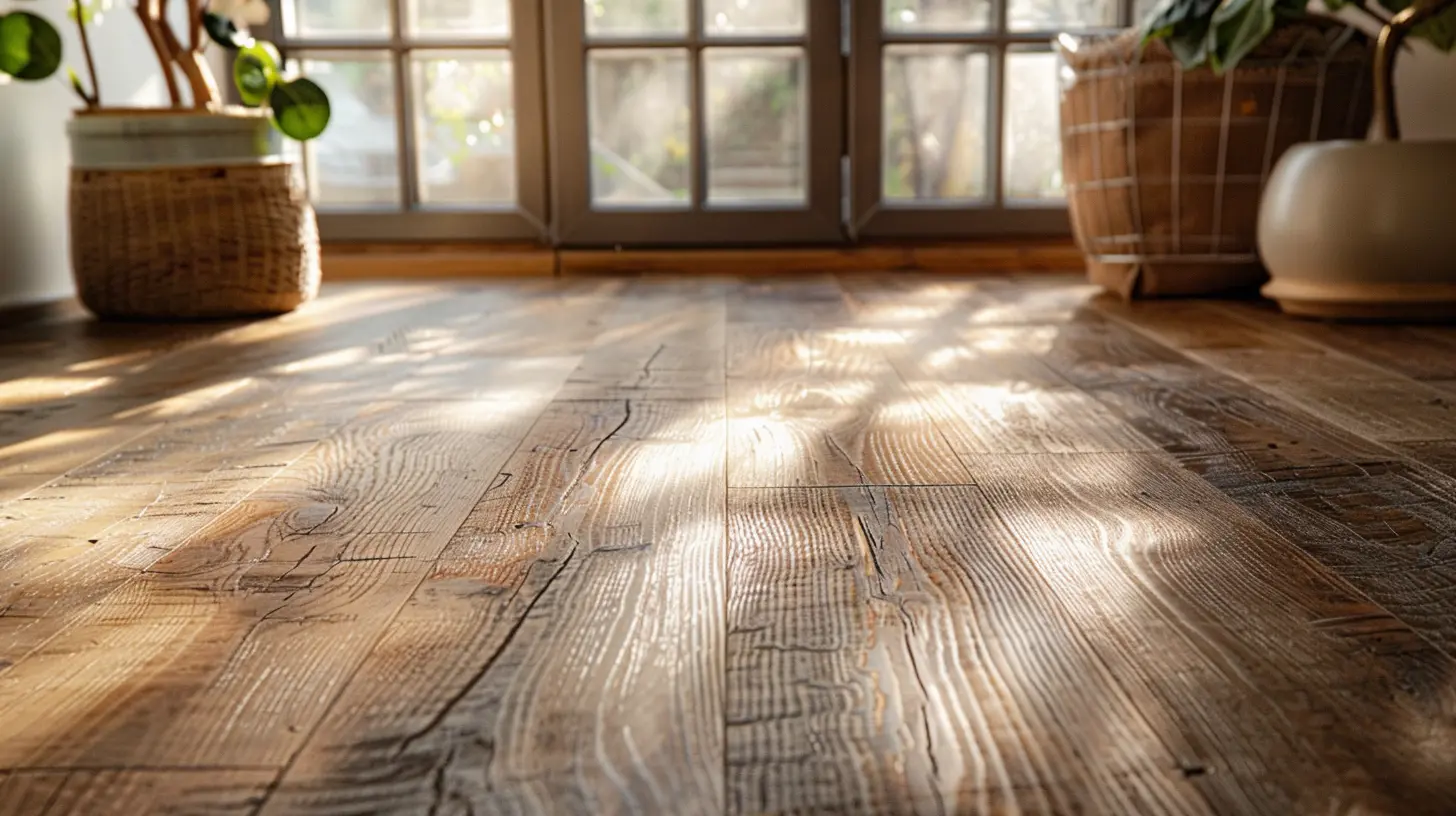
1. Choose the Right Flooring for the Space
Before we even get into maintenance, let’s talk about choosing the right type of flooring in the first place. Some materials are just naturally tougher than others.- High-Traffic Areas: If you’re dealing with hallways, entryways, or family rooms, go for something durable like tile, laminate, or hardwood.
- Moisture-Prone Areas: Bathrooms and kitchens need moisture-resistant options like tile, vinyl, or sealed hardwood.
- Comfort Zones: Bedrooms and living rooms often benefit from softer flooring like carpets or area rugs for a cozy feel.
Picking the right material makes a huge difference in how long your floors last. Choose wisely! 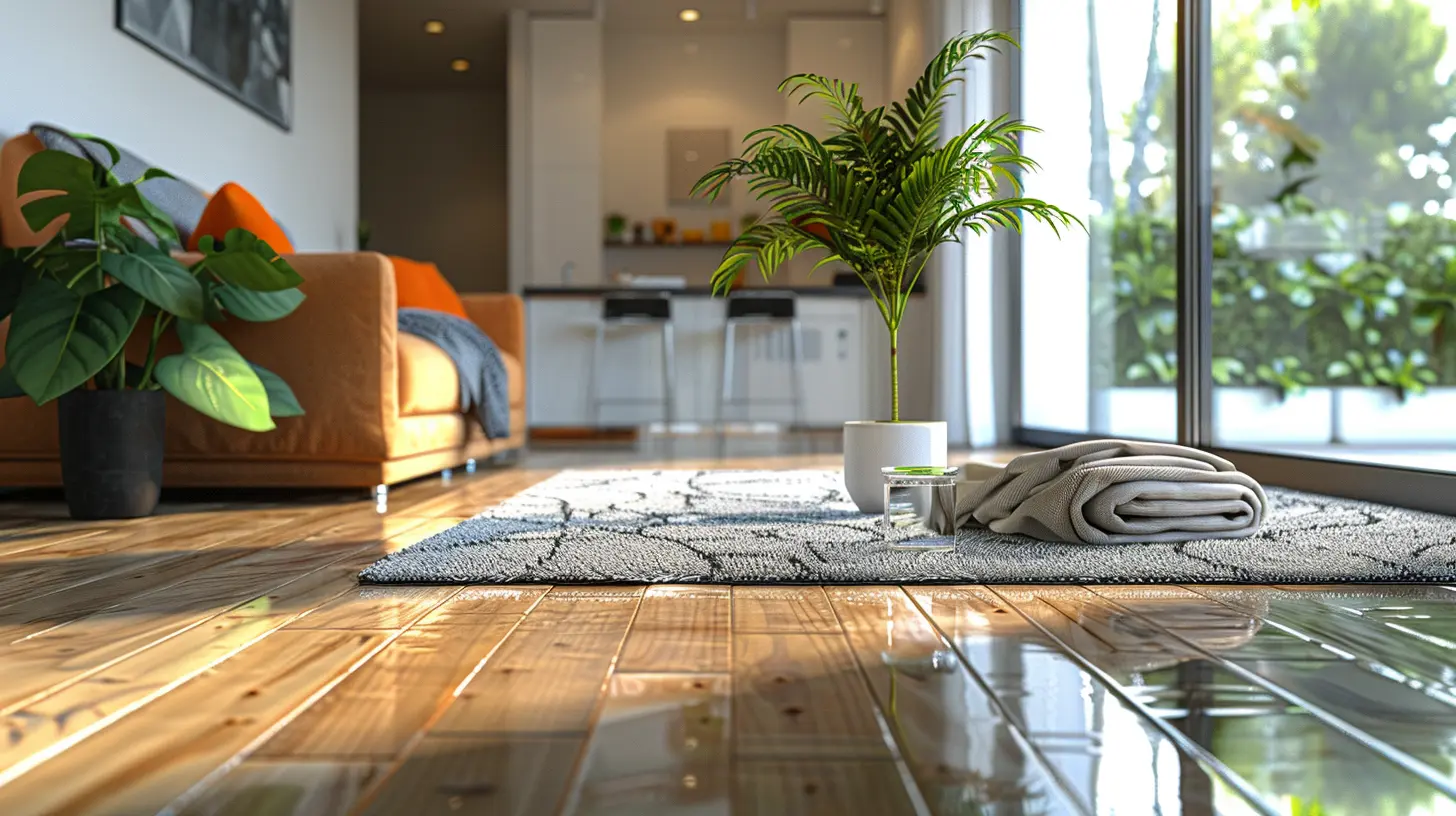
2. Keep Dirt and Debris Under Control
Let’s face it—dirt is your floor’s worst enemy. Tiny particles act like sandpaper, slowly scratching and breaking down the surface over time. The cleaner you keep your floors, the longer they’ll last.Simple Ways to Minimize Dirt:
- Use Doormats – Place mats at every entrance to catch dirt before it gets in.- Shoes Off Policy – Encourage family and guests to leave their shoes at the door.
- Regular Sweeping and Vacuuming – Keeping up with daily or weekly cleanings prevents buildup.
A little effort goes a long way when it comes to keeping debris from destroying your floors. 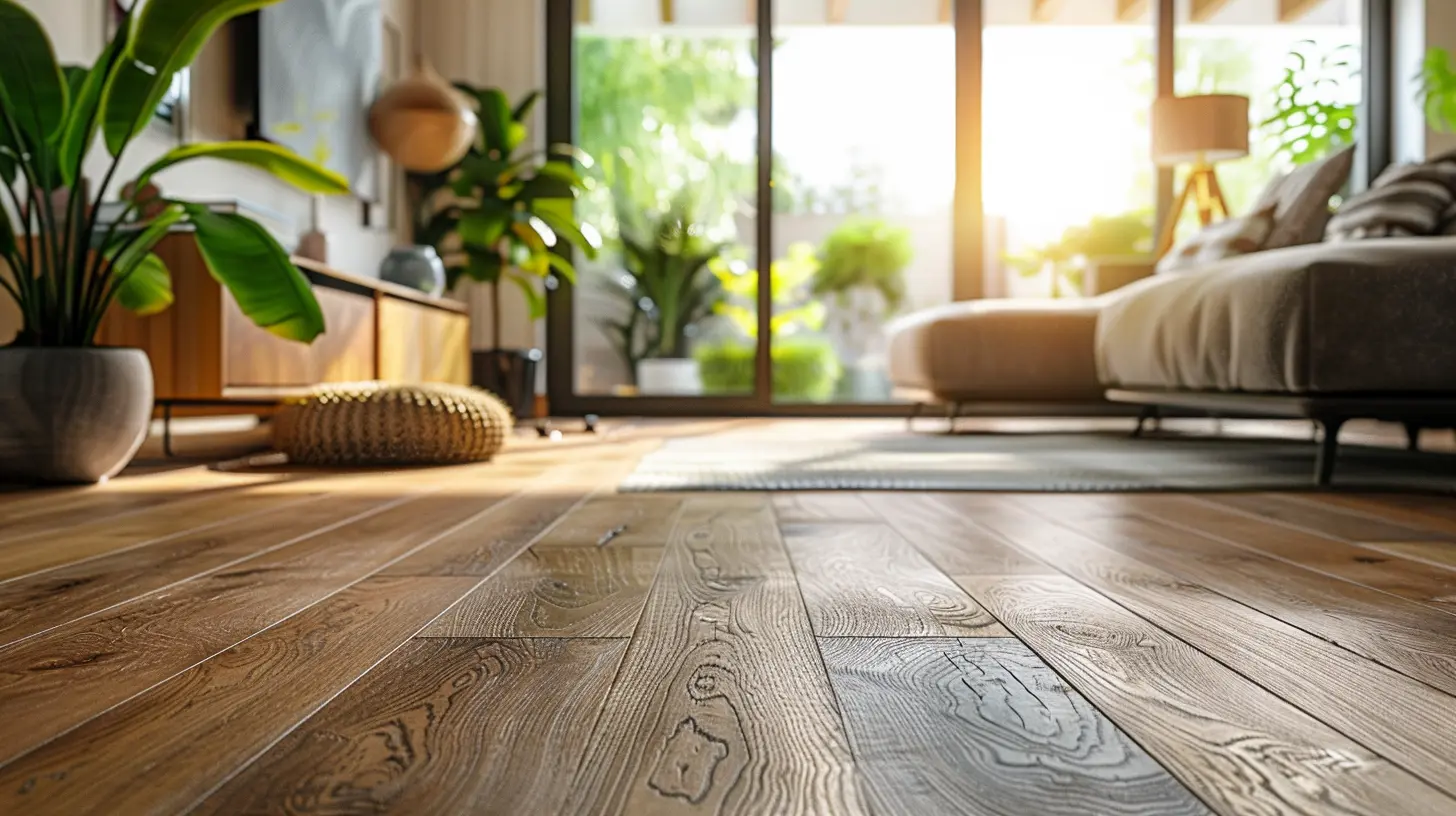
3. Clean Spills ASAP
Spills happen—it's just a fact of life. But leaving liquids to sit too long can lead to water damage, stains, or even mold growth (yikes!).- For Hardwood and Laminate: Wipe up spills immediately to avoid warping and discoloration.
- For Tile and Vinyl: While they handle moisture better, stains and sticky spots can still be an issue, so clean them quickly.
- For Carpets: Blot, don’t rub! Rubbing only pushes the stain deeper into the fibers. A good stain remover can be a lifesaver.
The faster you handle spills, the less damage they can do. 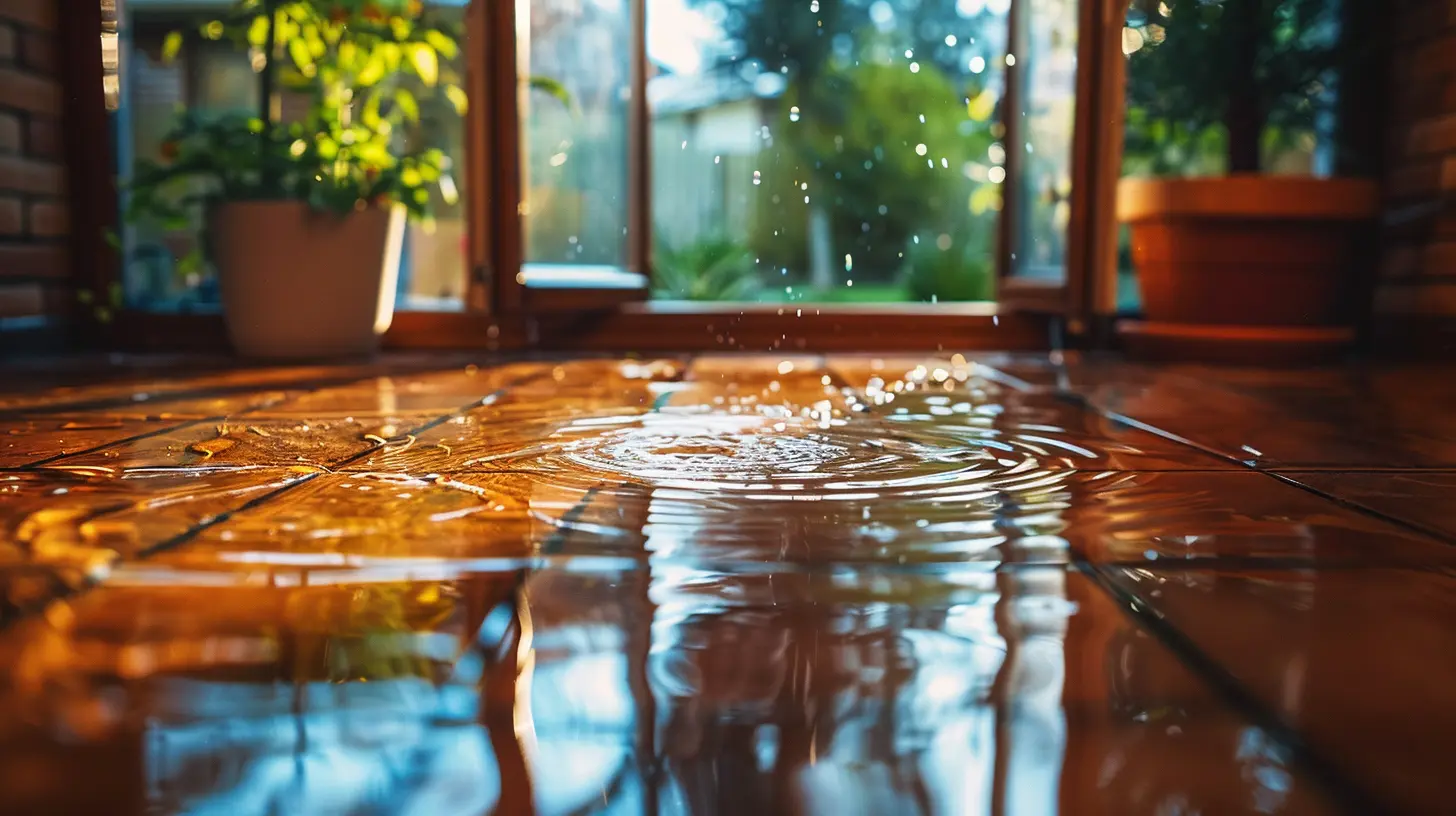
4. Use the Right Cleaning Products
Not all cleaning products are created equal. Some can actually do more harm than good, especially on delicate flooring materials.- Hardwood Floors: Avoid excess water and harsh chemicals. Instead, use a damp mop with a wood-safe cleaner.
- Tile Floors: Mild detergents work great, but avoid anything too acidic or abrasive.
- Laminate Floors: Stay away from wax-based products and too much moisture—laminate doesn’t like to stay wet!
- Carpeted Floors: Invest in a good carpet cleaner and vacuum regularly to prevent buildup.
Using the wrong cleaner can shorten your floor’s lifespan, so always double-check if it’s safe for your specific flooring type.
5. Protect Your Floors from Furniture
Ever moved a couch only to find deep scratches where it used to sit? Yep, furniture can do some serious damage if you’re not careful.Tips to Prevent Damage:
- Use Felt Pads: Stick them under the legs of sofas, chairs, and tables to prevent scratches.- Furniture Coasters: Great for heavier items to prevent dents on hardwood or carpeted floors.
- Lift, Don’t Drag: Always lift furniture instead of sliding it when rearranging a room.
A little precaution now saves you from costly repairs later.
6. Control Humidity Levels
If you have hardwood or laminate flooring, moisture levels in the air can make or break their longevity. Too much humidity? Your floors might warp. Too little? They might crack.The ideal indoor humidity level for most flooring types is between 35% and 55%. Here’s how to maintain it:
- Use a Humidifier in Winter (if your air gets too dry).
- Run a Dehumidifier in Summer (if your home gets too damp).
- Keep an Eye on Ventilation in moisture-heavy areas like kitchens and bathrooms.
Maintaining balanced humidity levels is one of those “small things” that makes a big difference over time.
7. Rotate Rugs and Rearrange Furniture
Floors wear down unevenly, especially in high-traffic areas. If you always walk the same path or keep furniture in the same spots, some areas will age way faster than others.Easy Fixes:
- Rotate Area Rugs every few months to prevent uneven fading.- Move Furniture Around now and then so weight is distributed differently.
- Use Runners in Hallways to protect high-traffic zones.
Keeping things fresh isn’t just great for your home’s aesthetic—it actually helps your floors last longer too!
8. Be Careful with Pets
We love our furry friends, but they can be tough on floors. Between their claws, accidents, and the dirt they track in, pets can speed up wear and tear.How to Keep Floors Safe with Pets:
- Trim Their Nails – Long nails can scratch hardwood and laminate.- Clean Up Accidents Quickly – Moisture can seep into carpets or wood, causing stains and odors.
- Use Pet-Friendly Rugs – Place rugs in high-pet-traffic areas to protect the flooring.
A little extra attention goes a long way when you have pets.
9. Consider Professional Maintenance
Even with the best DIY care, sometimes it’s worth bringing in the pros. Depending on the type of flooring you have, professional maintenance can restore and extend its life.- Hardwood Refinishing: Sanding & refinishing every 7-10 years helps keep hardwood looking new.
- Deep Carpet Cleaning: Professional steam cleaning removes deep-set dirt and allergens.
- Tile & Grout Cleaning: A pro cleaning job can make old tile look brand new again.
Think of it like taking your car in for a tune-up—sometimes you need a little expert help to keep things running smoothly.
10. Avoid Common Flooring Mistakes
Even with the best intentions, many homeowners make mistakes that shorten the life of their flooring. Here are some to watch out for:- Using Too Much Water on Wood or Laminate: Water damage can cause warping and swelling.
- Ignoring Scratches or Dents: Small issues can turn into big problems if left unchecked.
- Skipping Regular Cleaning: Dirt and dust build up over time, causing unnecessary wear.
- Not Using Protective Measures: Rugs, pads, and coasters can add years to your floors.
Steering clear of these mistakes helps keep your flooring in great shape longer.
Final Thoughts
Your floors are one of the biggest investments in your home—so it pays to take care of them. With a little regular maintenance, smart cleaning habits, and some strategic protection, your floors can stay looking beautiful for decades.So, what’s the next step? Maybe it’s time to check your cleaning products, add some furniture pads, or start a “shoes-off” rule. Whatever you do, your floors will thank you!
all images in this post were generated using AI tools
Category:
Property MaintenanceAuthor:

Vincent Clayton
Discussion
rate this article
1 comments
Jax Cox
Great tips on maintaining flooring! Regular cleaning and immediate attention to spills can prevent damage. Also, consider using rugs in high-traffic areas to reduce wear. These simple practices can significantly extend the life of your floors. Keep up the good work!
July 25, 2026 at 3:11 AM