How to Capture the Perfect Kitchen Shot in Real Estate Photography
5 February 2026
Ah, the kitchen. The heart of the home, where gourmet meals are almost cooked and where most of us microwave leftovers like culinary pros. If you’re into real estate photography, you already know the kitchen shot is the money maker. Yep, that's the one that makes buyers dream of hosting dinner parties (even if they only order takeout).
But how do you capture the perfect kitchen shot? Do you just point, shoot, and pray? Nope. There’s an art to it, and today, we’re spilling all the secrets—minus the burnt toast smell. 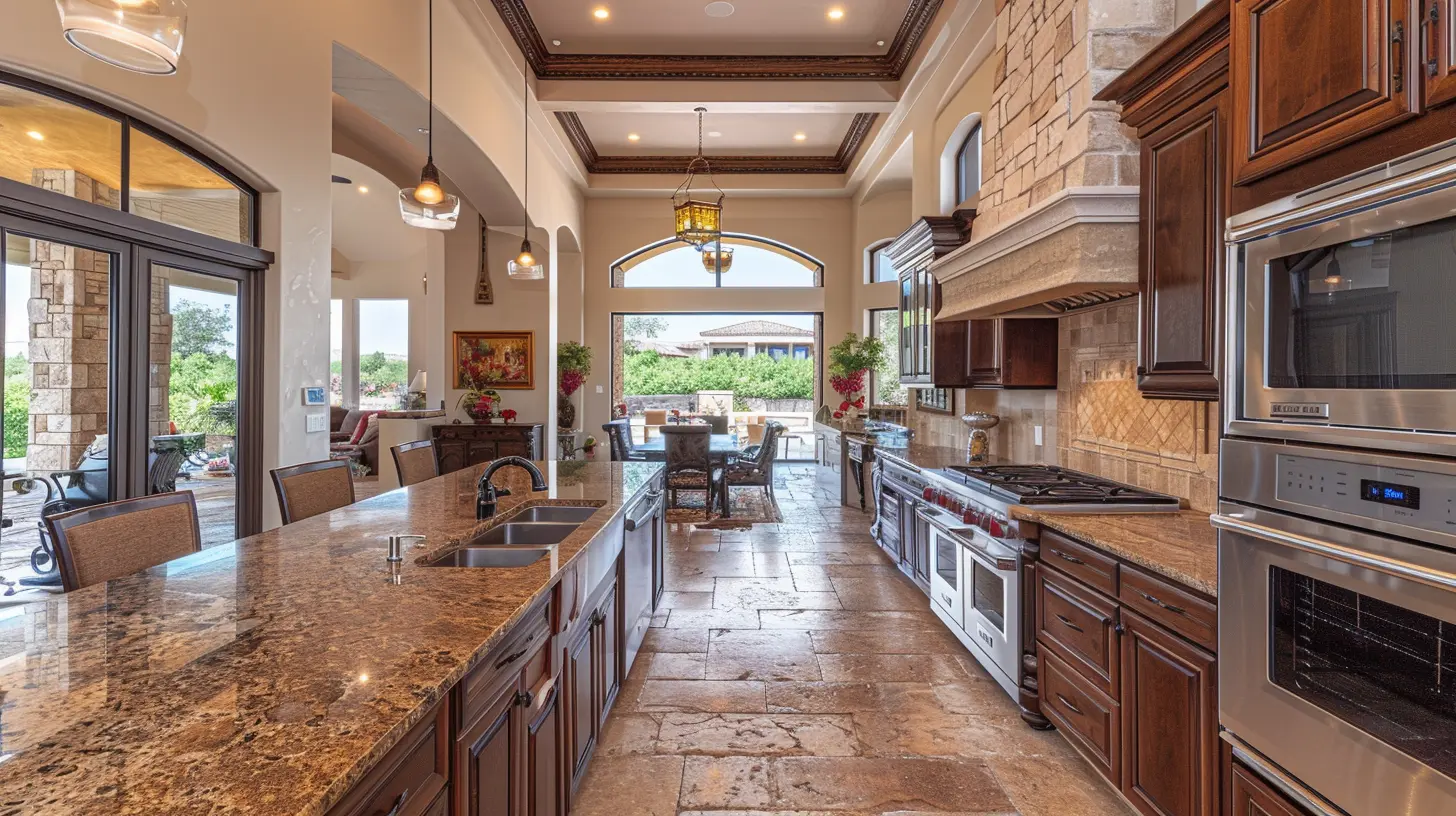
1. Lighting: Because No One Wants a Moody Kitchen
Ever walked into a dimly lit kitchen, and instead of picturing your morning coffee, you start thinking about a horror movie setting? Yeah, not ideal. Lighting is everything in real estate photography, and the kitchen deserves the best.Natural Light is Your Best Friend
If there’s a window, use it! Open those blinds and let sunlight do the hard work. Buyers love bright, airy kitchens, not dungeons where spaghetti sauce looks more like a crime scene.Supplement with Artificial Lighting
Kitchen lights can be tricky. Overhead lights cast weird shadows, and under-cabinet lighting can make things look like a spaceship. Use soft, balanced artificial lighting to enhance the space without making it look like an operating room.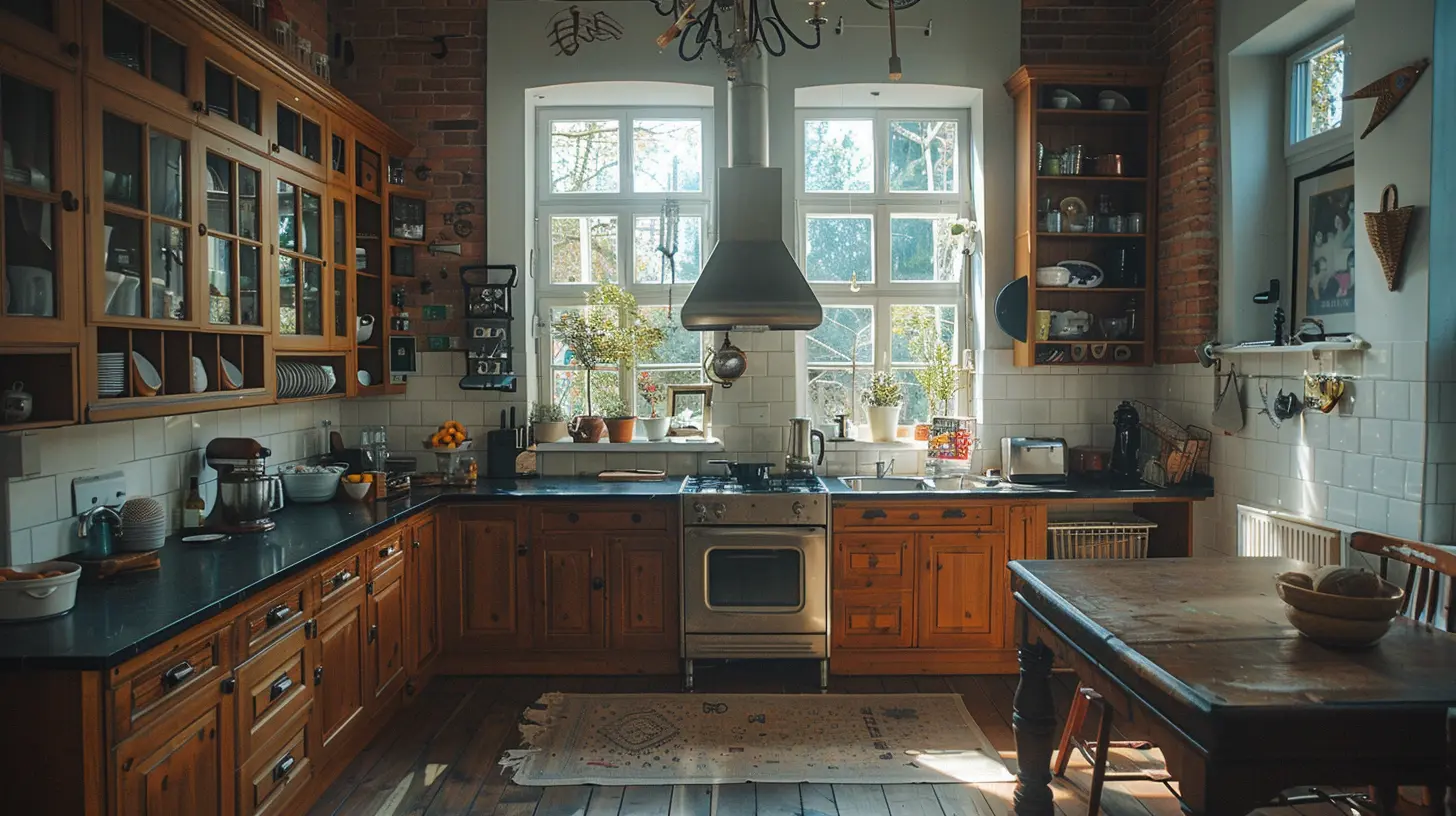
2. Composition: Frame It Like a Pro
Ever seen a listing with a kitchen photo that looks like it was taken by a toddler? Crooked angles, half a fridge, and a whole lot of floor? Don’t be that person.Use the Rule of Thirds
Divide your frame into nine equal parts. Line up countertops, cabinets, and appliances along these imaginary lines to create a visually appealing shot. It’s basic photography 101—but hey, it works.Shoot at Counter Height
Shooting from too high makes the kitchen shrink like it’s straight out of a dollhouse. Too low, and all you see is floor. The sweet spot? Around counter height—this keeps things proportional and realistic.Straighten Those Lines!
Nothing screams "amateur hour" like wonky, crooked lines. Use a tripod, and for the love of all things symmetrical, get those cabinets and countertops looking straight. If needed, a little post-editing can help fix any warpy disasters.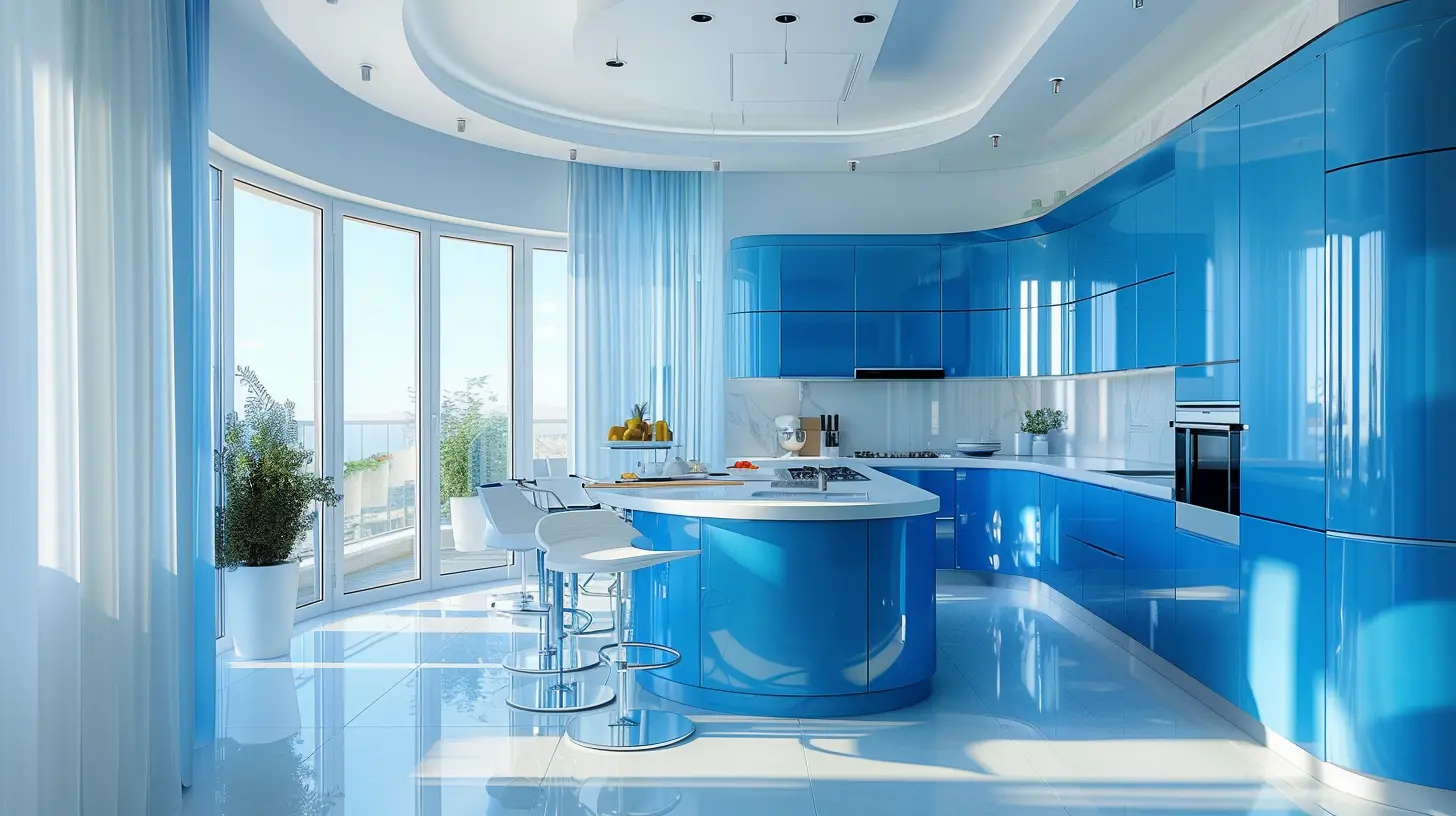
3. Declutter and Stage Like a Million-Dollar Listing
You’d be amazed at how much personality gets sucked out of a kitchen cluttered with mismatched Tupperware and last night’s pizza box.Remove Personal Items
Nobody wants to see your Aunt Susan’s fridge magnets or your cat-themed dish towels. Keep it neutral—think showroom kitchen, not lived-in chaos.Minimalist, but Not Empty
A completely empty kitchen looks sad and unloved. Add a bowl of fresh fruit, a cookbook casually opened to a fancy recipe, or a tasteful vase of flowers. The key? Simple, elegant, and non-distracting.Avoid Overstaging
If it looks like an influencer’s aesthetically staged Instagram photo, tone it down. The goal is to enhance, not overwhelm. A kitchen should look functional, not like Martha Stewart moved in with an entire film crew.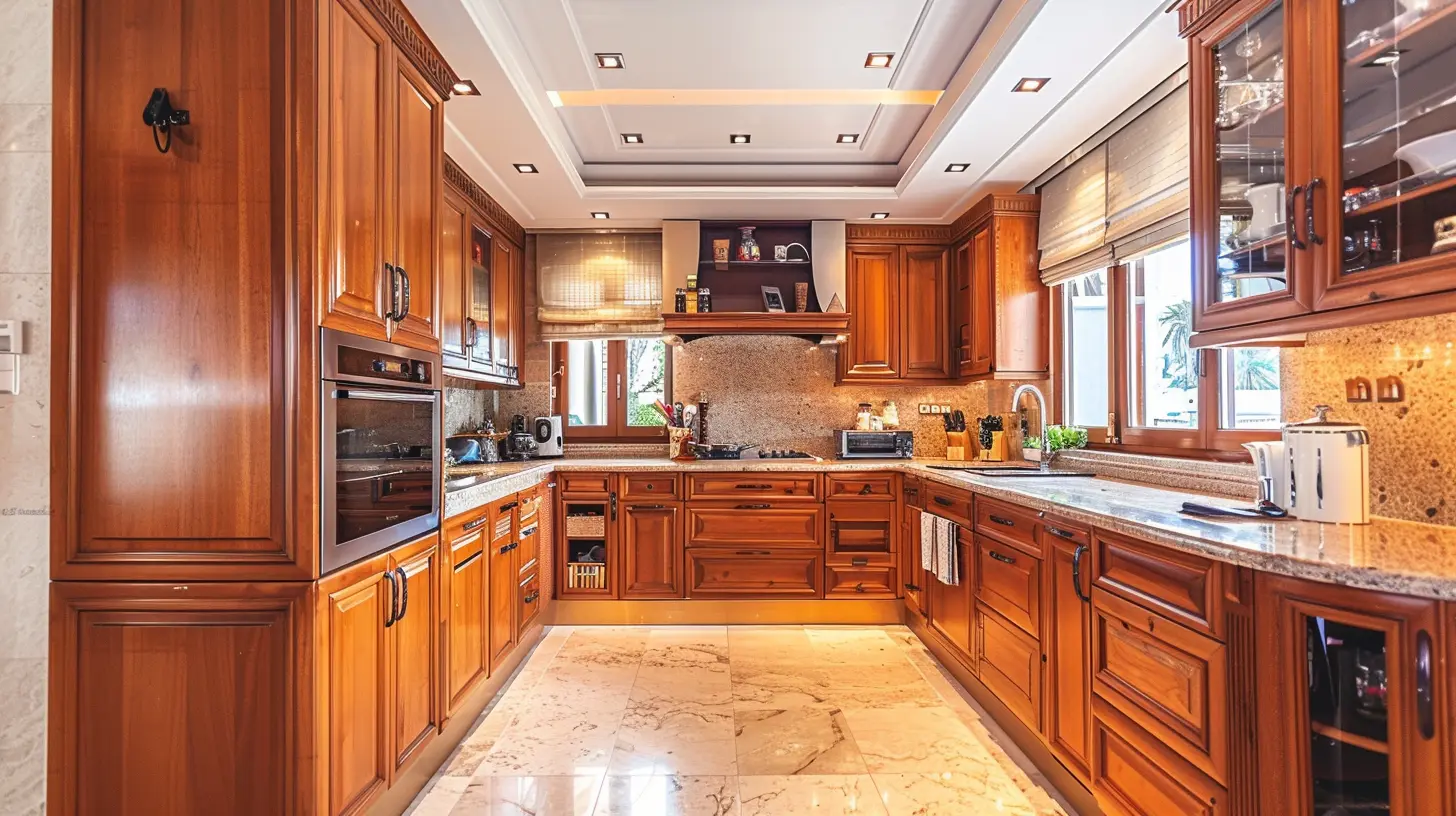
4. Angles Matter: Avoid the "Funhouse Effect"
Ever seen a kitchen photo where the cabinets look like they’re leaning forward or stretching into infinity? That’s the infamous funhouse effect, and it’s a buyer’s nightmare.Use a Wide-Angle Lens (But Don’t Go Crazy)
A wide-angle lens helps you capture more of the space, but too much distortion makes everything look off. Stick to 16mm-24mm for most kitchen shots—enough to showcase the space without turning it into a parallel universe.Shoot from the Corners
Get into a corner to capture more depth without distortion. If the kitchen is ultra-small, try stepping just outside the entrance and shooting inward for a more inviting perspective.Multiple Angles for Maximum Effect
One photo won’t cut it. Showcasing multiple angles helps buyers get a better feel of the layout. Mix wide shots with closer, detail-oriented images for a complete story.5. Post-Processing: Where Magic (and Fixes) Happen
No matter how good your shot is, post-processing helps elevate it from nice to magazine-worthy.Adjust Brightness and Contrast
Boost exposure to brighten the space and tweak contrast so whites look crisp and blacks don’t turn into muddy grays.Correct White Balance
Kitchens have various light sources, which can make colors go haywire. Adjust white balance to keep everything looking natural—nobody’s dreaming of a yellowish, sickly-looking kitchen.Remove Minor Imperfections
No, we’re not talking about photoshopping an entire island into existence. But removing crumbs, smudges, or small imperfections can clean up the shot without being misleading.6. Highlighting Details: Because Buyers Love the Little Things
Smart buyers don’t just look at a kitchen as a whole—they zoom in on details. And so should you.Focus on High-End Features
If a kitchen has marble countertops, a farmhouse sink, or a fancy backsplash, capture them! Close-up shots of these features add depth to your listing photos.Capture Appliances in Their Best Light
A stainless-steel fridge covered in smudges? Hard pass. Wipe everything down and make sure appliances look as pristine as possible.Showcase Functionality
If there’s a walk-in pantry, a coffee nook, or a built-in wine rack, make sure it gets its own moment. These are the selling points that make buyers fall in love.7. Common Kitchen Photography Mistakes to Avoid
Even with all the right techniques, it’s easy to mess up. So, let’s go over the biggest kitchen photography sins.Shooting with Messy Surfaces
Even the fanciest kitchen can look disastrous if there are dishes in the sink or crumbs on the counter. Cleanliness is key.Ignoring Reflections
Glass, stainless steel, and glossy countertops love to reflect things. And guess what? Sometimes, what they reflect is you. Check for awkward reflections before snapping the shot.Harsh Shadows and Overexposed Areas
Find a lighting balance. Overexpose, and you lose detail. Underexpose, and the kitchen looks dark and uninviting. Play around with settings until you get it just right.Final Thoughts: Mastering the Kitchen Shot Like a Pro
Capturing the perfect kitchen shot isn’t just about snapping a photo—it’s about telling a story. You want buyers to picture themselves laughing over Sunday brunch, making late-night snacks, and hosting family dinners (even if that just means reheating last night’s takeout).So, remember the fundamentals: light it well, compose it right, declutter, use the right angles, and polish it in post-processing. Do all that, and you’ve got yourself a kitchen shot that’ll have buyers running for their checkbooks.
Now, go forth and shoot some kitchens—but maybe leave the dirty dishes out of the frame, okay?
all images in this post were generated using AI tools
Category:
Real Estate PhotographyAuthor:

Vincent Clayton
Discussion
rate this article
2 comments
Logan Monroe
Capturing the essence of a kitchen goes beyond mere aesthetics; it’s about evoking the emotions tied to shared meals, family gatherings, and everyday moments. Using light, angles, and composition thoughtfully can transform a simple photograph into a narrative that invites potential buyers to imagine their lives within that space.
February 17, 2026 at 12:55 PM
Vincent Clayton
Absolutely! A kitchen’s true beauty lies in its ability to convey warmth and connection. Thoughtful use of light and composition can turn a simple image into a story that resonates with potential buyers.
Kassandra McCord
Capturing the perfect kitchen shot is all about lighting and angles. Utilize natural light, avoid clutter, and shoot from a corner for depth. Highlight unique features and ensure the space is clean. Remember, a great kitchen photo can sell a home!
February 7, 2026 at 6:08 AM
Vincent Clayton
Thank you for the insightful tips! Lighting and angles truly make a difference in capturing a kitchen's best features.