How Rising Home Prices Could Affect Renters in 2027
22 April 2026
As we look ahead to 2027, the real estate market is already buzzing with speculation about what rising home prices could mean for renters. If you’re renting right now or thinking about becoming a tenant in the near future, you might want to pay close attention. The dynamics of the housing market are changing, and those changes could have serious implications for your wallet.
The Current State of the Housing Market
Before we dive into the future, let’s take a quick snapshot of where we stand today. In recent years, home prices have skyrocketed due to a mix of low-interest rates, limited housing supply, and increased demand. This trend has led to a competitive market where many potential homebuyers are squeezed out, forcing them to remain renters.But what happens when home prices continue to rise? Will renters be left out in the cold, or will they find a way to adapt?
The Ripple Effect of Rising Home Prices
Increased Demand for Rentals
As home prices rise, more people will opt to rent rather than buy. This increased demand for rental properties can lead to higher rents. Think of it like a game of musical chairs—when the number of players increases but the chairs (or homes) remain the same, someone is bound to be left standing.Higher Rental Prices
With more people looking to rent, landlords may feel emboldened to raise their rental prices. This is especially true in urban areas where housing is already in high demand. If you've ever tried to find an affordable apartment in a bustling city, you know the struggle is real. As competition heats up, renters may find themselves paying a premium just to secure a roof over their heads.The Impact on Rental Supply
As home prices climb, some property owners might decide to cash in on their investments by selling rather than renting. This could lead to a decrease in available rental properties, further driving up prices. It’s a classic case of supply and demand—when supply dwindles, prices typically rise.Gentrification and Its Effects
In many urban areas, rising home prices can lead to gentrification. This process often displaces long-time residents as wealthier individuals move in, driving up property values and rents. If you’re a renter in a gentrifying neighborhood, you might find yourself priced out of your home, forced to move further away from your job or social circle.
The Financial Strain on Renters
Budgeting Challenges
With rising rents, many renters will face budgeting challenges. If your rent increases significantly, you may have to allocate more of your income to housing costs, leaving less for other essentials like food, transportation, and savings. This can create a precarious financial situation, especially for those already living paycheck to paycheck.The Risk of Overextending
Some renters may feel pressured to overextend themselves financially to secure a desirable rental. This could mean taking on a roommate or two, or even moving into a smaller space than they’d prefer. While these options might provide temporary relief, they can also lead to long-term dissatisfaction and instability.The Burden of Rent Increases
Imagine waking up one day to find that your rent has increased by 10%—a hefty sum that can upend your financial plans. For many renters, this is not just an inconvenience; it’s a crisis. If landlords continue to raise rents in response to rising home prices, renters may have to make tough choices about where to live and how to spend their money.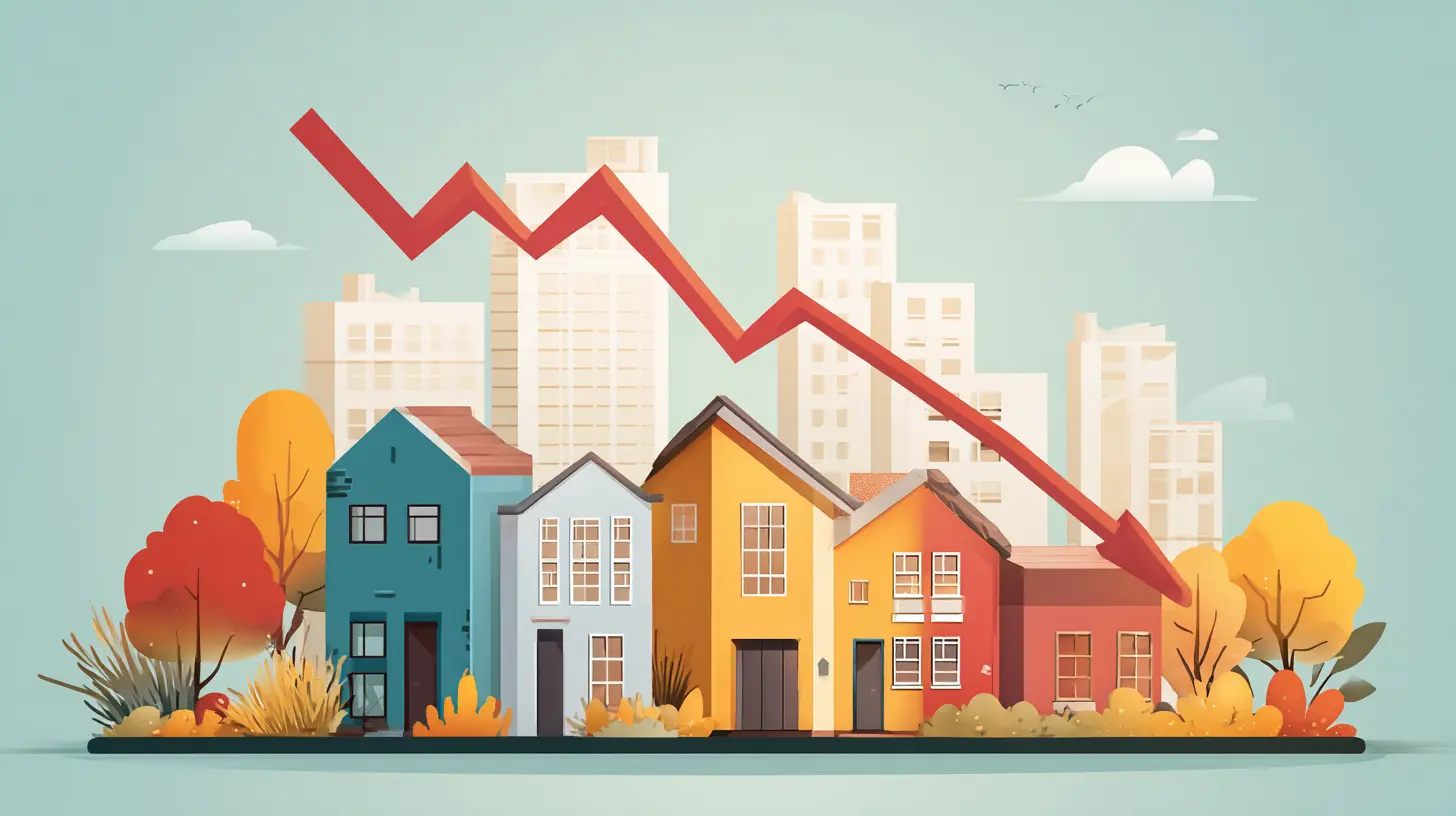
The Shift in Rental Market Trends
Longer Lease Terms
As renters seek stability in an unpredictable market, we may see a trend toward longer lease terms. This could provide some security against sudden rent increases, allowing renters to lock in their rates for an extended period. However, this also means that renters may miss out on better opportunities if they’re tied down to a long-term lease.Increased Popularity of Subletting
As the rental market becomes more competitive, subletting could become a popular option. Renters may choose to sublet their apartments during periods of travel or relocation, providing a way to offset rising costs. However, this can come with its own set of challenges, including legal restrictions and the potential for conflict with landlords.The Rise of Alternative Housing Options
With traditional rentals becoming more expensive, some renters might explore alternative housing options, such as co-living spaces or tiny homes. These options can provide a more affordable solution while also fostering a sense of community. However, they may not be suitable for everyone, and finding the right fit can take time and effort.The Role of Government and Policy
Affordable Housing Initiatives
As rising home prices put pressure on renters, government officials may need to step in to address the issue. Affordable housing initiatives could become more prevalent, aimed at providing options for low- and middle-income renters. This could include subsidies, tax incentives for landlords, or the construction of new affordable housing units.Rent Control Measures
In response to skyrocketing rents, some cities may consider implementing rent control measures. While these policies can protect tenants from sudden increases, they can also discourage landlords from maintaining properties or investing in new developments. It’s a delicate balance that requires careful consideration.Zoning Changes
To combat the housing crisis, local governments might consider zoning changes that allow for higher-density housing. This could lead to the construction of more apartments and multi-family units, which could help alleviate the pressure on the rental market. However, these changes can also face pushback from residents who fear that increased density will alter the character of their neighborhoods.
The Social Implications of Rising Rents
Community Displacement
As rents rise and gentrification takes hold, communities may face significant changes. Long-time residents could be displaced, leading to a loss of cultural identity and community ties. This can create tension between new and existing residents, as differing values and lifestyles clash.Increased Homelessness
Rising rents can also contribute to an increase in homelessness. If individuals and families can no longer afford their homes, they may find themselves living on the streets or in shelters. This issue is multifaceted and requires coordinated efforts from government agencies, non-profits, and community organizations to address effectively.Shifting Demographics
As the rental market evolves, we may see shifts in demographics as well. Younger generations may be more inclined to rent rather than buy, leading to a greater concentration of renters in urban areas. This could change the way cities are designed and how they function, impacting everything from transportation to public services.Preparing for the Future
Financial Planning
For renters, it’s crucial to start planning for the future now. This could mean creating a budget that accounts for potential rent increases, setting aside an emergency fund, or even considering alternative housing options. Being proactive can help you navigate the unpredictable waters of the rental market.Understanding Your Rights
Familiarize yourself with your rights as a renter. Knowing what protections are in place can empower you to advocate for yourself and your community. Whether it’s understanding local rent control laws or knowing how to report unsafe living conditions, being informed is key.Building Community Connections
Connecting with neighbors and local organizations can provide a support network that’s invaluable in a changing rental landscape. Whether it’s joining a tenant’s association or participating in community events, building relationships can help foster a sense of belonging and resilience.
Conclusion
As we move toward 2027, the implications of rising home prices on renters are vast and complex. While the challenges may seem daunting, understanding the landscape can empower renters to make informed decisions. Whether it’s budgeting for rising rents, exploring alternative housing options, or advocating for policy changes, there are steps that can be taken to mitigate the impact of an evolving rental market.The future of renting may be uncertain, but one thing is clear: staying informed and engaged is essential. So, as you look ahead, consider how you can prepare for the changes that lie ahead. After all, a little foresight can go a long way in ensuring that you’re not left out in the cold.
all images in this post were generated using AI tools
Category:
Rising Home PricesAuthor:

Vincent Clayton
Discussion
rate this article
2 comments
Sophia McClendon
Oh, great! Just what renters need—an even tighter budget in 2027. Who doesn’t love the thrill of bidding wars and living in a shoebox? Can't wait to see how cozy those cardboard walls will be!
April 27, 2026 at 4:21 AM
Vincent Clayton
I get your frustration. The current trends do make it tough for renters, and it's hard to see a bright side. Let's hope for some positive changes ahead.
Soren McIntyre
This article raises intriguing points! I'm curious to see how rising home prices will shape rental markets in 2027. Will affordability drive innovation in housing solutions? Let's explore the possibilities together!
April 22, 2026 at 2:57 AM
Vincent Clayton
Thanks for your thoughts! It'll be interesting to see how innovation responds to affordability pressures. Excited to dive into those possibilities!