How Natural Disasters Can Influence Property Tax Liability
15 October 2025
Natural disasters can be devastating, not just emotionally and physically but financially as well. If you've ever experienced a hurricane, wildfire, earthquake, or flood, you understand the massive impact these events can have on your home and community. But did you know that such disasters can also influence your property tax liability?
Yes, that’s right! When the unexpected strikes, it can significantly affect how much you owe in property taxes. Whether your home is damaged or completely lost, the aftermath may bring changes to your tax bill—some good, some bad. Let’s dive into how natural disasters impact property taxes and what you can do about it. 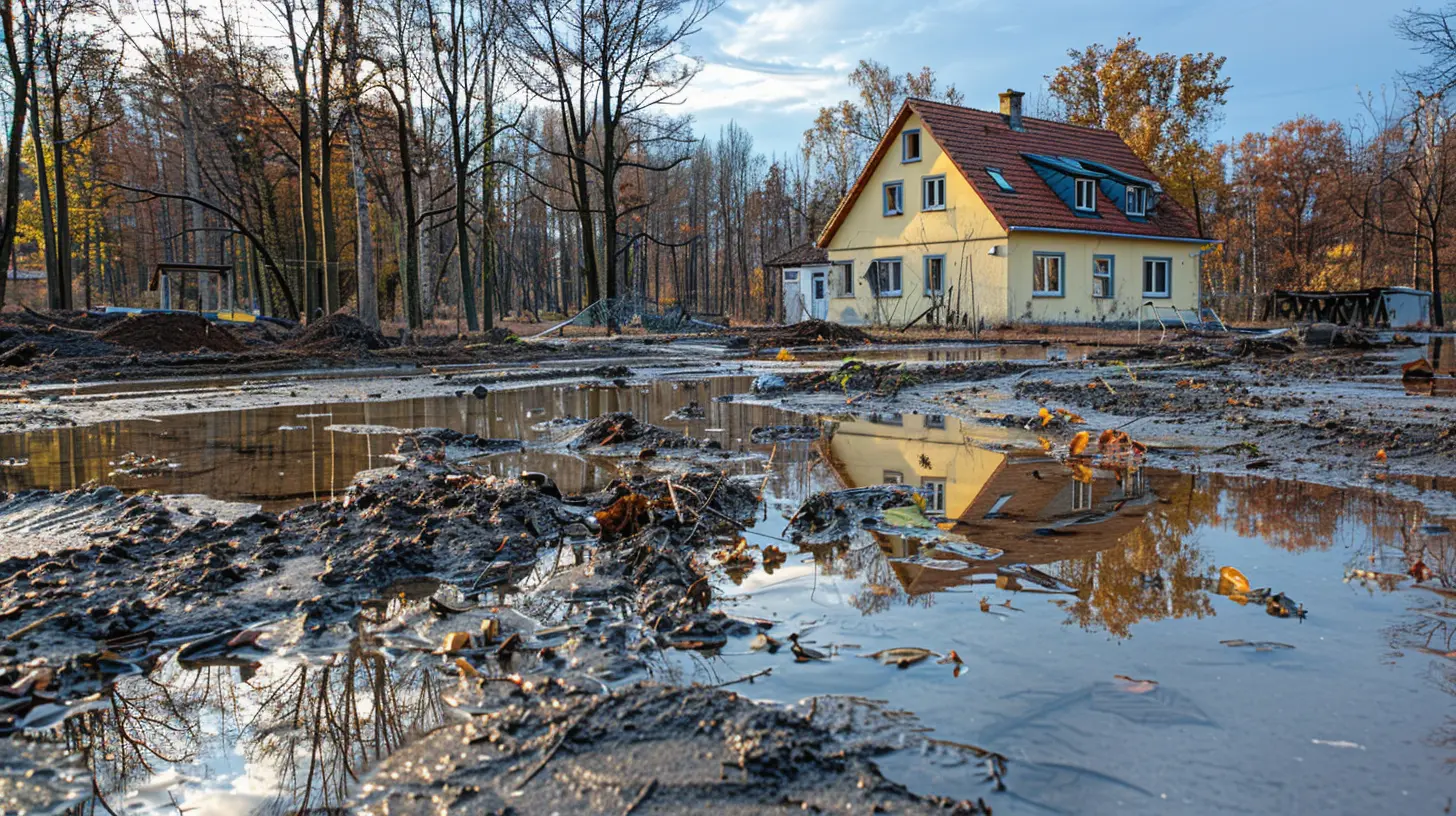
Understanding Property Tax Liability
Before we jump into the effects of natural disasters, let’s break down property taxes in simple terms.Property taxes are assessed based on the value of real estate. Local governments use these taxes to fund public services like schools, roads, and emergency responders. Typically, the higher your property's value, the more tax you pay.
The problem? When disaster strikes and destroys homes, property values can nosedive—or sometimes even rise in strange ways. And that’s where things get complicated. 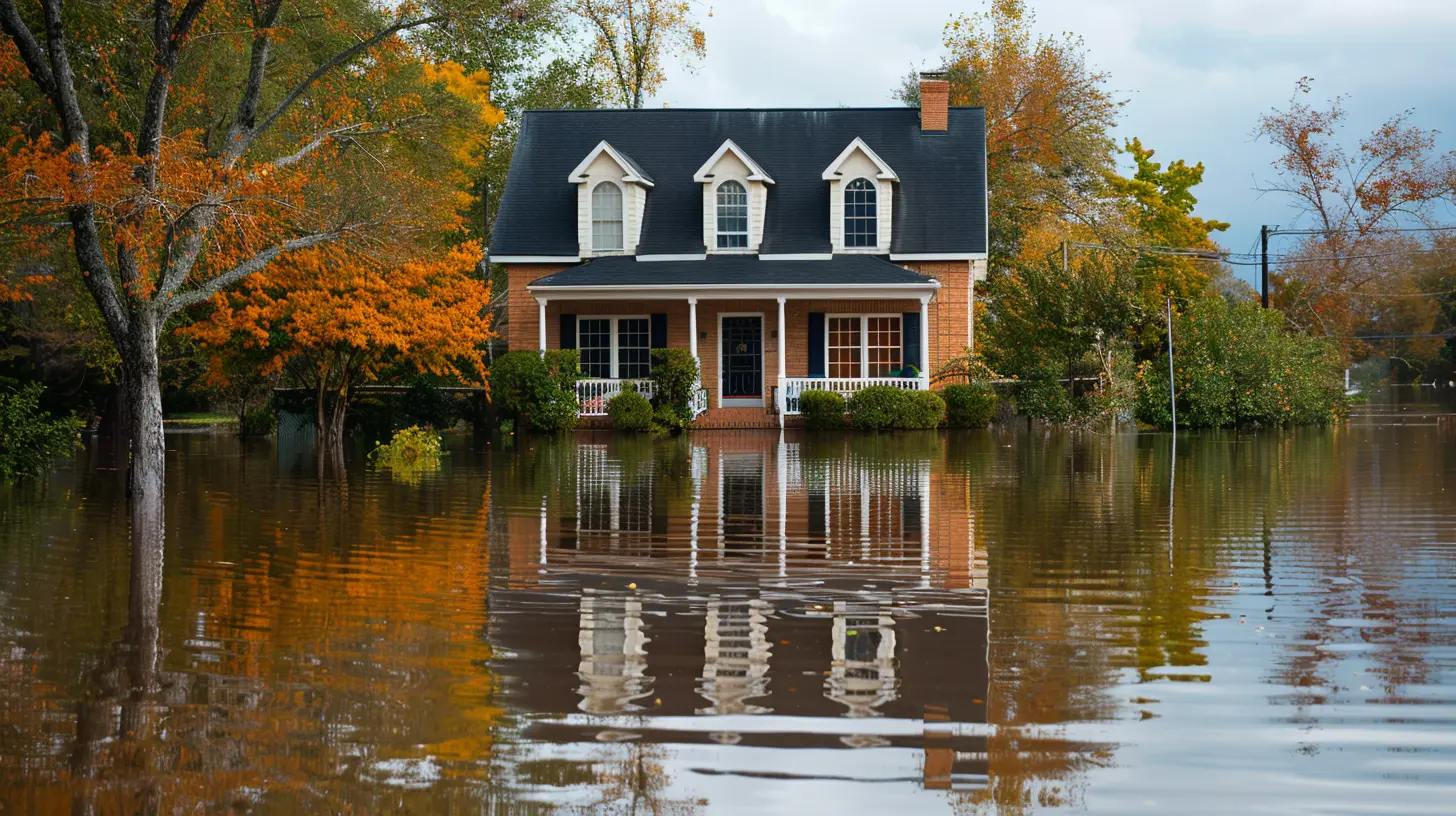
How Natural Disasters Impact Property Values
Natural disasters can affect property values in two primary ways:1. Property Damage Lowers Value
If a fire, flood, or hurricane wrecks your home, its market value naturally decreases. After all, a house with a missing roof or waterlogged foundation won’t be worth as much as a fully intact home.In most cases, when property values drop, property tax liability should also decrease. Why? Because assessors base taxes on the current market value of the property. If the value goes down, your tax bill should follow.
2. Increased Demand Can Raise Property Values
Surprisingly, in some cases, property values might actually increase. How?- Rebuilding Efforts – If a natural disaster wipes out an entire neighborhood, the real estate market may tighten. Fewer homes available could drive up prices for remaining properties.
- Government Investment – Federal and state governments often invest in rebuilding efforts, improving infrastructure, and making housing more resilient, which could increase property values in certain areas.
The result? Even if disaster survivors expected relief, they might end up paying higher property taxes due to increased demand for housing in the area. 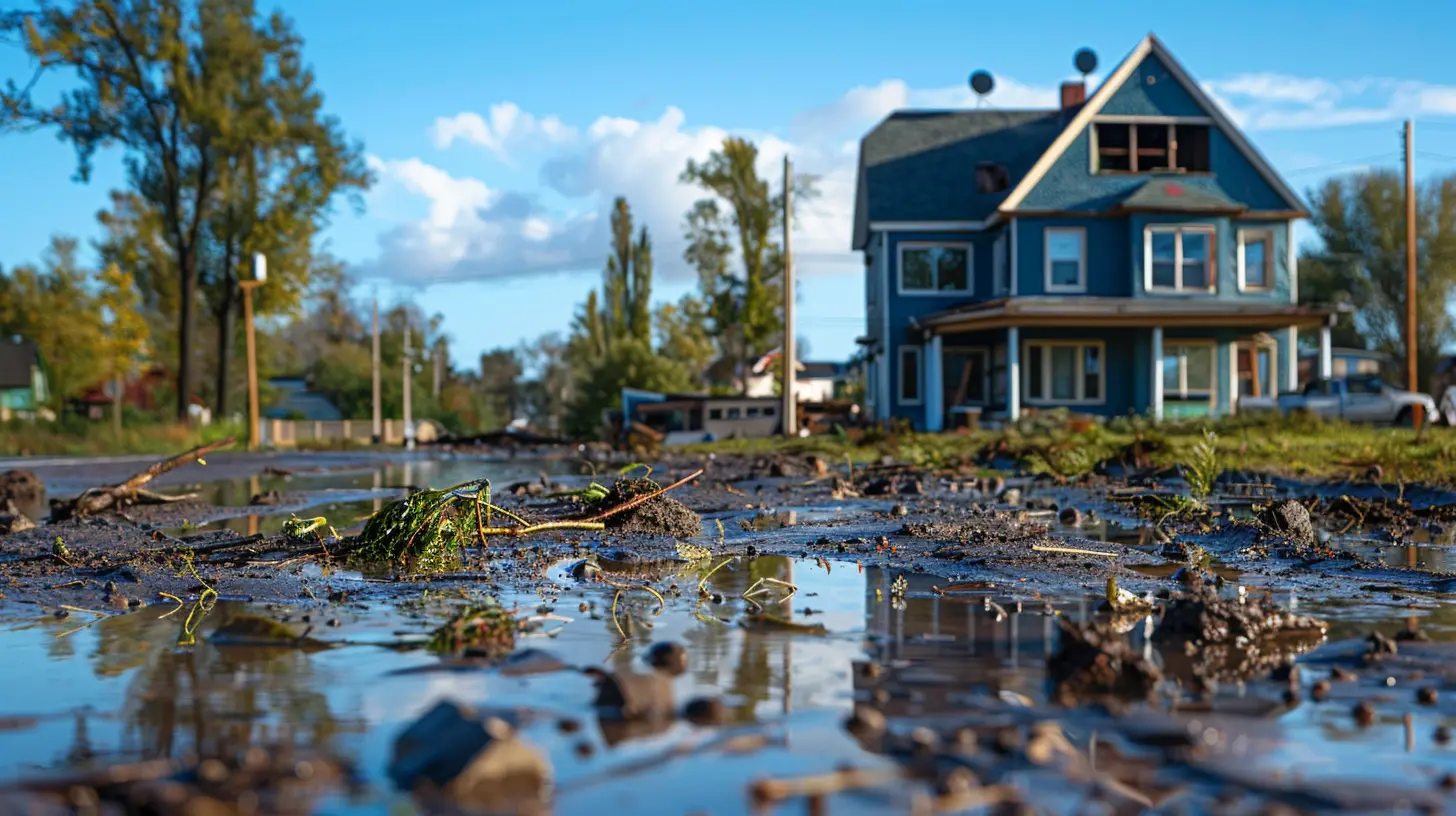
Property Tax Relief After a Natural Disaster
So, what happens if a natural disaster destroys your home? Are you still responsible for the original property tax bill?The good news is that many local governments offer property tax relief programs for homeowners affected by natural disasters. Here’s what you need to know:
1. Temporary Reassessments
Some areas allow for temporary reassessments of property value after a disaster. If your home is damaged, you can apply for a reassessment, which could lower your tax bill until repairs or rebuilding are complete.2. Tax Deferrals
Certain jurisdictions let homeowners defer their property tax payments following a catastrophe, giving them more time to recover financially before taxes come due.3. Exemptions & Reductions
Some states offer full or partial tax exemptions for homeowners dealing with disaster-related damage. This could mean a significant reduction or even complete elimination of your property tax burden while you rebuild.4. Special Disaster Legislation
In the wake of major disasters, local or state governments sometimes pass emergency tax relief laws to assist affected homeowners. These can include one-time deductions or extended deadlines for tax payments.If you’ve experienced a disaster, check with your county tax office to see what relief options are available in your area—you might be eligible for significant savings. 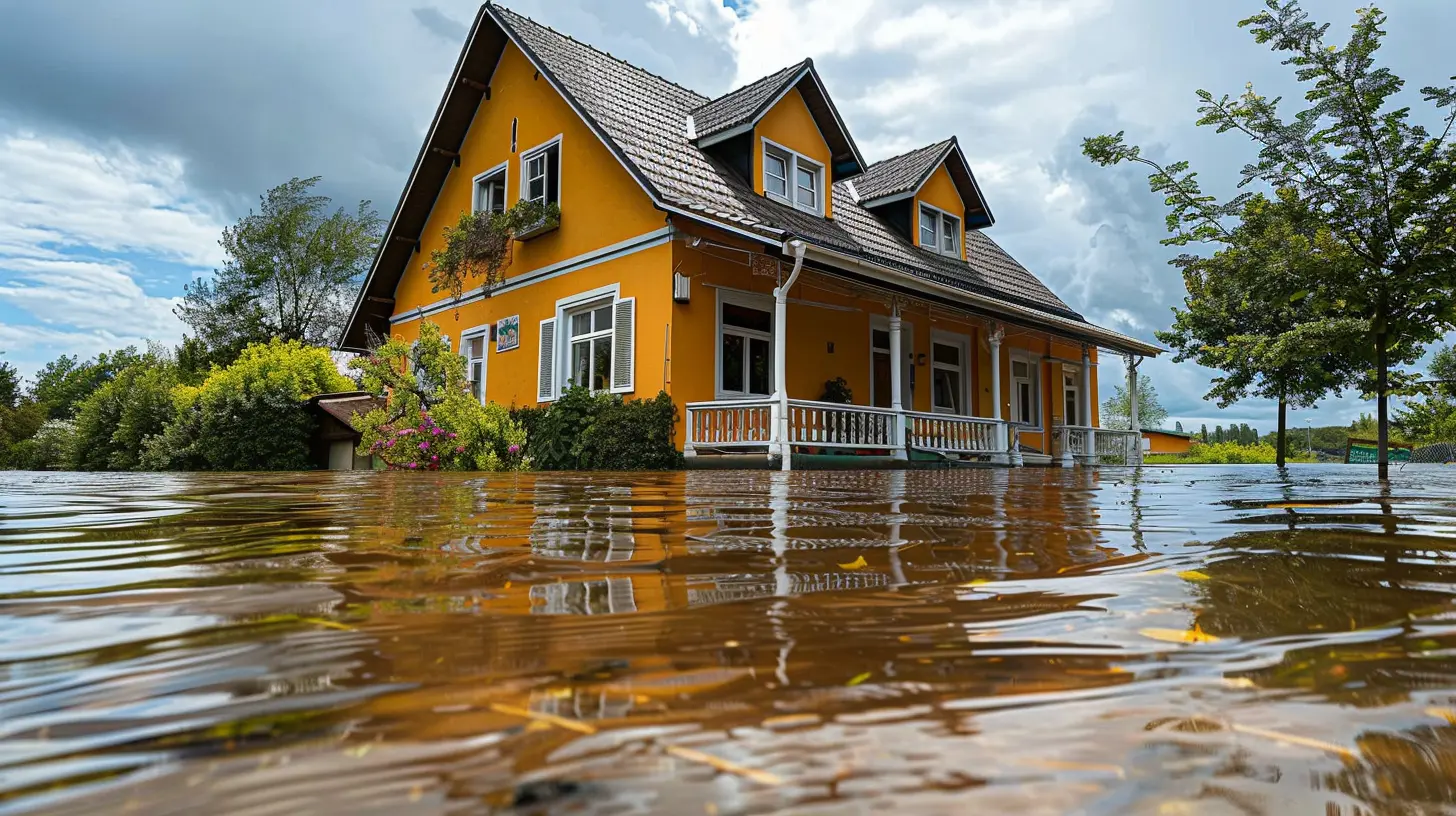
How to Apply for Property Tax Relief
If your home was damaged by a natural disaster, here’s how you can request a reduction in property tax liability:1. Document Everything – Take photos and videos of the damage, keep receipts for repairs, and gather any reports from insurance adjusters or disaster relief agencies.
2. Contact Your Local Tax Assessor – Notify them about the damage and request information on tax relief programs.
3. Submit a Reassessment Request – Many counties allow homeowners to apply for a temporary reduction in property assessment due to disaster damage.
4. Meet Deadlines – Each area has different rules regarding how soon you must file for property tax relief. Check your local government’s website for deadlines.
5. Continue Monitoring Your Assessment – Once your home is repaired, make sure the property is reassessed properly so you're not overpaying.
Long-Term Tax Implications of Natural Disasters
While immediate relief might be available, the long-term effects of natural disasters on property taxes can vary. Let’s look at some of the possible outcomes:1. Neighborhood Property Values May Not Recover
In some cases, home prices may take years to rebound, or they may never fully recover. This can affect your property tax liability long-term, keeping it lower than pre-disaster levels.2. Insurance & Rebuilding Can Lead to Higher Assessments
If homeowners rebuild using insurance money or government grants, new assessments could reflect higher values—meaning increased property taxes, even for homes that previously sustained damage.3. Future Tax Increases from Disaster Preparedness Investments
Cities often invest in better infrastructure and emergency response systems after disasters. While this improves safety, it can lead to higher property tax rates in the future to fund these projects.What Homeowners Can Do to Prepare
While you can’t stop natural disasters, you can take steps to minimize their financial impact on your property taxes.1. Keep Insurance Up to Date
Having adequate homeowner’s insurance, including flood and disaster coverage, can help cover rebuilding costs and reduce financial stress.2. Stay Informed About Local Tax Policies
Know how your local government handles property tax adjustments in the wake of disasters. Having this knowledge before disaster strikes can help you act quickly if needed.3. Appeal Assessments When Necessary
If you believe your home’s post-disaster tax assessment is too high, don’t be afraid to challenge it. Many homeowners successfully lower their assessments by providing evidence of damage.4. Consider Disaster-Resilient Home Improvements
Upgrading your home to withstand natural disasters—like installing storm shutters or reinforcing foundations—can not only protect your property but may also qualify you for tax incentives or lower insurance rates.Final Thoughts
Natural disasters don’t just leave physical destruction in their wake—they can also shake up property tax liabilities in ways homeowners might not expect. While property taxes often decrease with property damage, unexpected factors like demand and rebuilding efforts can sometimes lead to higher assessments instead.The key is to stay informed, document damages, and take advantage of tax relief programs to ensure you’re not paying more than you should. By understanding how natural disasters influence property tax liability, you can make smarter financial decisions and protect your home’s value in the long run.
If disaster ever strikes, remember—you’re not alone. Many relief programs exist to help homeowners recover, both physically and financially. Stay prepared, stay strong, and take control of your property tax situation.
all images in this post were generated using AI tools
Category:
Property Tax GuideAuthor:

Vincent Clayton
Discussion
rate this article
1 comments
Astralis Kirkland
Insightful perspective on property taxes!
October 19, 2025 at 3:01 AM
Vincent Clayton
Thank you! I'm glad you found the perspective valuable.