How a Buyer’s Market Impacts Home Renovation Decisions
30 May 2026
When the real estate world flips into a buyer’s market, it doesn't just affect how quickly you sell your home or how much it’s worth—it can also seriously influence your renovation game plan. Whether you’re a homeowner thinking about upgrades or someone prepping to sell, understanding how a buyer’s market shapes renovation decisions is a total game-changer.
Let’s dig into why this market shift matters, how it affects renovation strategies, and what smart homeowners should do to stay ahead of the curve.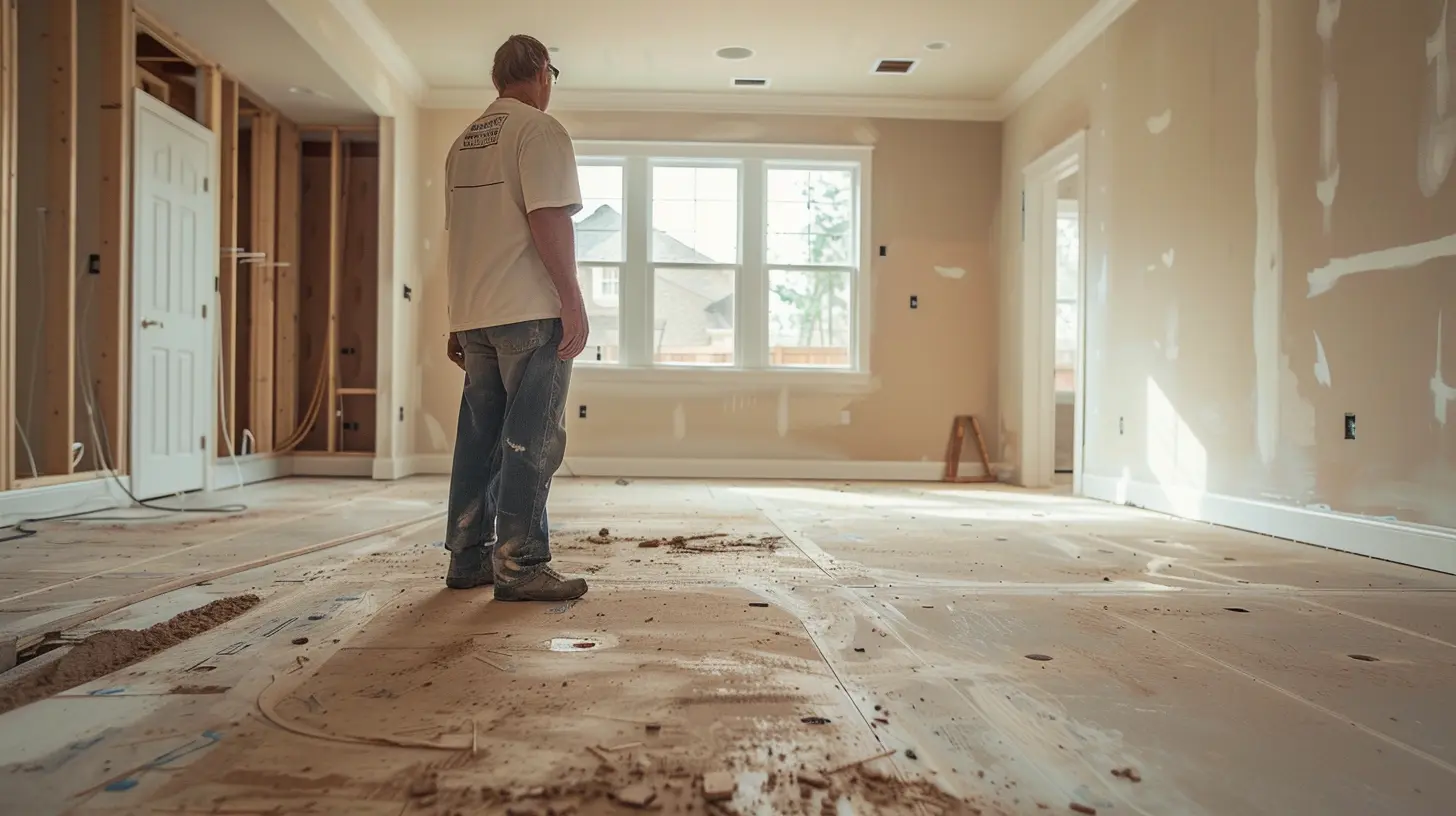
What Exactly Is a Buyer’s Market?
Before we start slicing the renovation pie, let's get on the same page about what a buyer’s market really is.A buyer’s market happens when there are more homes for sale than there are buyers. It means buyers are holding the cards—they’ve got options, more negotiating power, and less pressure to make snap decisions.
Think of it as a buffet: if you're hungry and there are endless choices, you’re not going to settle for the soggy salad when you can have steak and lobster. That’s exactly how buyers feel when there’s an overload of homes available.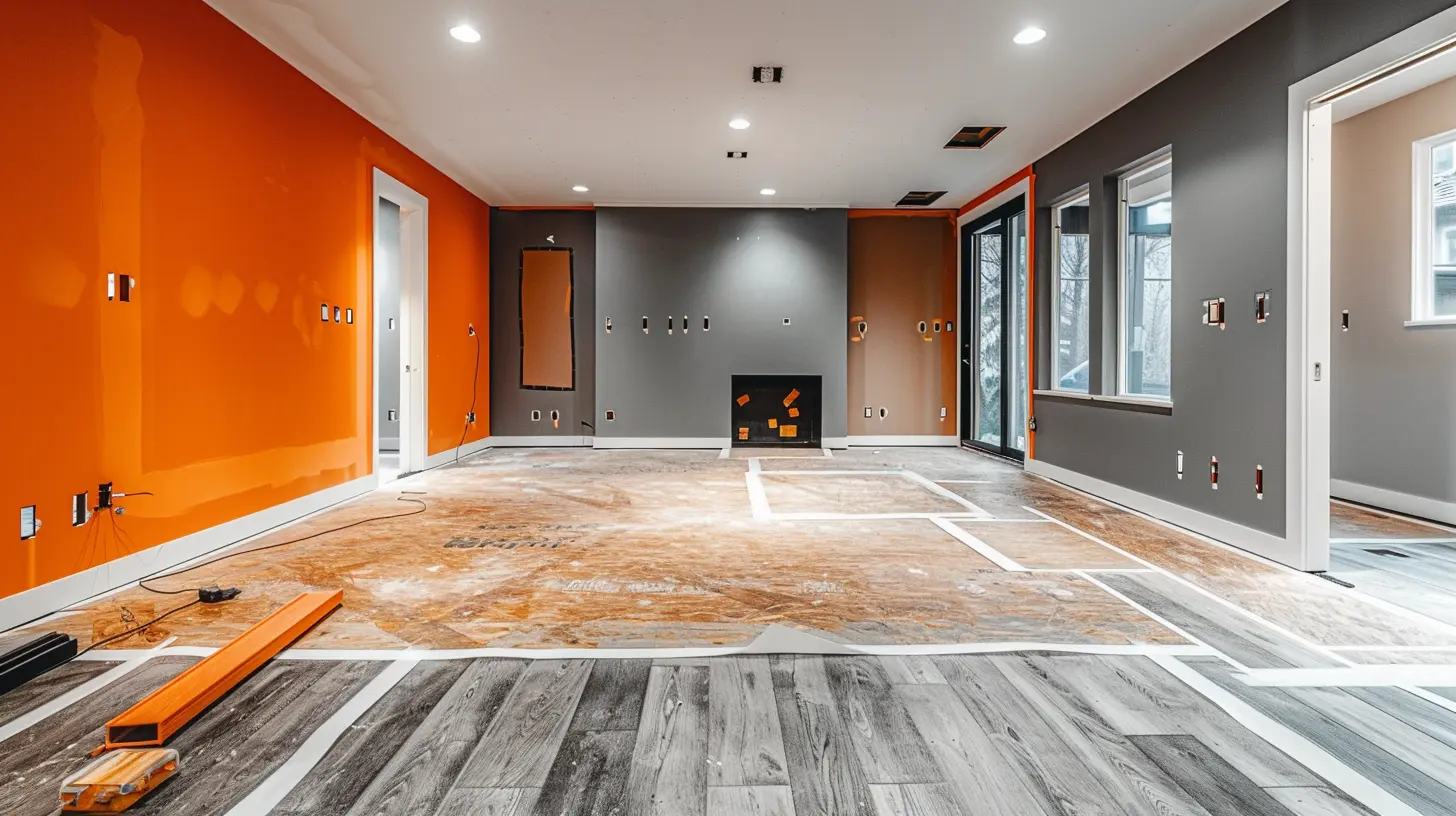
Renovating Smartly in a Buyer’s Market
Here’s where the rubber meets the road. With buyers calling the shots, sellers need to think differently. If you're considering renovating, your strategy has to be aligned with what buyers want—not just what looks pretty or what boosts your own comfort.1. Focus on ROI (Return on Investment)
In a buyer’s market, you don't have the luxury of over-improving. Sure, that spa-like bathroom or high-end kitchen might be your dream, but will it pay off at sale time?Buyers are pickier and have more options—they’re not going to shell out extra for upgrades they don’t personally value.
What should you do?
Stick to renovations that are known to add value and have broad appeal:
- Minor kitchen remodels
- Updated bathrooms
- Energy-efficient windows
- New flooring
- Fresh paint
You want to spend wisely and get the most bang for your buck. Think functional over flashy.
2. Curb Appeal Still Reigns
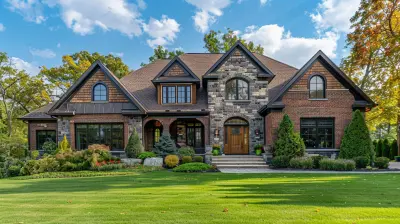
First impressions matter—big time. In a buyer’s market, they matter even more.When buyers have 10 other options, your home’s exterior needs to scream "Buy me now!" before they even step inside.
Simple updates to boost curb appeal:
- Landscaping touch-ups
- New front door or updated hardware
- Power-washing siding and walkways
- Modern light fixtures outside
These are low-cost projects that can make your home stand out from the crowd—kind of like putting on your best outfit for a job interview.
3. Think Neutral, Not Personal
This isn't the time for bold colors or high-drama design.In a competitive market, buyers are more attracted to spaces they can personalize. So, while you might adore your deep purple accent wall, it could be a turn-off to others.
Stick to:
- Neutral wall colors
- Timeless tile choices
- Classic fixtures
Basically, go for a blank canvas vibe so potential buyers can imagine their own lives (and furniture) in the space.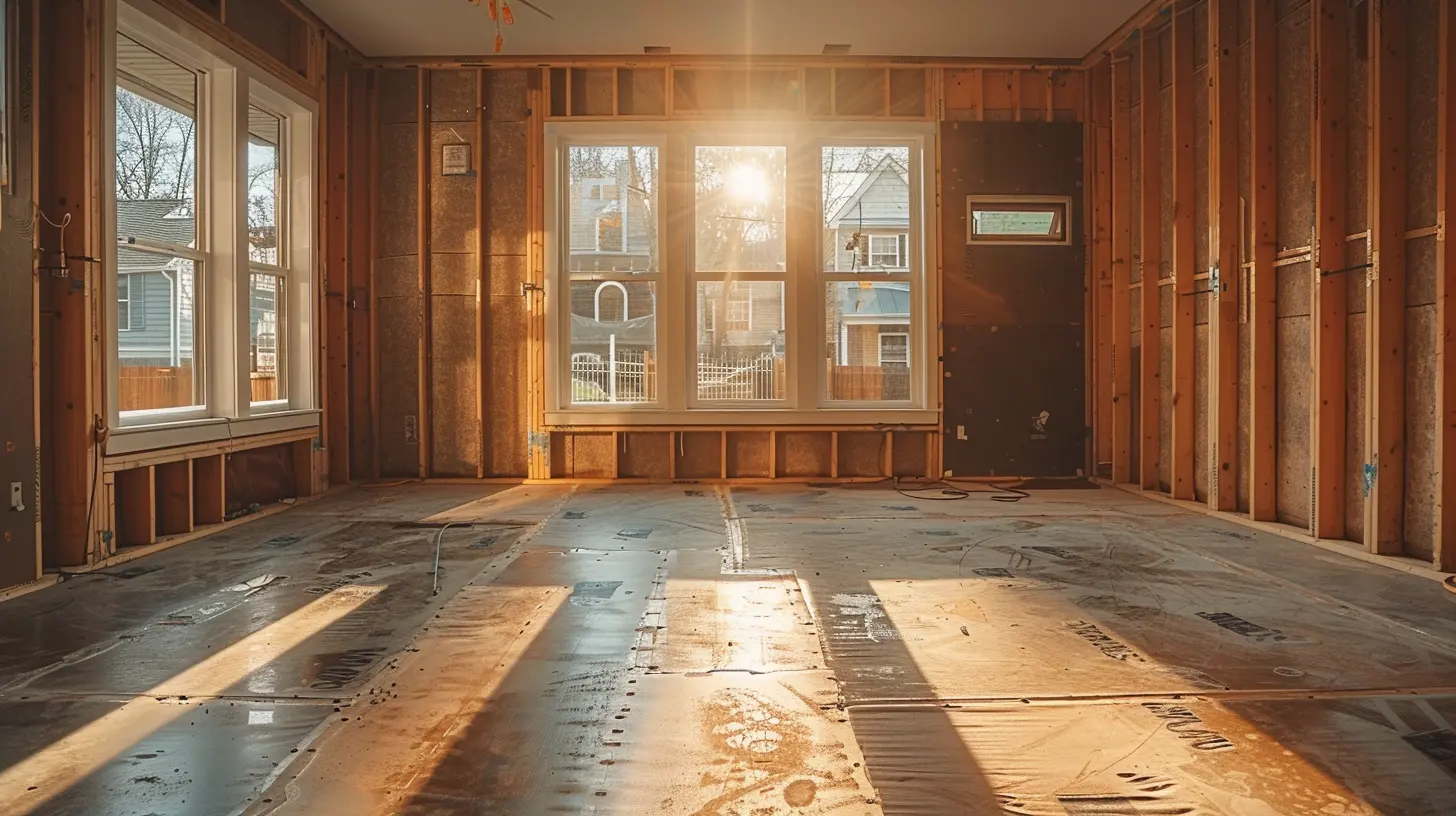
Timing Is Everything
In a strong seller’s market, renovations can be fast and furious because homes are flying off the shelves. But in a buyer’s market, you’ve got a little more time to be thoughtful.4. Plan Renovations Based on Market Trends
Before you even pick up a hammer, take a good look at your local market.Ask yourself:
- Are homes similar to mine selling quickly?
- What features do buyers seem to value most?
- Are there upgrades common in comparable homes that mine lacks?
Doing a little recon on what’s selling in your neighborhood gives you a blueprint for your own renovation decisions. Why waste money on a sunroom addition if buyers are raving about updated kitchens?
5. Don’t Over-Renovate for the Neighborhood
Here's a risky move: pouring $80,000 into a home in a neighborhood where the average sale price won’t support it.Buyers in a buyer’s market have excellent access to pricing comparisons. If your home is priced way above the rest, you might sit on the market while others move.
It's smart to match your home's condition and features with the general standard in your area. Improve it—yes—but don’t turn it into a luxury mansion on a street of starter homes.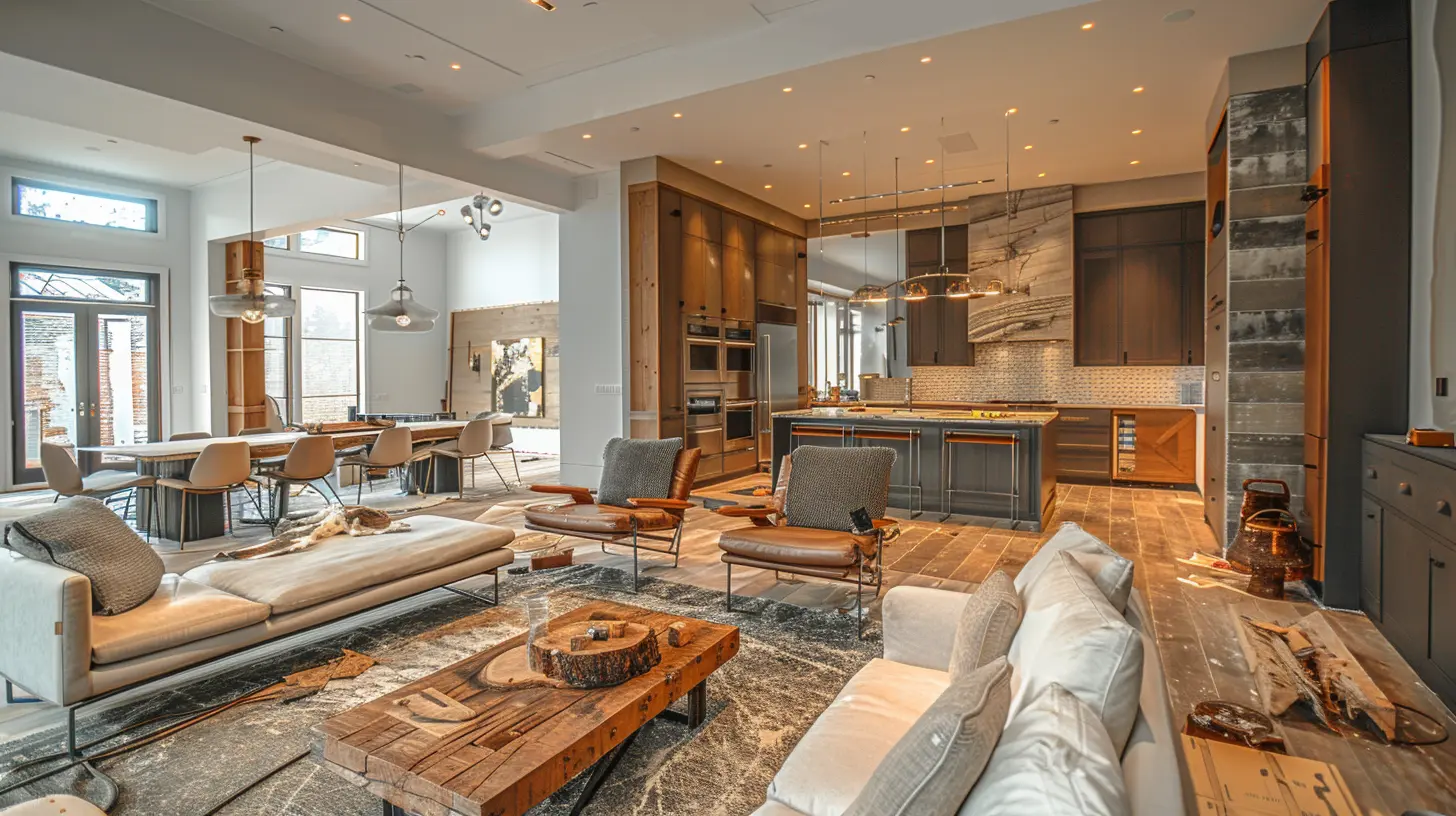
The Psychology of Buyers in a Buyer’s Market
Understanding what’s going on in buyers' heads can help you make better renovation choices.In a buyer’s market, buyers are cautious. They’re less emotional, more logical. They know they can ask for concessions—or walk away.
6. Skip the Fancy, Go for Practical
Let’s be honest: buyers in this kind of market love upgrades, but they aren’t necessarily going to pay top dollar for ultra-luxury features.Practical renovations win:
- Updated HVAC systems
- New roofing
- Energy-efficient appliances
- Solid insulation
These things might not be Instagram-worthy, but they ease buyer concerns. And that peace of mind could tip the scales in your favor when it’s time to pick an offer.
7. Highlight Move-In Ready Features
If your home is move-in ready, say it loud and proud!Buyers are juggling mortgages, financing, moving plans—you get the idea. The last thing they want is to take on fixer-upper projects unless they’re getting a deep discount.
Your renovations should aim to minimize the buyer’s to-do list.
That could mean:
- Fixing the leaky faucet
- Replacing stained carpet
- Upgrading old appliances
Essentially, you're removing all the tiny red flags that could make your home seem like more work than it’s worth.
Budgeting Your Renovation in a Buyer’s Market
Now let’s talk dollars and sense.8. Set a Firm Budget—and Stick to It
Renovations can trigger a bit of a spending avalanche. Start with cabinets and suddenly you’re redoing the floors, lighting, and countertops too.Have a budget, and know your limit.
Ask yourself:
- What’s my end goal?
- Am I renovating to sell or stay?
- What’s the current value of my home?
- How much will these upgrades realistically add to a future sale?
Knowing your "why" helps you keep things under control and avoid a money pit situation.
9. DIY Where It Makes Sense
In a cooler market, tightening your renovation budget with a little DIY can be a win-win.You don't need to be a pro. Even simple projects like painting, changing hardware, or installing a backsplash can trim costs while boosting appeal.
Just be honest about your skills—you don’t want a crooked tile job scaring off buyers.
Selling Soon? Renovations You Probably Shouldn’t Do
In a buyer’s market, not all upgrades are wise. Here are a few you might want to skip unless they’re absolutely necessary.10. Personalized Luxury Upgrades
No one wants to pay extra for your wine cellar, sauna, or built-in aquarium. While fun, these are not must-haves for most buyers and could backfire.11. Full-Scale Room Additions
Unless you’re in a high-demand area where square footage is gold, adding rooms is expensive and rarely recoups full value in a buyer’s market.12. Ultra-High-End Fixtures
Again, think mass appeal. That $1,200 faucet might be gorgeous, but buyers aren’t guaranteed to see it as worth the splurge.When In Doubt—Talk to a Real Estate Pro
Not sure where to start? A good real estate agent who knows your local market can be an incredibly valuable ally. They can tell you what today’s buyers are looking for, what’s selling, and where to focus your renovation dollars.They’ll also help you avoid over-improvements and save both time and money.
Final Thoughts: Be Strategic, Not Sentimental
In a buyer’s market, emotions can cloud judgment. You might love that sunken bathtub or wall-mounted espresso bar, but will it attract buyers—or scare them off?Instead of renovating from the heart, renovate with your head. Focus on improvements that bring real value, look great, and appeal to your target buyer.
Remember, you’re not just fixing up a home—you’re crafting a product for a competitive market. And the more strategic you are, the better your chances of standing out, selling faster, and getting top dollar.
all images in this post were generated using AI tools
Category:
Buyers MarketAuthor:

Vincent Clayton
Discussion
rate this article
1 comments
Fay McRae
In a buyer's market, renovations focus on maximizing value and attracting discerning buyers.
June 1, 2026 at 4:09 AM
Vincent Clayton
That's a great point! Focusing on value can really make a difference in attracting the right buyers.