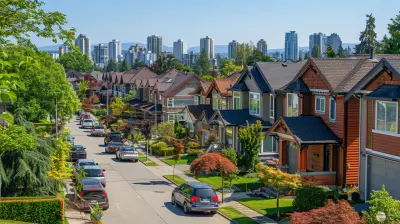
From City Life to Countryside Charm: Making the Transition
16 August 2026
Moving from the city to the countryside is a bold decision—one that promises a slower pace, fresh air, and room to breathe. But let’s be real, it’s also a significant shift that comes with its own set of challenges. If you’ve been fantasizing about trading the honking horns for chirping birds, you're not alone. Many people are making this transition for a better quality of life, and if you’re considering it, this guide will walk you through everything you need to know to make the move seamlessly. 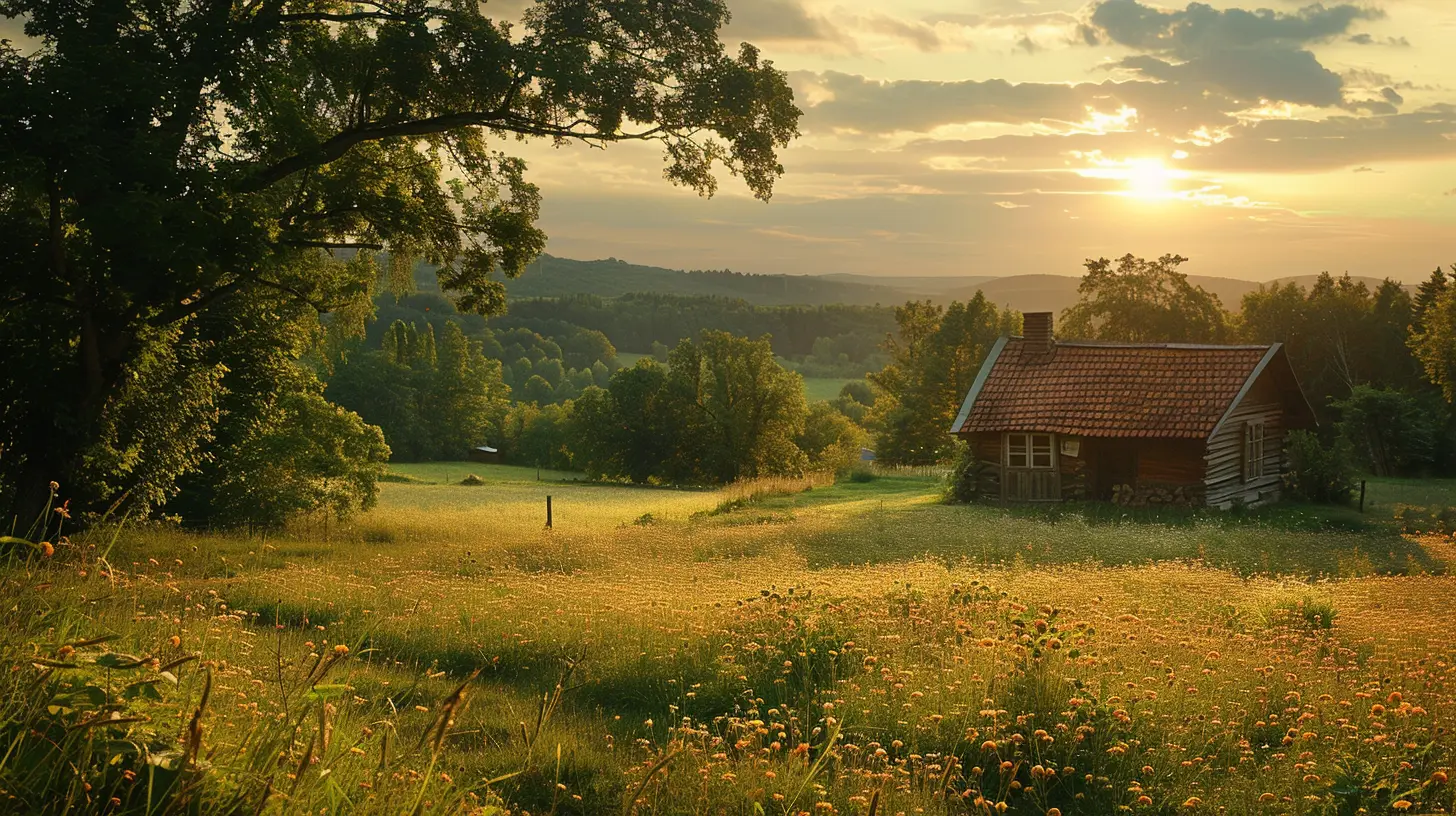
Why Move to the Countryside?
City life has its perks—nonstop entertainment, convenience at every corner, and a social scene that never sleeps. But let’s be honest, it also comes with sky-high living costs, endless traffic, and a constant sense of hustle.The countryside, on the other hand, offers an escape from the stress. Imagine waking up to the sound of birds instead of sirens, having space to breathe (literally), and enjoying a stronger connection with nature.
Here are some compelling reasons why people are making the shift:
- Lower cost of living – Housing prices in rural areas are significantly cheaper compared to cities.
- More space – Say goodbye to cramped apartments and hello to larger homes and yards.
- Less stress – Fewer people, less noise, and a slower pace mean reduced stress levels.
- Stronger community – Small towns often have tight-knit communities that make you feel welcome.
- Healthier lifestyle – Fresh air, locally grown food, and outdoor activities contribute to overall well-being. 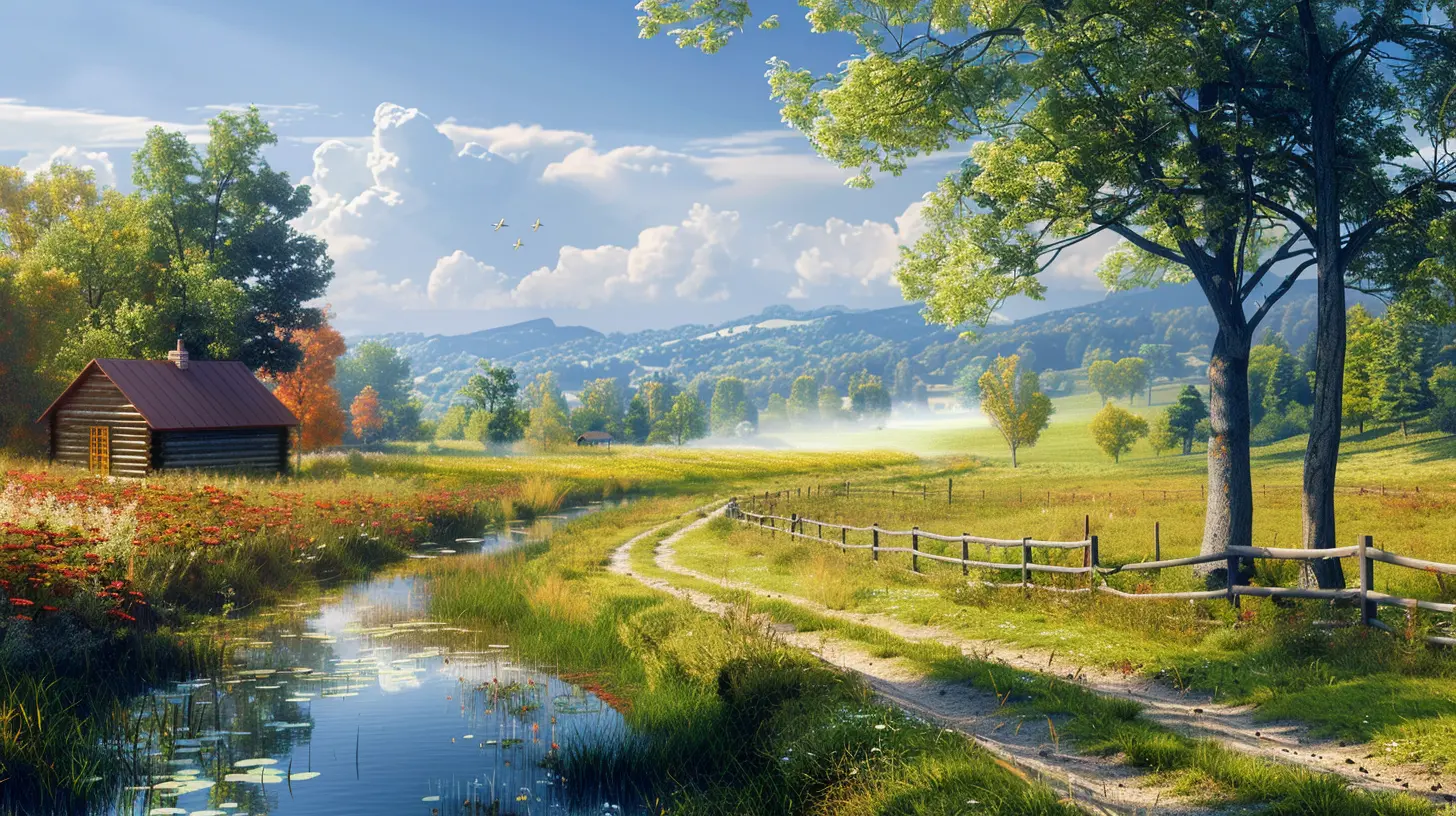
Challenges of Moving to the Countryside
While rural living sounds like a dream, it’s important to acknowledge the challenges. Moving from a fast-paced city to a quiet town isn’t always smooth sailing. Here’s what you’ll need to consider:1. Limited Job Opportunities
If you’re used to having a ton of career options in the city, brace yourself—rural areas don’t always offer the same range of opportunities. Remote work is a great solution, but if that’s not an option, you'll need to explore local job markets before making the move.2. Fewer Amenities and Services
Forget 24/7 convenience stores and same-day delivery. Depending on where you move, grocery stores, hospitals, and entertainment options may be miles away. Planning ahead becomes a necessity.3. Slower Internet and Cell Service
Reliable high-speed internet isn’t always a given in rural communities. If you work remotely, research providers in your target area to avoid surprises.4. Transportation Challenges
Public transit is scarce or nonexistent in most countryside areas. If you don’t already own a car, that will likely need to change.5. Adapting to the Pace of Life
City life is fast, always on the go. Country life? Not so much. Adjusting to a slower, quieter lifestyle can take time, especially if you thrive on the energy of a bustling environment.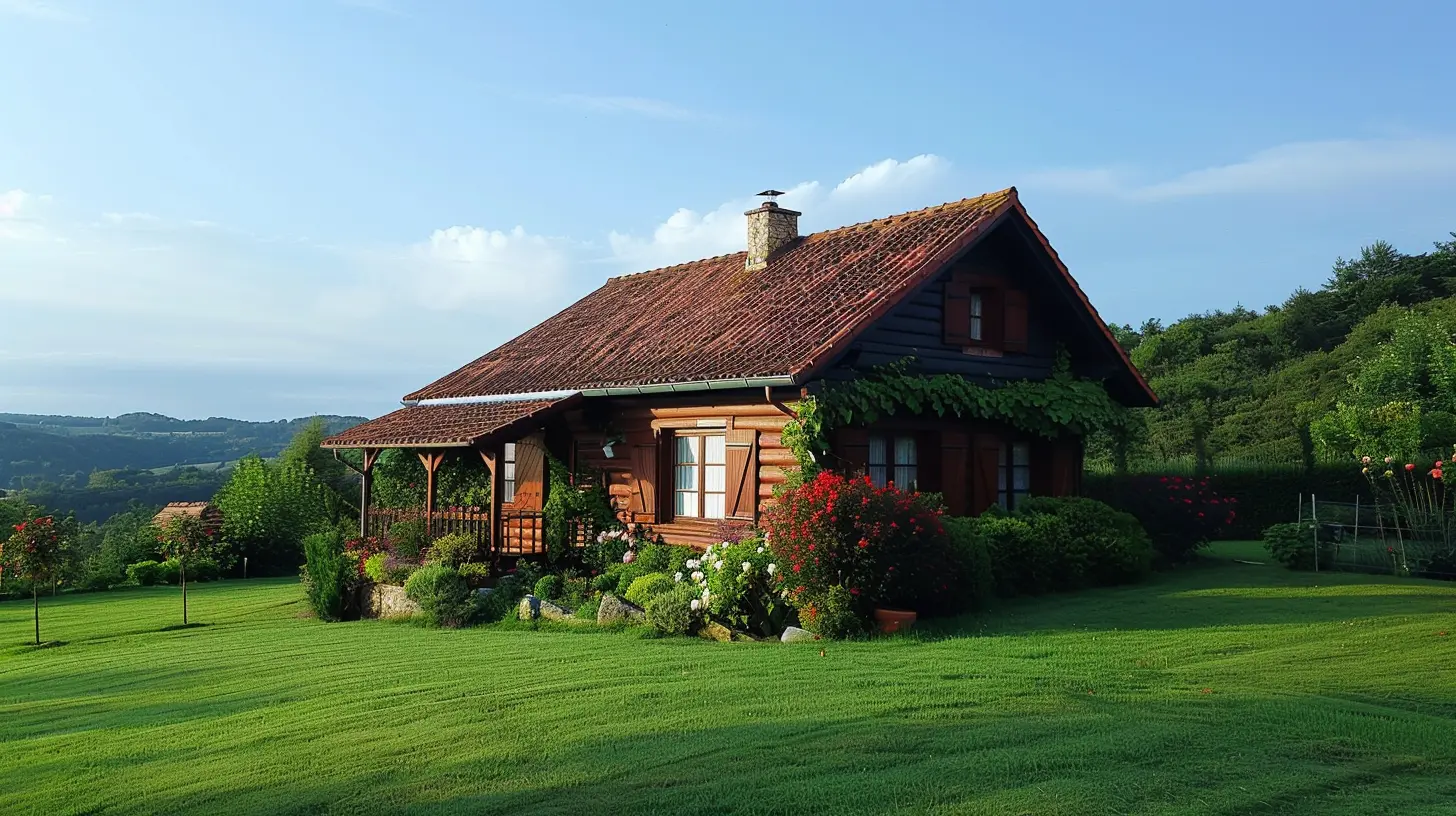
How to Make a Smooth Transition from City to Countryside
Moving to the countryside is exciting, but it requires some planning. Here’s how to make the transition as smooth as possible:1. Visit Before You Commit
A weekend getaway isn’t the same as living in a place full-time. Spend time in the town you’re considering—talk to locals, explore the area, and envision daily life there.2. Secure Your Income
If your job allows remote work, great! If not, research job opportunities in your new area before making the move. Some people build side hustles or start small businesses to sustain themselves in the countryside.3. Choose a Location Wisely
Not all rural areas are the same—some are completely remote, while others are close to small cities or towns. Consider how far you’re willing to be from essential services and social activities.4. Prepare for a New Budget
Living in the countryside is generally cheaper, but you’ll need to budget for things like car maintenance, property upkeep, and possible home repairs.5. Get Involved in the Community
One of the biggest perks of rural life is the sense of community. Attend local events, introduce yourself to neighbors, and get involved in activities to build connections.6. Upgrade Your Skills
Living in the countryside often means becoming more self-sufficient. Learning basic home repairs, gardening, or even farming can be incredibly useful.7. Make Peace with Nature
Wildlife encounters, unpredictable weather, and the occasional power outage are part of the package. Embracing nature instead of fighting it will make your transition easier.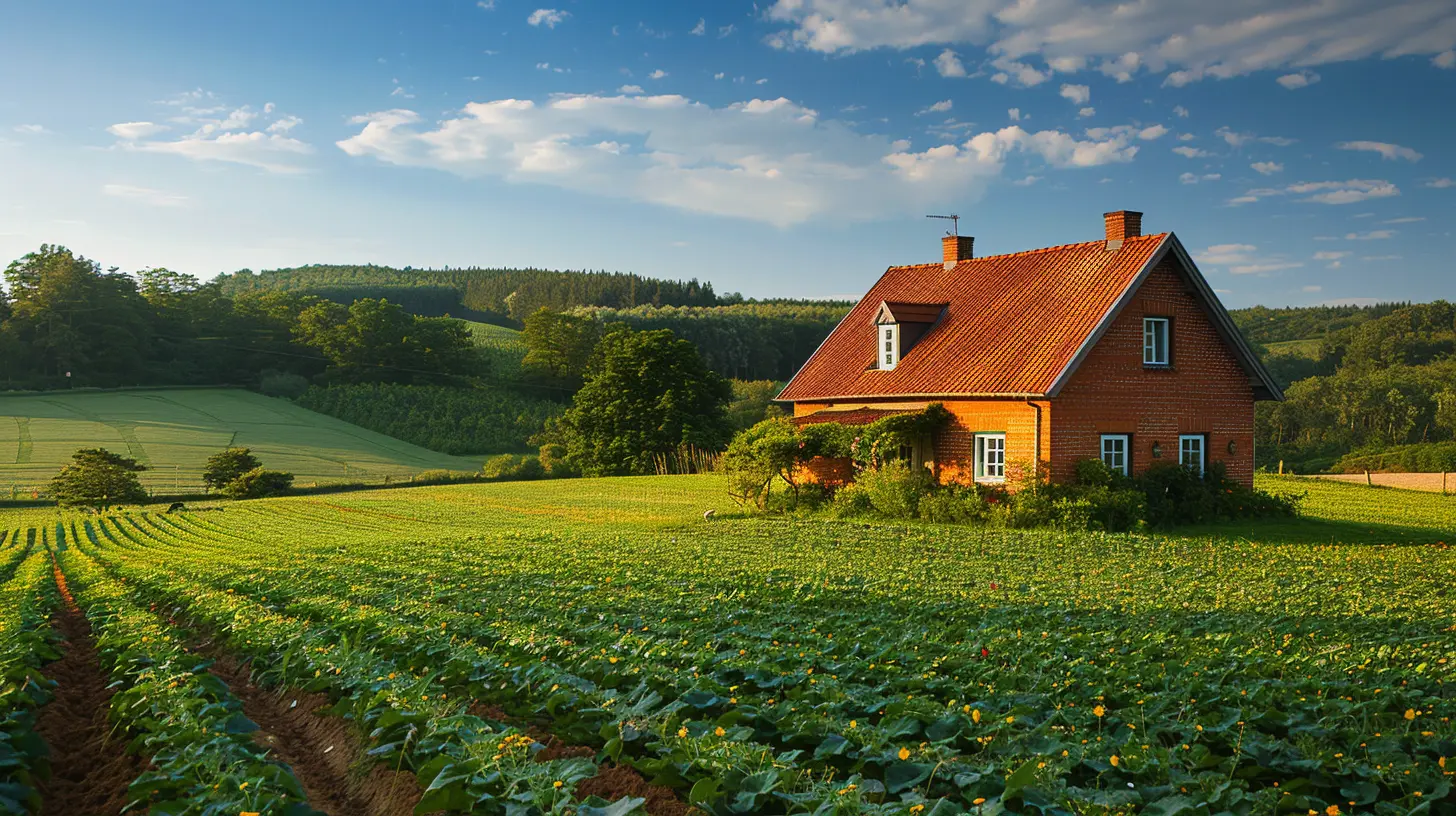
What a Typical Day in the Countryside Looks Like
Wondering what daily life is like outside the hustle and bustle? Here’s a glimpse:- Mornings: Wake up to natural light streaming through your window. Instead of a packed subway, take a leisurely walk through your property or along a scenic trail.
- Afternoons: Work remotely (if applicable) or visit town for errands. Unlike city life, where quick trips are the norm, rural errands often involve careful planning.
- Evenings: Unwind without city noise. Enjoy home-cooked meals, stargazing, or community gatherings. The nightlife may be lacking, but the peace is priceless.
Is Countryside Living Right for You?
Before you pack your bags and head for the hills, ask yourself a few key questions:- Can you handle being far from the conveniences of city life?
- Are you comfortable with a quieter, more self-sufficient lifestyle?
- Do you have a plan for work and finances?
- Are you willing to adapt and engage with the local community?
If you answered "yes" to most of these, then a move to the countryside could be your best decision yet!
Final Thoughts
Transitioning from the city to the countryside isn’t just a change in location—it’s a complete lifestyle shift. While it comes with challenges, the benefits of open spaces, fresh air, and a stress-free environment often outweigh the downsides. Plan wisely, embrace the changes, and before long, you’ll wonder why you didn’t make the move sooner.If you’re ready to trade city chaos for countryside charm, start your journey today. The fresh air is calling!
all images in this post were generated using AI tools
Category:
Rural PropertiesAuthor:
Vincent Clayton