DIY vs Professional: When to Call in a Property Maintenance Expert
15 July 2026
Owning a property comes with its fair share of responsibilities. From fixing a leaky faucet to repainting the walls, maintenance is a never-ending task. But the real question is—should you tackle the job yourself, or is it time to call in a pro?
Sure, DIY projects can save money and give you a sense of pride. But some tasks are better left to the experts to avoid costly mistakes or potential safety hazards. So, how do you decide? Let’s break it down. 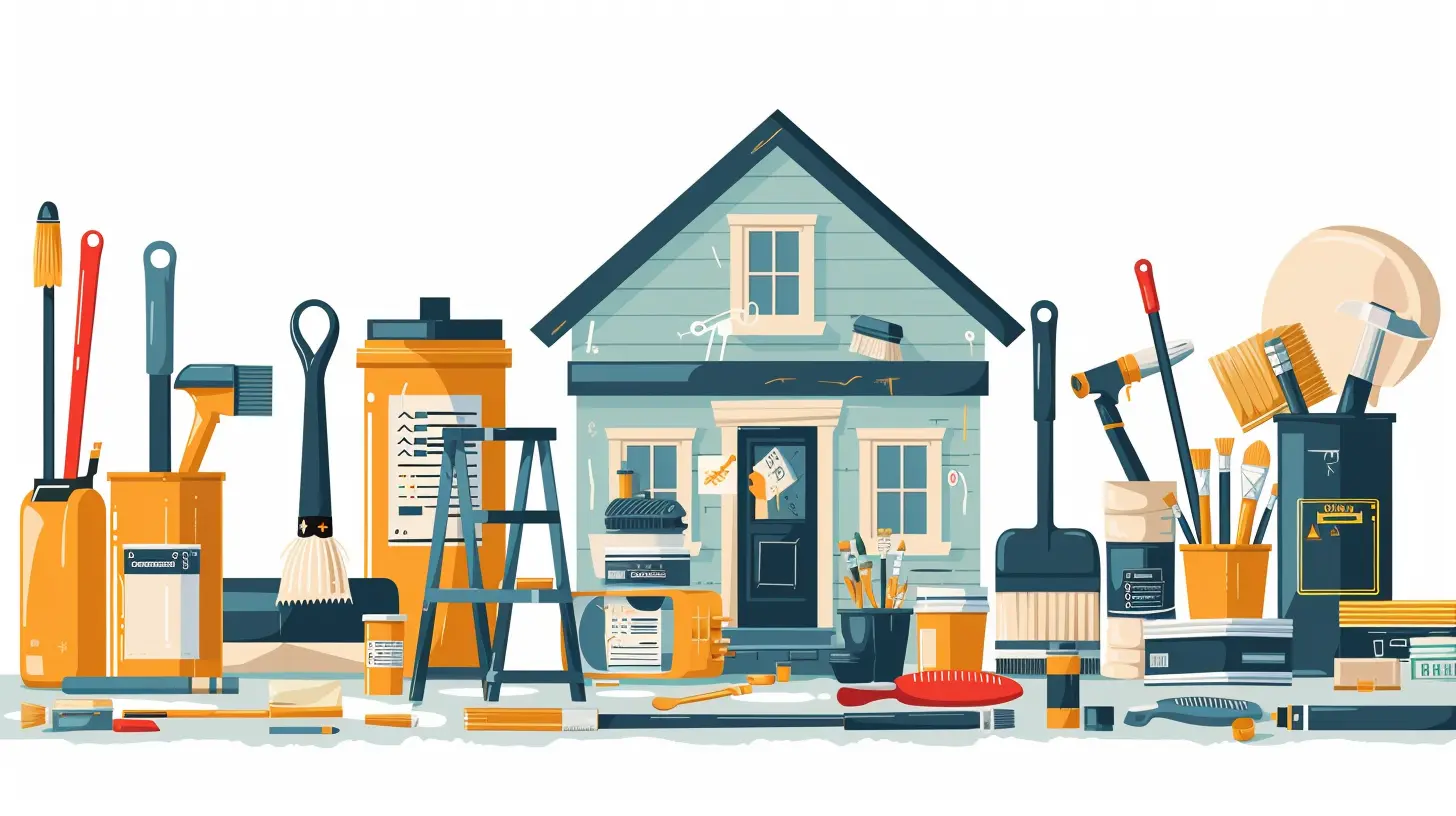
The DIY Approach: When You Should Handle It Yourself
Rolling up your sleeves and doing the work yourself can be rewarding. If you enjoy hands-on projects and have basic skills, DIY can be a great option. Here are some situations where taking the DIY route makes sense.1. Minor Repairs and Cosmetic Updates
Small fixes like patching up drywall holes, repainting walls, or replacing cabinet handles don’t require advanced skills. With some YouTube tutorials and the right tools, these jobs can be tackled on a free weekend.2. Landscaping and Yard Work
Mowing the lawn, trimming hedges, planting flowers—it’s all part of keeping your property looking great. Unless you’re dealing with intricate landscaping designs or large tree removals, this is a DIY-friendly task.3. Changing Air Filters and Basic HVAC Maintenance
Replacing air filters, cleaning vents, and checking for clogged drains in your AC unit are simple yet essential maintenance tasks. They don’t require a technician and can prevent costly breakdowns.4. Unclogging Drains and Fixing Leaky Faucets
A slow-draining sink or a dripping faucet can often be fixed with a plunger, drain snake, or washer replacement. Unless there’s a deeper plumbing issue, this is a straightforward DIY task.5. Installing Fixtures and Simple Electrical Work
Swapping out light fixtures, changing door handles, or installing shelves? These are beginner-friendly projects that don’t usually require a permit or special tools.The Pros of DIY Repairs
✅ Cost Savings – No labor fees mean more money in your pocket.✅ Flexibility – Work on your own schedule without waiting for an appointment.
✅ Sense of Accomplishment – Completing a project yourself can be deeply satisfying.
The Cons of DIY Repairs
❌ Time-Consuming – Some tasks take much longer than expected.❌ Risk of Mistakes – Lack of experience can lead to more damage.
❌ Safety Concerns – Electrical work and structural repairs can be dangerous.

When to Call in a Property Maintenance Expert
While DIY can be tempting, there are certain tasks where hiring a professional is the smarter choice. Attempting complex repairs without the right expertise can lead to bigger problems—and sometimes even legal issues.1. Electrical Work Beyond the Basics
Changing a lightbulb? Easy. Rewiring an entire room? That’s a different story. Electrical work is highly regulated for a reason—it’s dangerous. Faulty electrical repairs can cause fires, shocks, or code violations.2. Major Plumbing Issues
A clogged drain? Fine, handle it yourself. But if you’re dealing with burst pipes, low water pressure, or sewer line blockages, it’s time to call an expert. Messing with plumbing can lead to flooding and costly damage.3. Roofing Repairs and Gutter Maintenance
Climbing up a ladder to clean your gutters is one thing, but fixing leaks, replacing shingles, or repairing structural damage is risky. Roofing work requires experience, safety equipment, and specialized skills to prevent costly mistakes.4. HVAC Repairs and System Overhauls
Simple maintenance is DIY-friendly, but if your HVAC system is making weird noises, won’t heat or cool properly, or has a refrigerant leak, you need a licensed technician. HVAC systems are expensive, and improper repairs can make things worse.5. Structural Repairs and Renovations
If your property has foundation cracks, sagging floors, or walls that need to be removed or reinforced, don’t try to DIY this. Structural issues require professional assessment to ensure safety and compliance with building codes.6. Pest Infestations and Mold Removal
A few ants? Set some traps. A full-blown termite infestation or black mold creeping up your walls? That’s a job for a professional. Mishandling these issues can cause serious health and structural problems.7. Property Code and Safety Compliance
Landlords and property managers especially need to ensure their buildings meet safety regulations. Electrical work, gas fittings, and fire safety upgrades must be done by licensed professionals to avoid legal troubles.The Pros of Hiring a Professional
✅ Expertise & Experience – They know what they’re doing and can get the job done right.✅ Time Efficiency – Pros can complete the job faster than trial-and-error DIY attempts.
✅ Safety Assurance – Avoid personal injury or creating bigger hazards.
The Cons of Hiring a Professional
❌ Higher Costs – Professional services aren’t cheap, but they’re often worth it.❌ Scheduling Delays – You might have to wait days (or even weeks) for an appointment.
❌ Less Personal Satisfaction – You don’t get the same sense of achievement as a DIY job.

DIY vs. Professional: Making the Right Decision
So, how do you decide whether to DIY or call in an expert? Ask yourself these questions:1. Do I have the knowledge and skills to do this safely? – If not, it’s best to leave it to a pro.
2. Do I have the right tools and materials? – Some repairs require specialized equipment.
3. What’s the worst that could happen? – If a mistake could cause serious damage or injury, don’t risk it.
4. Is it a legal or code-related issue? – Some tasks must be handled by licensed professionals to comply with regulations.
5. Will DIY take up too much time? – If the job requires weeks of work, hiring a pro can save you stress. 
Final Thoughts
DIY property maintenance can be fun, cost-effective, and fulfilling. But knowing your limits is key. Some tasks are perfectly manageable with a little research and effort. Others? Not so much.Electrical work, major plumbing issues, and structural repairs should never be a guessing game. Hiring a professional ensures safety, saves time, and prevents bigger (and more expensive) problems down the road.
At the end of the day, balance is everything. Know when to grab your toolbox and when to pick up the phone. Your property (and your sanity) will thank you for it.
all images in this post were generated using AI tools
Category:
Property MaintenanceAuthor:

Vincent Clayton