Common Mistakes to Avoid When Selling Your First Home
4 February 2026
So, you’ve decided to sell your first home. Exciting, right? You’ve likely made memories in this space, poured your heart (and let’s be honest, your wallet) into making it your own. Now it’s time to move on—maybe you're upsizing, downsizing, or moving cross-country for that dream opportunity. Whatever the reason, selling your first home can feel like navigating a maze blindfolded.
And guess what? It’s easy to make mistakes that could cost you time, money, and possibly even your sanity. But don’t worry—I've got your back.
Let’s break down the most common pitfalls first-time home sellers stumble into, and talk about how to dodge them like a pro.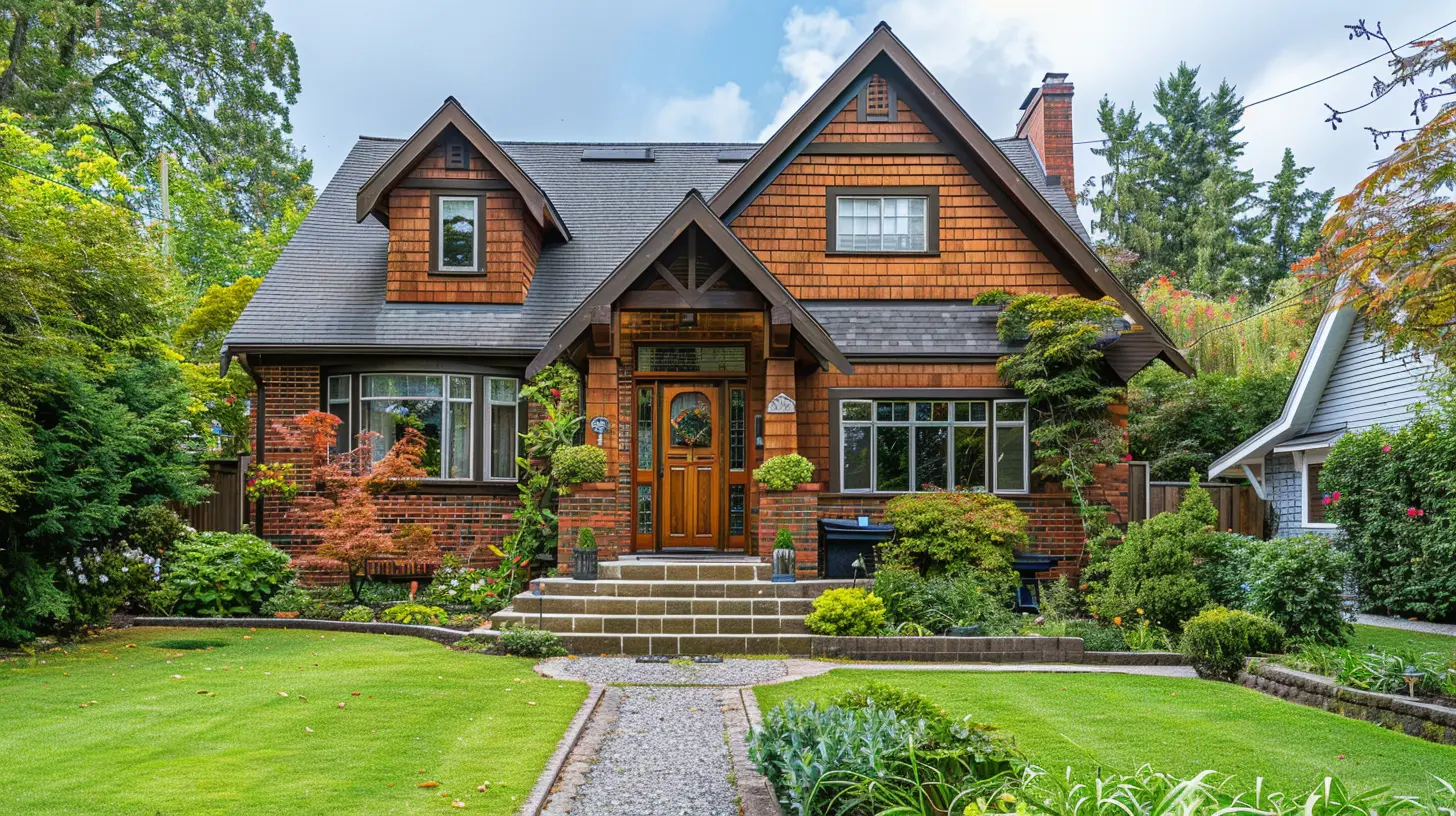
1. Overpricing Your Home
Let’s kick things off with the big one.Most newbie sellers think their home is worth more than it actually is. And hey, I get it. You love your home. You’ve upgraded the kitchen, painted the nursery, and planted tulips in the backyard. But buyers don’t have that sentimental attachment.
Pricing too high is like putting a $100 price tag on a $20 T-shirt and wondering why no one’s buying. Overpricing leads to:
- Fewer showings
- Longer days on the market
- Price drops (which can make your listing look stale)
Instead, work with a real estate agent to do a Comparative Market Analysis (CMA). This helps you price your home based on what similar properties are selling for in your area—aka what buyers are actually willing to pay.
2. Ignoring the Curb Appeal
First impressions? They matter—a lot.Your home’s exterior is the very first thing buyers see, both online and in person. And if the outside makes them cringe, they may never bother to look inside.
Think of curb appeal as your home’s profile picture in a sea of Tinder profiles. You want buyers to swipe right.
Here’s what you can do:
- Mow the lawn and trim the hedges
- Power wash the driveway and siding
- Paint the front door a bold, welcoming color
- Add some cheerful flowers or potted plants
These small touches can translate into big interest.
3. Forgetting to Stage the Home
You might think staging is a waste of time. After all, they’re buying the house, not your furniture, right?True... but staging helps potential buyers visualize the space as their own. A cluttered, overly personalized, or empty home can make it harder for buyers to emotionally connect.
Here’s the deal:
- Declutter and depersonalize (family photos, quirky art—keep it minimal)
- Rearrange furniture to highlight space and flow
- Use neutral tones to make rooms feel light and airy
Staging doesn’t mean hiring a designer, either. Sometimes, a good clean-up and some inexpensive décor updates will do the trick.
4. Going the FSBO Route Without Knowing the Risks
“Why pay an agent when I can sell it myself?”That thought crosses many first-time sellers’ minds. It’s tempting to go down the For Sale By Owner (FSBO) path thinking you’ll save on the commission. But here's the thing—selling a home isn’t as straightforward as posting it online and waiting for offers.
Without an agent:
- You might price incorrectly
- You’ll have to handle marketing, showings, negotiations, and legal documents
- You may miss out on industry connections that bring serious buyers to your door
In fact, studies have shown FSBO homes often sell for significantly less than agent-represented ones. Sometimes, you really do get what you pay for.
5. Being Emotionally Attached During Negotiations
This is a tough one.Selling your first home is emotional. You’ve built a life there. But once it hits the market, it becomes a product—and you need to think like a businessperson.
What does that mean?
- Don’t take lowball offers personally
- Don’t get offended by negative feedback
- Be flexible and open to counteroffers
If you react emotionally, you could scare off perfectly good buyers. Let your agent be the buffer—they’ll keep things professional and help you make smart, strategic moves.
6. Skipping the Pre-Listing Inspection
Some sellers think home inspections are a buyer’s problem. Wrong.Getting a home inspection before you list can actually save you a ton of headaches. It gives you the chance to identify and fix issues before they become deal-breakers.
Think of it like going to the dentist before a big date—you want to address any bad breath before someone else points it out.
Fixing things proactively:
- Helps you avoid last-minute negotiations
- Builds trust with buyers
- Speeds up the closing process
And bonus—if you have nothing to hide, you’ll sell with more confidence.
7. Neglecting to Market Properly
Listing it on Zillow and praying someone sees it isn’t enough.Real estate marketing is more than snapping a few iPhone pics and hoping for the best. Here’s what great marketing should include:
- High-quality, professional photography
- Virtual tours or video walkthroughs
- Strong listing descriptions with searchable keywords
- Social media promotion
- Email blasts to buyer agents
Remember, the internet is the first place most people look. If your listing doesn’t shine online, you're already behind.
8. Being Rigid with Showings
One of the worst moves? Making it hard for buyers to see your home.If you say things like, “Only weekends, between 2-4 PM,” you’re killing your own sale. Buyers have busy lives. If they can't see it when their schedule allows, they’ll move on to the next.
Make your home available as much as you can. Bonus points if it’s always “show-ready” (clean, clutter-free, and smelling great).
9. Not Understanding Closing Costs
Many first-time sellers are shocked when they realize that selling a home isn’t free (spoiler alert: it’s not even cheap).Closing costs for sellers can eat up 6-10% of the sale price. This includes:
- Agent commissions (usually 5-6%)
- Title insurance
- Transfer taxes
- Attorney fees (if applicable)
- Repairs or buyer credits
If you don’t plan for these expenses, you might walk away with less than you expected—or worse, be unable to close at all.
10. Failing to Disclose Issues
It might be tempting to hide that basement leak or pretend the HVAC doesn’t make weird noises.Don’t.
Being dishonest on your disclosure forms can lead to lawsuits after the sale. It’s not worth it. Buyers will most likely find out during inspections anyway.
Be upfront. If there’s an issue, either fix it or adjust your price accordingly. Transparency builds trust and keeps the process smoother for everyone.
11. Accepting the Highest Offer Without Looking at Terms
Big number on a contract? Don't get stars in your eyes just yet.The highest offer isn't always the best. You have to consider:
- Are they requesting tons of concessions?
- Do they need weeks to get financing approved?
- Are there contingencies that could delay or derail the deal?
Sometimes a slightly lower offer with cash, no contingencies, and a quick close is WAY better.
Always evaluate the full picture with your agent's help.
12. Waiting Too Long to List
Timing the market is like trying to catch a falling knife—you might get lucky, but you’ll probably just end up hurt.Don’t wait for the “perfect time” that may never arrive. Sometimes the best time to sell is when you’re ready—and when the house, the finances, and life all align.
Real estate is hyper-local. What's perfect timing in one neighborhood might be a dud in another. Lean on a local agent to give you the scoop.
13. Not Having a Plan for What’s Next
Don’t put the “sold” sign in the yard without knowing where you’re going next.Selling your home without a backup plan can leave you scrambling for short-term housing, dealing with storage units, or making rushed decisions on your next place.
Before listing:
- Know where you’re moving
- Have financing pre-approved (if buying again)
- Understand your timeline and coordinate dates
A smooth landing requires a good runway.
Final Thoughts
Selling your first home is a huge milestone. It can be thrilling and bittersweet all at once. But it doesn’t have to be overwhelming or filled with regret.If you avoid these common mistakes, you'll position yourself for a smoother, faster, and more profitable sale. Surround yourself with people who know what they're doing, stay flexible, and think like a buyer when prepping your home.
Remember—the goal is to pass your keys to someone who will love the home as much as you once did.
Happy selling!
all images in this post were generated using AI tools
Category:
Sellers GuideAuthor:

Vincent Clayton
Discussion
rate this article
2 comments
Aisha Weber
Great insights on navigating the complexities of selling your first home! It's easy to overlook key details, but your tips provide invaluable guidance. Remember, preparation and knowledge are your best allies in this journey. Trust the process, stay organized, and you'll achieve a successful sale. Keep up the great work!
February 16, 2026 at 12:16 PM
Vincent Clayton
Thank you for your kind words! I’m glad you found the tips helpful. Preparation and organization really do make a difference in the selling process.
Cynthia McElhinney
“Forget to stage? Buyers might think your home’s a museum of bad choices!”
February 5, 2026 at 5:49 AM
Vincent Clayton
Great point! Staging can dramatically impact how buyers perceive your space. It helps them envision themselves living there, rather than critiquing past choices.