Commercial Redevelopment: Converting Underutilized Land into Profitable Ventures
25 December 2025
Commercial redevelopment is one of the most lucrative opportunities in real estate today. Cities are brimming with underutilized land—vacant lots, abandoned buildings, and outdated malls—that hold untapped potential. With smart planning and investment, these neglected spaces can be transformed into high-value commercial properties that generate continuous revenue.
But how does one go about converting idle land into a thriving business hub? And what challenges should investors be prepared for? Let’s dive deep into the world of commercial redevelopment and uncover the strategies that turn overlooked real estate into profitable ventures.
Why Commercial Redevelopment is a Game Changer
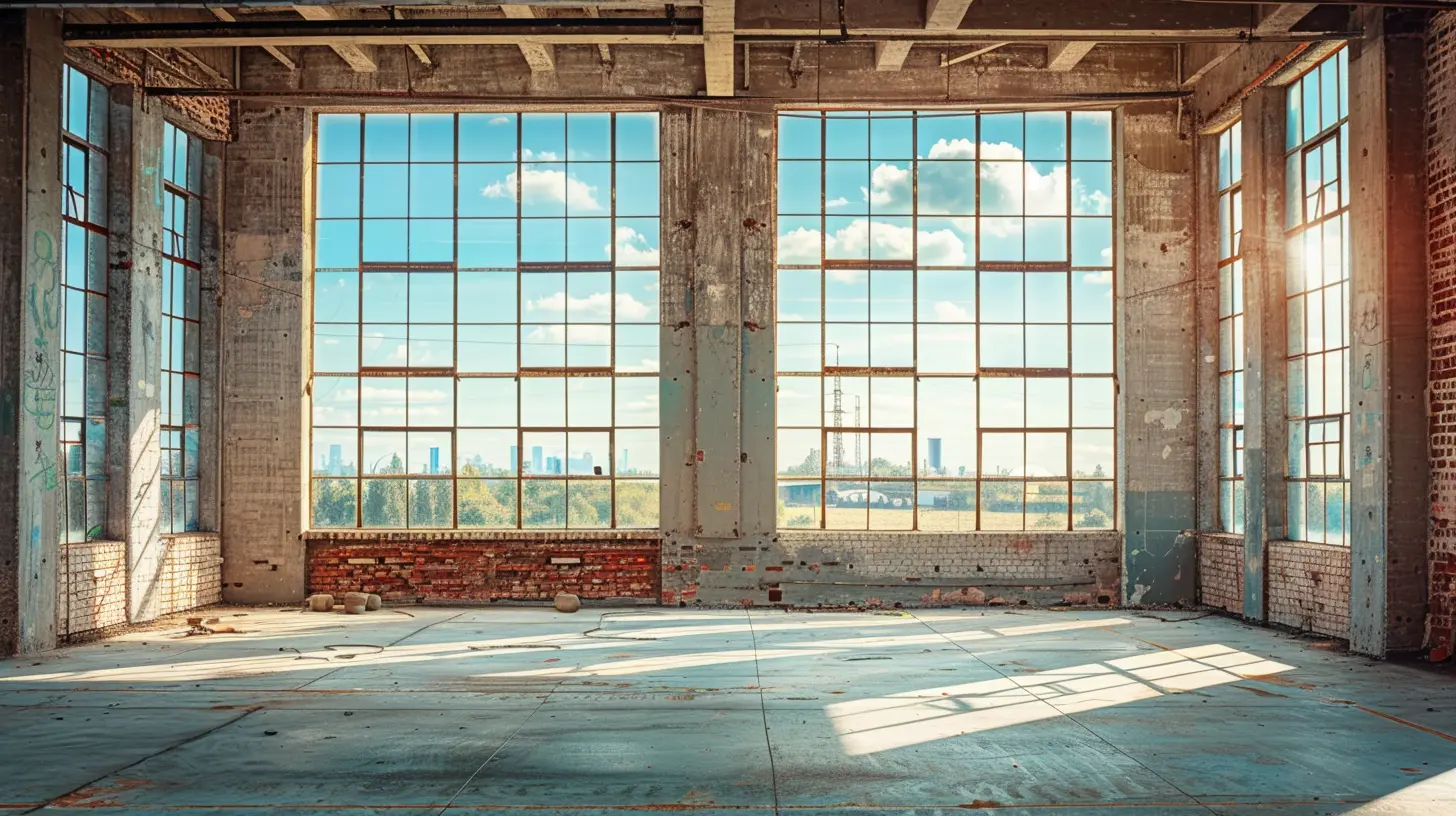
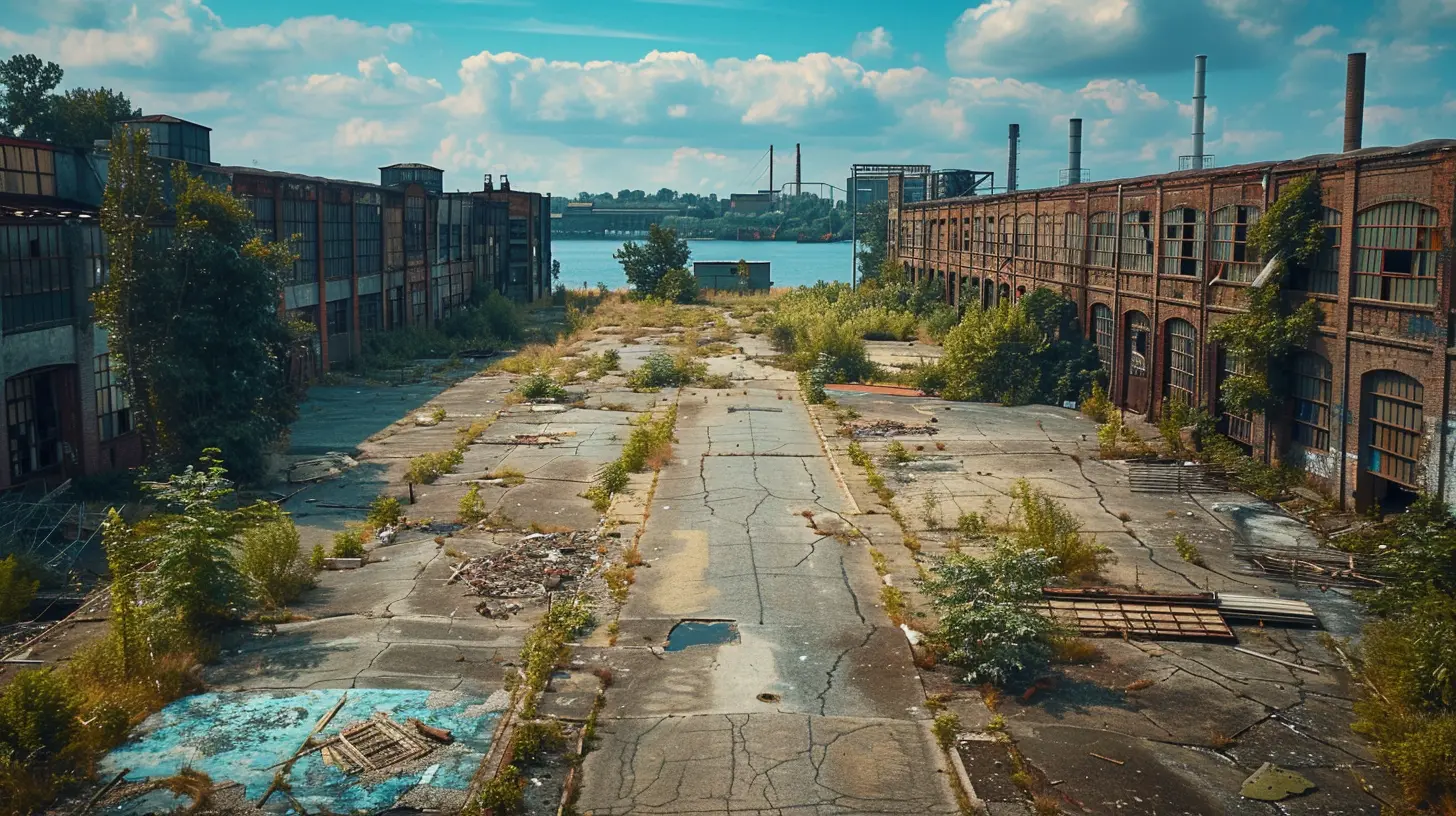
Underutilized land is like a hidden treasure—waiting to be discovered, polished, and turned into something valuable. In many cases, old industrial zones, shuttered retail centers, and abandoned lots are seen as eyesores. However, with the right vision, these spaces can be revitalized into bustling commercial hubs, office buildings, mixed-use developments, or even modern retail districts.Not only does this approach create profitable business opportunities, but it also injects new life into communities. Redeveloped properties can attract businesses, generate jobs, and boost local economies—an absolute win-win for both investors and society.
Identifying Profitable Redevelopment Opportunities
Not all vacant spaces are worth developing, so how do you spot a golden opportunity? Here are some key factors to consider:1. Location, Location, Location
You’ve probably heard this a million times, but the importance of location in real estate cannot be overstated. If a piece of land is in a high-traffic area, near transportation hubs, or surrounded by growing residential neighborhoods, it’s a potential goldmine.2. Market Demand and Trends
What does the area need? Is there a shortage of office space, retail stores, or co-working spaces? Analyzing market trends and demand can give you a clear idea of the best type of redevelopment for a particular location.3. Zoning and Regulatory Factors
Check the zoning laws and building regulations before jumping into a project. Some land parcels may require zoning changes, which could be time-consuming and costly.4. Infrastructure and Accessibility
Is the area well-connected by roads, public transit, or highways? Easy access plays a huge role in determining the future success of your redevelopment project.5. Financial Feasibility
Before diving in, conduct detailed financial projections. Factor in acquisition costs, renovation expenses, permits, and potential revenue. If the numbers don’t add up, it’s better to walk away.
Strategies for Successful Commercial Redevelopment
Once you've identified a promising site, the real work begins. Here’s how to maximize your chances of success:1. Adaptive Reuse: Breathing New Life into Old Buildings
Sometimes, instead of tearing down an existing structure, it makes sense to repurpose it. For example, an old warehouse can be converted into stylish office spaces, or a historic building can be revamped into a boutique hotel. Adaptive reuse saves money, preserves architectural charm, and often speeds up the process compared to completely new construction.2. Mixed-Use Developments: Combining Functionality and Profitability
Why limit your project to a single-purpose building when you can create a mixed-use development? Combining retail, office spaces, and residential units in one project can maximize income streams and attract a diverse range of tenants.3. Public-Private Partnerships (PPPs)
Partnering with local governments or private institutions can help you secure funding, approvals, or tax incentives. Many cities offer incentives to investors willing to revitalize neglected areas, making PPPs a beneficial strategy.4. Sustainable and Green Redevelopment
Sustainability isn’t just a trend—it’s the future of real estate development. Energy-efficient buildings, solar panels, and green spaces not only attract eco-conscious tenants but may also qualify for tax breaks and incentives. Plus, sustainable buildings often have lower long-term operational costs.5. Leveraging Technology in Redevelopment
Modern technology has changed how commercial spaces operate. Smart buildings with automated climate control, AI-driven security, and high-speed connectivity are in high demand. Incorporating technology can increase the value and appeal of your redeveloped property.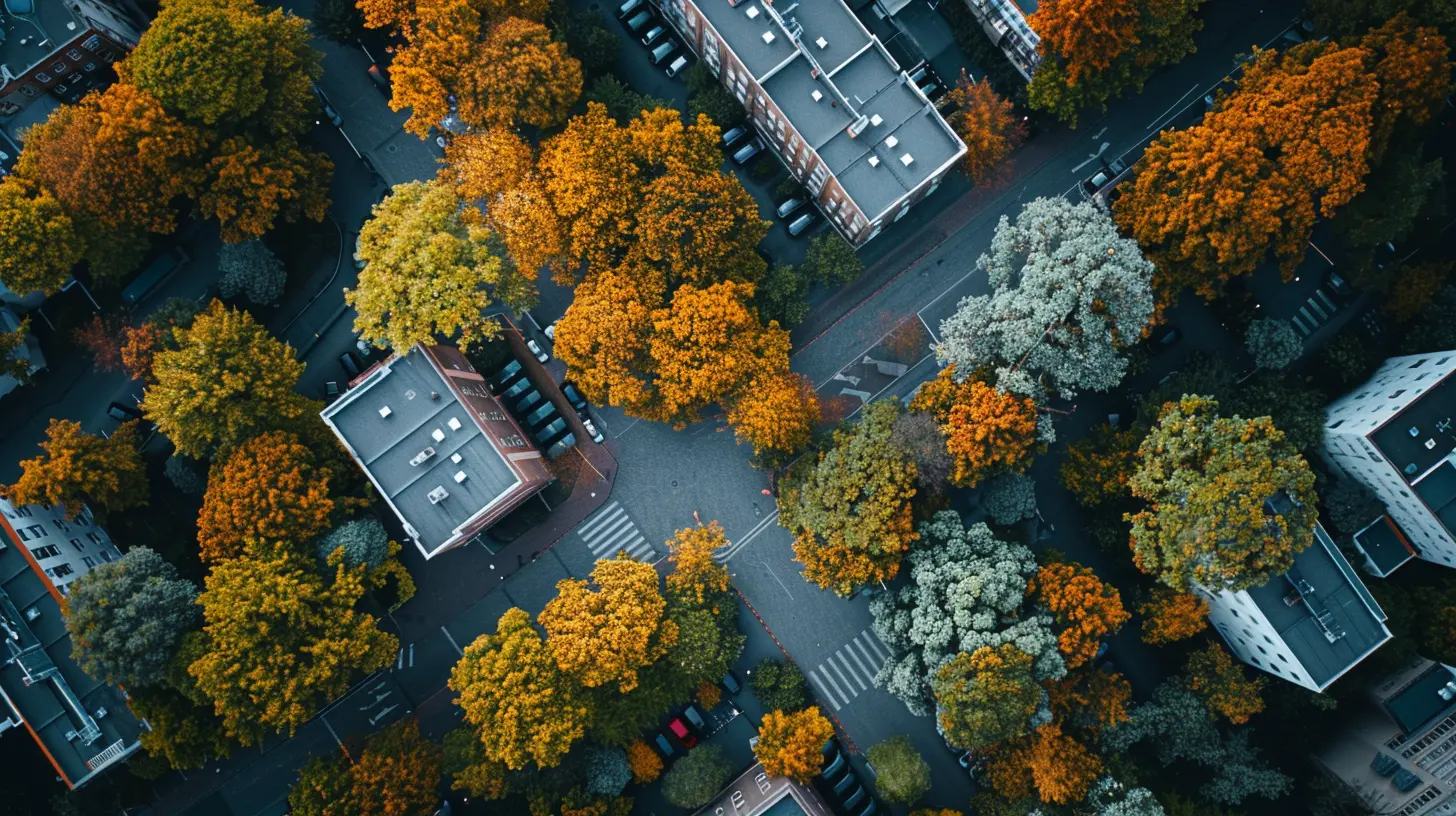
Challenges in Commercial Redevelopment (And How to Overcome Them)
Every great project comes with its share of hurdles. Redeveloping commercial spaces isn’t always smooth sailing, but knowing the common challenges can help you navigate them effectively.1. Unexpected Costs and Budget Overruns
Renovation projects often come with surprises—hidden structural issues, outdated wiring, or environmental hazards like asbestos. To mitigate this, always have a contingency budget of at least 10-20% of your estimated costs.2. Navigating Bureaucracy and Permits
Government red tape can slow down your plans. Work with experienced legal experts and local officials to streamline the process and avoid unnecessary delays.3. Community Pushback
Not every neighborhood welcomes change. Sometimes, local residents oppose redevelopment projects due to concerns about congestion, rising property prices, or loss of historic value. Engaging with the community early and addressing their concerns head-on can help gain local support.4. Market Fluctuations
Real estate markets can be unpredictable. To safeguard your investment, conduct thorough market research, have flexible exit strategies, and be prepared for economic shifts.The Future of Commercial Redevelopment
With urban populations growing and land becoming scarcer, commercial redevelopment is only going to become more relevant. Cities are constantly evolving, and smart investors will continue to find ways to transform neglected spaces into high-demand properties.From repurposing old malls into thriving business centers to turning abandoned lots into coworking hubs, the opportunities are endless. The key is spotting the potential before everyone else does and executing a well-thought-out redevelopment strategy.
Final Thoughts
Commercial redevelopment is more than just a real estate trend—it’s a game-changing investment strategy that breathes new life into cities while creating profitable opportunities for investors. By carefully assessing market conditions, leveraging modern technology, and staying ahead of regulatory requirements, you can turn underutilized land into a thriving commercial venture.So, if you’re looking for the next big opportunity in real estate, don’t just look at what’s already booming. Instead, set your sights on the overlooked, the forgotten, and the underutilized—and turn them into gold mines.
all images in this post were generated using AI tools
Category:
Commercial Real EstateAuthor:

Vincent Clayton
Discussion
rate this article
2 comments
Maddox Webster
This article sparks my curiosity about the innovative strategies behind commercial redevelopment! How do developers identify underutilized land, and what criteria determine its potential for transformation into profitable ventures?
December 29, 2025 at 4:10 AM
Vincent Clayton
Thank you for your interest! Developers often identify underutilized land through market analysis, zoning regulations, and community needs assessments. Key criteria for transformation include location, accessibility, existing infrastructure, and potential ROI based on market demand.
Corinne Heath
This article beautifully highlights the potential of transforming underutilized land into thriving spaces. Embracing redevelopment not only revitalizes communities but also fosters economic growth, creating vibrant environments for businesses and residents alike. Truly inspiring!
December 25, 2025 at 5:47 AM
Vincent Clayton
Thank you for your thoughtful comment! I'm glad you found the article inspiring and appreciate your insights on the benefits of redevelopment for communities and businesses.