Can You Rent Out Your Home with a Reverse Mortgage?
11 April 2026
Reverse mortgages can be a financial lifesaver for seniors looking to supplement their retirement income. But what if you want to rent out your home to generate extra cash? Can you do that while holding a reverse mortgage?
It’s a question many homeowners ask, and the answer isn't as straightforward as you might think. Before you start looking for tenants, there are some crucial details to consider. Let’s dive into the ins and outs of renting out a home with a reverse mortgage.

Understanding How Reverse Mortgages Work
Before we get into renting, let's clarify what a reverse mortgage is.A reverse mortgage is a loan available to homeowners aged 62 and older. Unlike a traditional mortgage where you make monthly payments, a reverse mortgage allows you to convert a portion of your home equity into cash. The best part? You don’t have to repay the loan until you move out, sell the home, or pass away.
But hold on—there’s a catch. The loan comes with specific requirements, and one of the biggest is the occupancy rule.

The Occupancy Requirement: Why It Matters
Here’s the deal: To qualify for and maintain a reverse mortgage, the home must be your primary residence. That means you must live there for the majority of the year.This requirement poses a major challenge if you’re considering renting out the property. The lender expects you to reside in the home, and if you move out—even temporarily—you could violate the loan terms.
What If You Want to Rent Out a Room?
Good news! If you still live in the house, you can rent out a portion of your home to a tenant. This means you can rent out a spare bedroom, a basement, or even an attached in-law suite—as long as you continue living in the home as your primary residence.However, if you decide to rent out the entire home and move elsewhere, that’s where things get complicated.
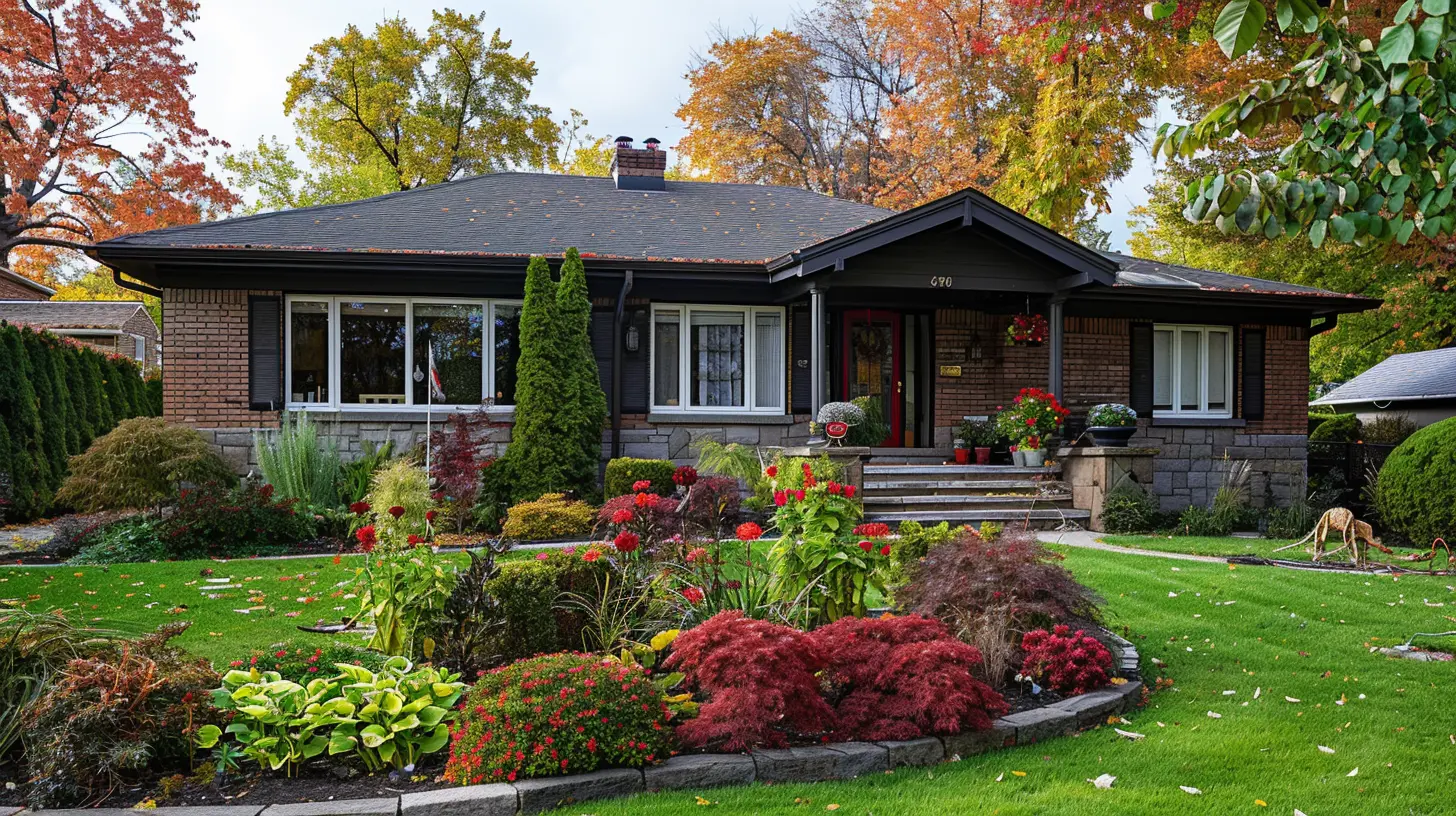
Can You Rent Out the Entire Home?
Here’s where reality sets in: You cannot rent out your entire home and move out while maintaining a reverse mortgage.Why? Because once you vacate the property, it no longer qualifies as your primary residence. And when that happens, the loan becomes due. That means you would have to repay the full reverse mortgage balance—something that could be financially challenging.
What If You Move Temporarily?
Many homeowners wonder: What if I rent out my house while I travel for a year?The answer is still no. Most reverse mortgage agreements include strict guidelines about temporary absences. If you’re gone for more than 12 consecutive months (even for medical reasons), your home is considered vacant, triggering loan repayment.

What Happens If You Violate the Rules?
Accidentally—or intentionally—renting out your entire home while holding a reverse mortgage can lead to serious consequences.1. Immediate Loan Repayment – The lender can call the loan due, meaning you must repay the entire amount. If you can’t, foreclosure might be on the table.
2. Foreclosure Risk – If the loan isn't repaid when due, the bank can take ownership of the property, leaving you without a home.
3. Legal Issues – If you violate the terms of your mortgage agreement, legal consequences could follow. It’s never a good idea to break lender agreements.
Bottom line? Renting out your entire home with a reverse mortgage is a no-go.
Are There Any Workarounds?
If you absolutely need to rent out your home, you do have some legal options:1. Pay Off the Reverse Mortgage
If you no longer need the benefits of your reverse mortgage, you can pay off the loan balance and take full ownership of the home. Once the loan is settled, you’re free to rent, sell, or do whatever you like with the property.2. Switch to a Traditional Mortgage
If you’re looking for rental income, refinancing your reverse mortgage into a traditional loan might be an option. Keep in mind, though, that this will require you to start making mortgage payments again, so be sure it's financially viable.3. Use a Family Member’s Home for Rental Income
If your primary goal is to create rental income, consider using a second property rather than the home tied to the reverse mortgage. That way, you avoid any legal risks while still generating extra cash.
When a Reverse Mortgage Becomes Due
Even if you don’t try to rent out your home, there are other scenarios where a reverse mortgage becomes due:- Selling the Home – If you decide to sell, the proceeds from the sale will go toward paying off the reverse mortgage.
- Passing Away – If the homeowner passes away, the loan still needs to be repaid, either by heirs selling the home or through other means.
- Failing to Meet Obligations – Even without renting, a reverse mortgage can be called due if you fail to pay property taxes, homeowners insurance, or maintain the home properly.
Alternatives to Renting Out Your Reverse Mortgage Home
If you were hoping to rent out your property to ease financial stress, don’t worry—there are still other options:- Downsizing to a Smaller Home – Selling your current home and moving into a smaller, more affordable one could free up cash without violating any mortgage terms.
- Home Equity Line of Credit (HELOC) – If your home has equity, a HELOC could be another way to access funds without the complications of a reverse mortgage.
- Government Assistance Programs – Depending on your situation, you may qualify for financial assistance programs that can help with your living expenses.
Final Thoughts
While a reverse mortgage can provide financial relief, it also comes with strict rules—and renting out your entire home is one of the biggest restrictions.If you're considering renting, the safest way to do so is by only renting out a portion of the house while still living there. Otherwise, you could be risking foreclosure or immediate loan repayment.
At the end of the day, if you're unsure about what’s allowed, it’s best to consult with your lender or a financial advisor to avoid any costly mistakes.
all images in this post were generated using AI tools
Category:
Reverse MortgagesAuthor:

Vincent Clayton
Discussion
rate this article
2 comments
Soleil Cook
Great article! Understanding the nuances of renting out your home with a reverse mortgage is crucial. It opens up possibilities while ensuring you make informed decisions. Keep exploring!
April 17, 2026 at 5:06 AM
Vincent Clayton
Thank you! I'm glad it helped clarify the balance between flexibility and the rules. Happy exploring!
Lira McManus
Renting out your home with a reverse mortgage can be tricky. It's crucial to understand loan terms and restrictions. Always consult with your lender before making any decisions.
April 13, 2026 at 3:35 AM
Vincent Clayton
Absolutely, it's essential to fully understand the terms of your reverse mortgage and consult your lender before renting out your home. Proper guidance is key to avoiding potential issues.