Best Practices for Regular Window and Door Inspections
5 July 2026
Let’s be honest—how often do we really think about our windows and doors unless they’re obviously broken or letting in a chilly draft? For most homeowners, regular window and door inspections are easy to overlook. They quietly do their job, opening, closing, and keeping the weather out. But if you’re reading this, there’s a good chance you’ve realized just how essential it is to keep these areas in check. And you're absolutely right.
Regular inspections can save homeowners a ton of money, protect their investment, and keep the house feeling like a home. In this article, we’re going to dive into best practices for window and door inspections, breaking it all down in an easy and engaging way. Whether you’re a homeowner doing routine upkeep or a real estate professional guiding clients through home maintenance, this guide has got you covered.
Why Regular Inspections Matter
Think of your windows and doors like a car’s tires. You don’t wait for them to blow out before checking them—at least, you shouldn’t. They’re critical components that impact energy efficiency, security, and even the overall appearance of your home.When windows and doors aren't inspected regularly, minor issues can spiral into big problems. We're talking water damage, mold, higher energy bills, and even compromised home security. Yikes.
The Hidden Costs of Ignoring Inspections
What happens if you skip the inspections? Let’s look into that for a second:- Higher Energy Bills: Drafty windows and doors mean your HVAC system has to work overtime. That’s money flying right out the (poorly sealed) window.
- Water Damage: Cracked caulking or broken seals allow moisture to creep in, leading to mold, rot, and expensive repairs.
- Pest Intrusion: Gaps or broken screens provide easy access for insects and small critters.
- Decreased Property Value: Buyers notice worn-out or damaged windows and doors. It’s a red flag.
Moral of the story? An ounce of prevention is worth a pound of repairs.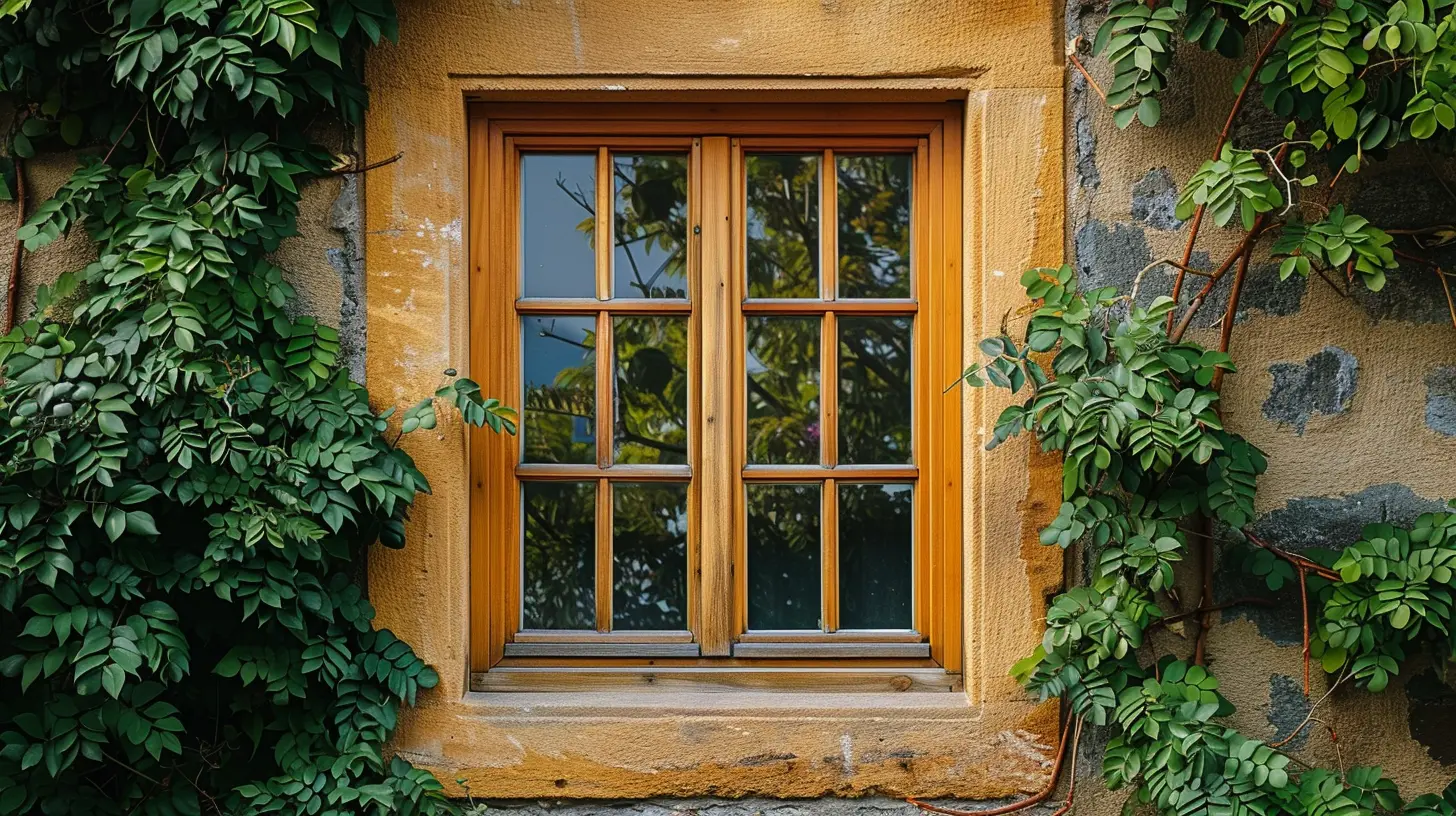
How Often Should You Inspect Windows and Doors?
You don’t need to put this on your calendar every week, but bi-annual inspections—once in the spring and once before winter—are ideal.Why these times?
- Spring: After harsh winter conditions, it's the perfect time to assess for wear and tear caused by snow, ice, or wind.
- Fall: A pre-winter check ensures everything is sealed tight against cold drafts and moisture.
In areas prone to extreme weather events or humidity, quarterly checks can be a smart move.
The Exterior Inspection Checklist
Let’s head outside first. What should you be keeping an eye on? Here’s what to look for:1. Cracked or Peeling Paint
Paint isn't just for looks—it protects the window and door frames from the elements. If you're seeing peeling or bubbling paint, it might be letting moisture in. Scrape, sand, and repaint as needed.2. Warped Frames
Wooden frames tend to warp with exposure to moisture or intense sunlight. Warping can lead to poor sealing, which means more drafts and energy loss. Use a level to check alignment.3. Rot or Rust
Give frames a firm poke with a screwdriver. Soft spots in wood may indicate rot, while rust on metal can weaken supports. Don’t ignore these.4. Caulking and Sealant Gaps
Sealant is your best friend when it comes to keeping water out. Look for gaps, cracks, or crumbling sealant. Recaulking is a weekend DIY project that can make a big difference.5. Screens and Storm Panels
Make sure screens are intact—no tears or sagging. Storm windows should be secure and functional, especially before winter.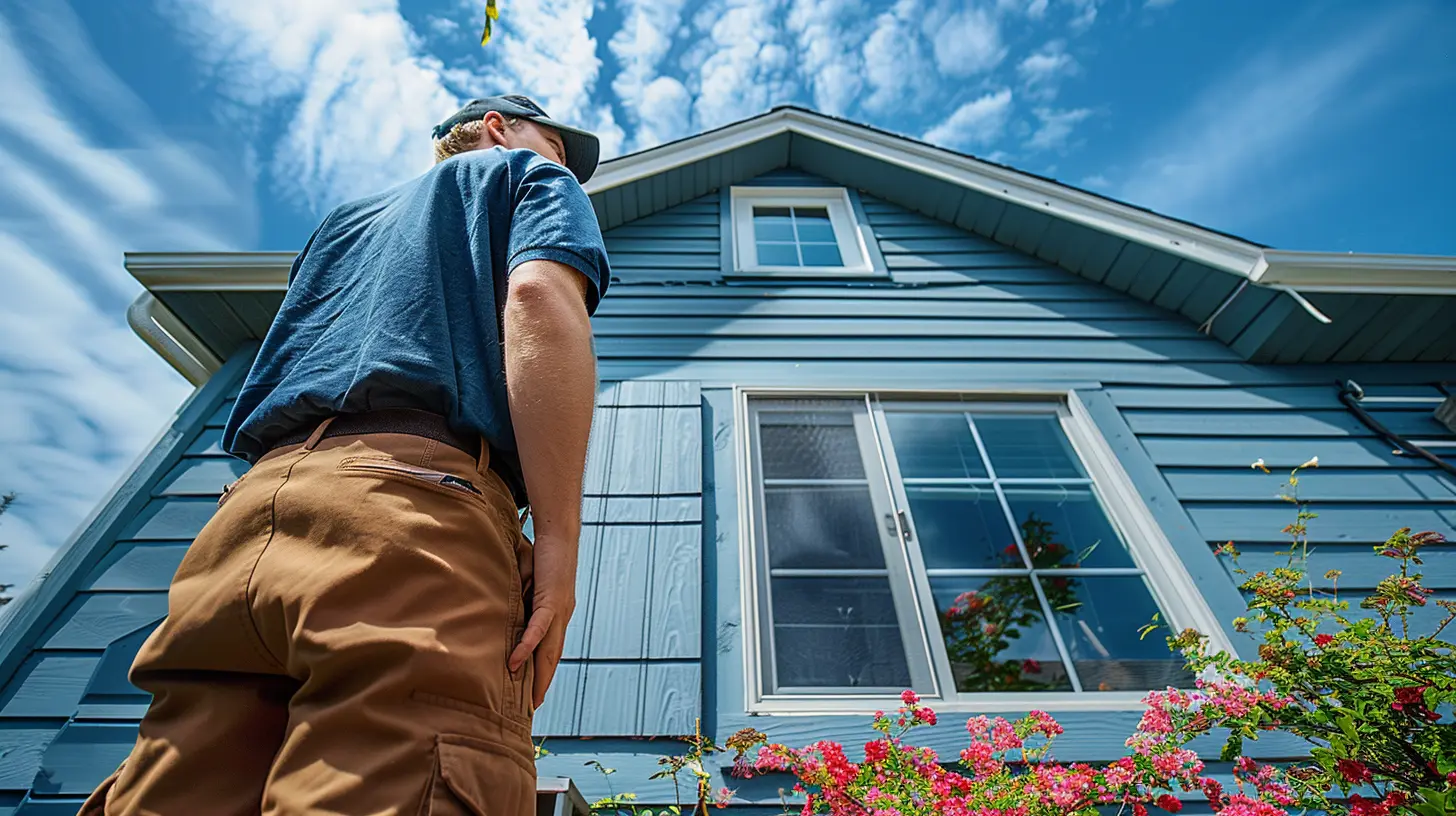
The Interior Inspection Checklist
Now let’s head inside—that’s where many of the unseen issues can start to creep in.1. Check for Drafts
Run your hand around the edges of windows and doors. Feel any cool air leaking in? That’s a draft, and it could be costing you big bucks in energy.You can also try the candle test: Light a candle and move it around the window frame. If the flame flickers, you’ve got a leak.
2. Inspect Locks and Latches
You want everything to shut and lock easily. If you’re wrestling with a window or jiggling a door to get it to shut, something’s off. Faulty locks are also a security risk.3. Look for Moisture or Condensation
Condensation between window panes can signal a broken seal in double-pane windows. That’s not something a towel can fix—it usually requires replacement.4. Check for Mold or Mildew
Look around the frames for dark spots or musty smells. Mold isn’t just gross—it can be a health hazard.5. Inspect for Noise
Hearing a lot of outside noise when your windows and doors are closed? That’s a sign they might not be insulating sound properly anymore.Common Signs That Repairs or Replacements Are Needed
You’ve done the inspections—what comes next? Knowing when a simple repair will do the trick or when you need a full replacement is key.Here are some common signs:
- Windows Won’t Open or Close Smoothly: Could be warped frames, failed balances, or debris buildup.
- Doors Stick or Drag: Misalignment or foundation settling could be the issue.
- Broken Glass or Foggy Panes: These usually indicate failed seals or damage.
- Peeling Weatherstripping: Replace old, cracked weatherstripping to keep drafts out.
- Frequent Condensation: This isn’t just annoying—it’s a red flag.
Best Tools for DIY Inspections
You don't need a whole toolbox, but a few handy items will help:- Flashlight ?: Great for spotting hidden damage in low light
- Putty Knife: Ideal for checking window frame softness (indicative of rot)
- Screwdriver: For tightening hardware or checking wood firmness
- Utility Knife: Useful for removing old caulking
- Level: Helps you assess frame alignment
And don’t forget a notepad or app to jot down issues.
When to Call in the Pros
Sometimes it's best to leave it to the experts. Call a professional if:- You notice large cracks or structural damage
- There’s extensive mold or wood rot
- Windows are foggy between panes
- You suspect your home isn’t energy efficient
- There’s evidence of pests nesting in or around frame areas
Pros can provide detailed assessments and often use thermal imaging to find hidden leaks.
Bonus Tips: Keeping Windows and Doors in Tip-Top Shape
Maintenance isn’t just about fixing things—it’s also about preventing problems before they start. A few habits go a long way.1. Clean Regularly
Dust, dirt, and grime can cause mechanical problems over time. Use a gentle cleaner on glass and a wood-safe solution for frames. And don’t forget to vacuum out the tracks.2. Lubricate Moving Parts
Hinges, locks, and sliders all benefit from a little TLC. Use silicone-based lubricants to keep everything running smoothly.3. Replace Weatherstripping Every Few Years
Weatherstripping wears out. Replacing it is inexpensive and instantly boosts energy efficiency.4. Keep Landscaping Trimmed
Bushes and trees can scratch or press against windows and doors, causing damage over time. Keep a clear buffer zone.Real Estate Perspective: Why This Matters in Property Sales
If you're in the real estate game—whether buying, selling, or managing properties—window and door inspections are a must.Buyers notice clean, functional windows and doors. They’re like the “handshake” of a home. First impressions matter. Plus, being able to show that a home has been properly maintained adds value and credibility.
For sellers, proving regular maintenance through inspection reports can justify a higher asking price. For property managers, regular inspections can prevent tenant complaints and costly emergency repairs.
Wrapping It Up
So, are your windows and doors up to snuff? If you’ve made it this far, now you know what to check, how often, and how to keep everything in great shape. Inspections don’t need to be overwhelming. A little attention twice a year can save you a ton of stress (and money) down the road.So grab that flashlight, maybe a cup of coffee, and go give your windows and doors the inspection they deserve. Your wallet—and your peace of mind—will thank you.
all images in this post were generated using AI tools
Category:
Property MaintenanceAuthor:

Vincent Clayton
Discussion
rate this article
1 comments
Felicity Gonzalez
Great insights on window and door inspections! Keeping these areas in top shape not only enhances safety but also boosts energy efficiency. Regular checks can save money and prevent bigger issues down the line. Keep up the good work!
July 5, 2026 at 4:56 AM