Affordable Housing Trends: What to Expect in the Coming Years
3 January 2026
The housing market is always changing, and if there's one thing that's on everyone's radar, it's affordability. Over the past few years, home prices have skyrocketed, making it tough for first-time buyers and renters alike. But don't lose hope just yet! Affordable housing trends are shifting, and exciting things are on the horizon.
So, what does the future hold? Are we finally going to see lower prices and better housing options? Let’s dive into the key trends shaping affordable housing in the coming years. 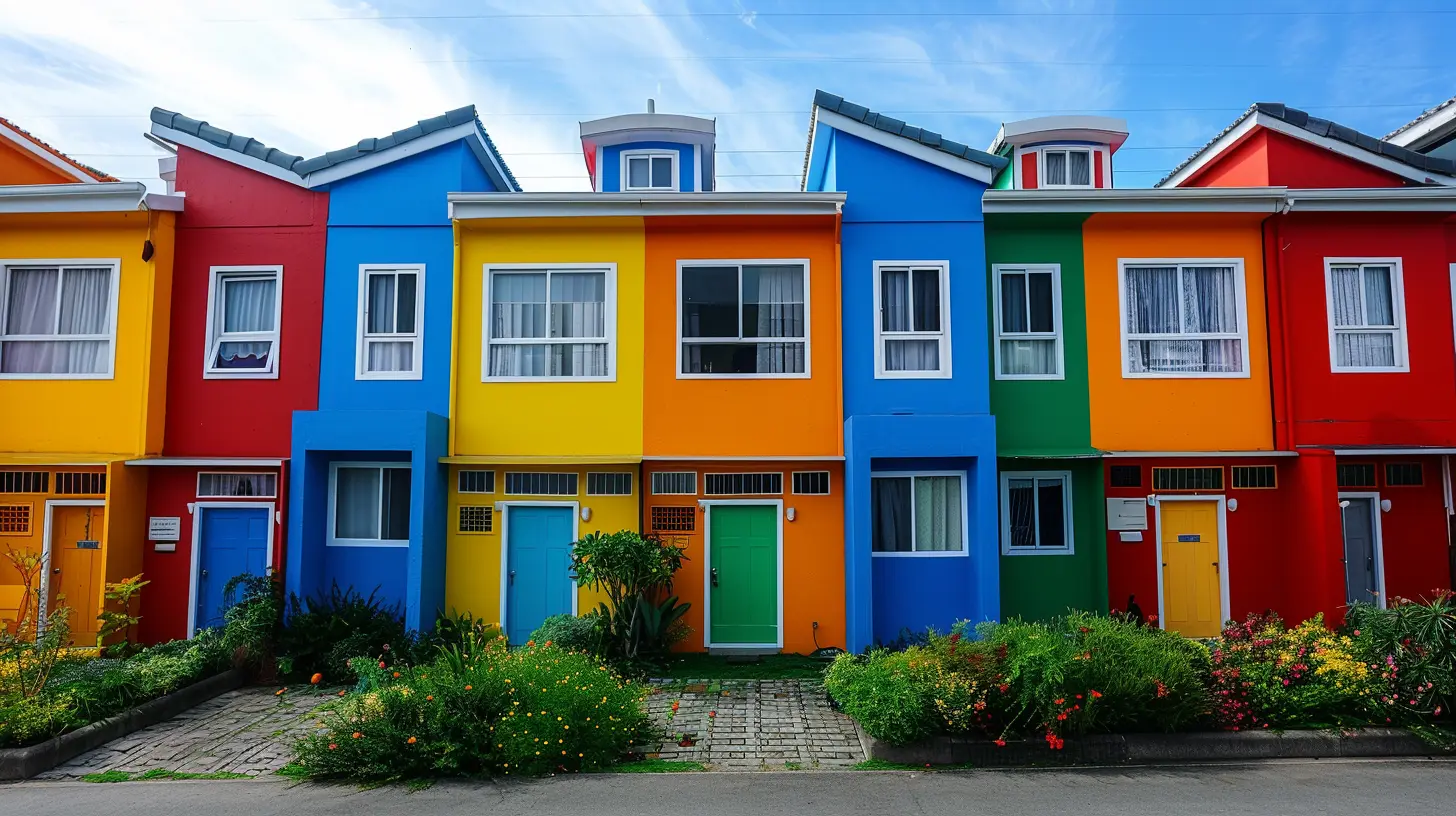
1. The Rise of Prefabricated and Modular Homes
Ever heard of homes that are built in a factory and assembled on-site like giant Lego blocks? That’s exactly what prefabricated and modular homes are! They are gaining popularity because they are cost-effective, energy-efficient, and quicker to build compared to traditional houses.Why Are They Becoming So Popular?
- Lower costs: Factory production reduces waste and labor costs.- Faster construction: You won’t have to wait a whole year for your home—some are built in just a few months!
- Sustainability: Many modular homes come with eco-friendly materials and energy-efficient designs.
With more builders embracing this approach, expect to see more stylish and affordable modular homes popping up everywhere. 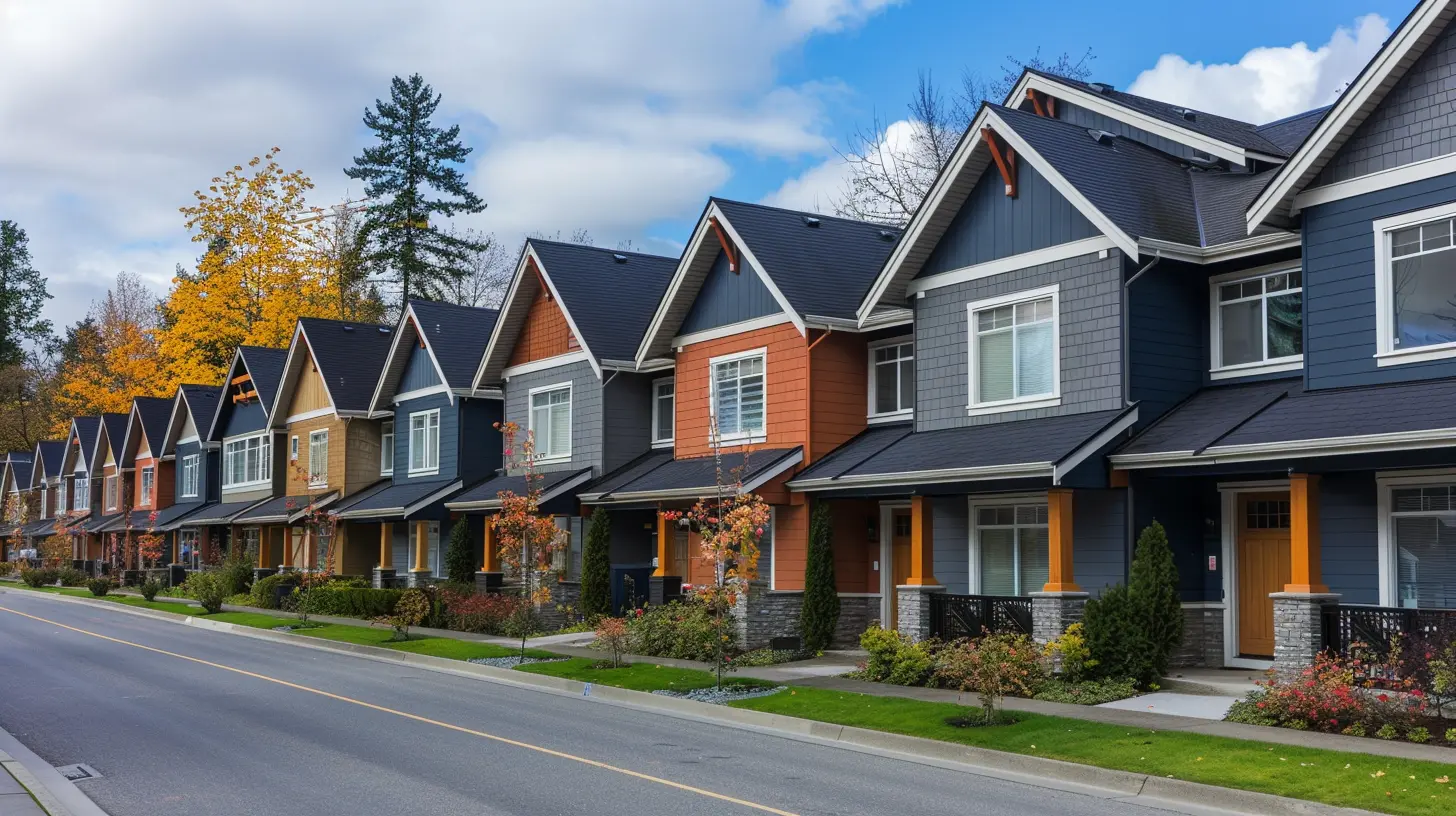
2. Tiny Homes: Small but Mighty!
Tiny homes have been making waves in the housing market for a while now, and they aren’t going away anytime soon. These compact, minimalist living spaces offer an affordable alternative, especially for young professionals and retirees looking to downsize.What’s Driving This Trend?
- Affordability: With prices significantly lower than traditional homes, tiny living is a budget-friendly option.- Minimalist Lifestyle: More people are realizing they don’t need a massive house filled with stuff to be happy.
- Eco-Friendly Living: Tiny homes use fewer resources, making them great for the environment.
While they might not be for everyone, tiny homes are proving to be an excellent solution for those wanting to cut costs and live simply. 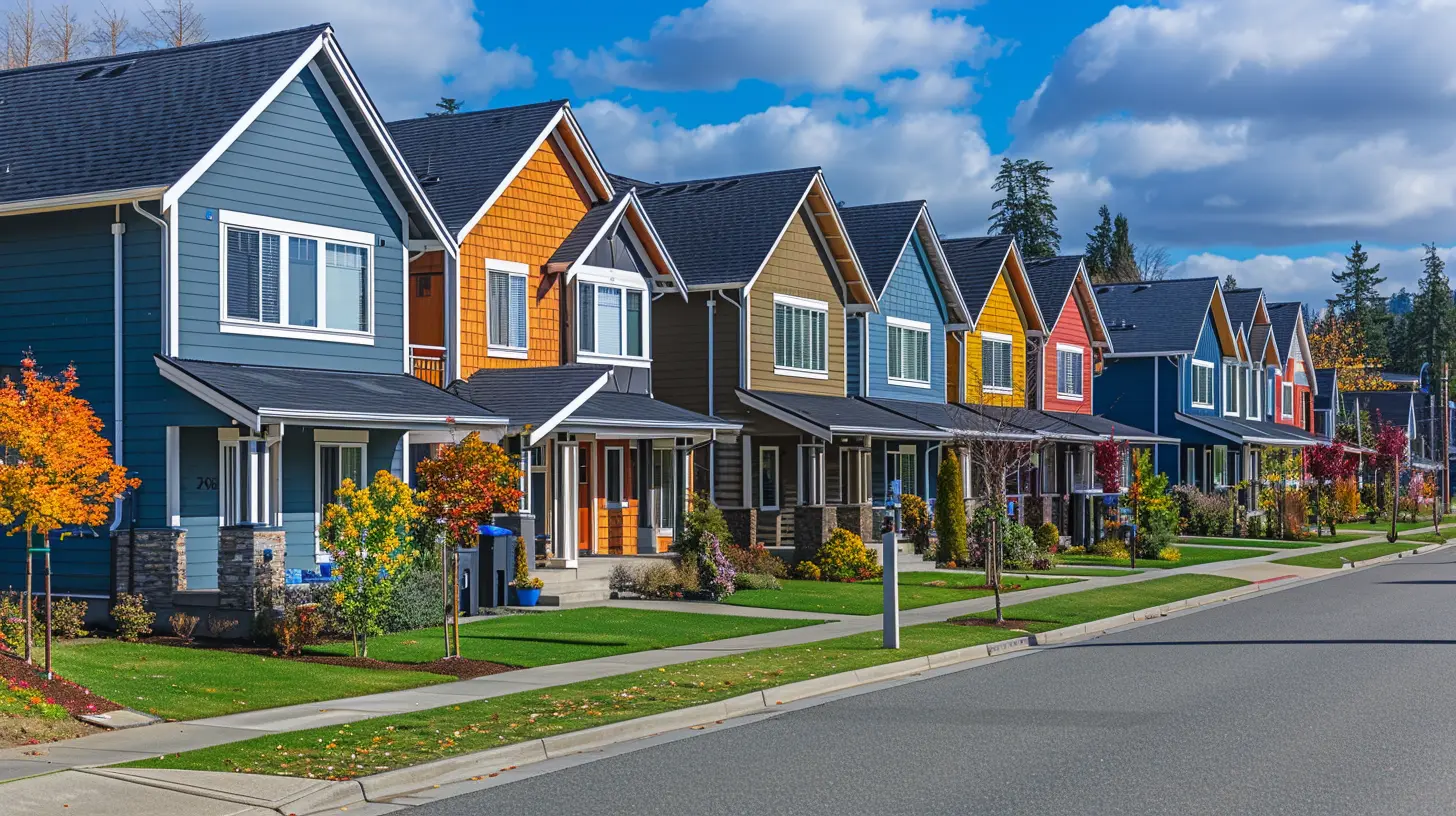
3. Co-Living and Shared Housing Concepts
Remember college dorms? Now imagine an upgraded, stylish version with shared living spaces, private bedrooms, and a strong sense of community. That’s co-living!Why Is Co-Living Gaining Traction?
- Lower Rent: Sharing costs makes housing more affordable.- Built-in Community: Perfect for young professionals, digital nomads, and even seniors who don't want to live alone.
- Flexible Lease Terms: Many co-living spaces offer short-term rentals, ideal for people who don’t want to be tied down to long leases.
As urban rents continue to rise, expect to see more co-living spaces in cities across the globe. 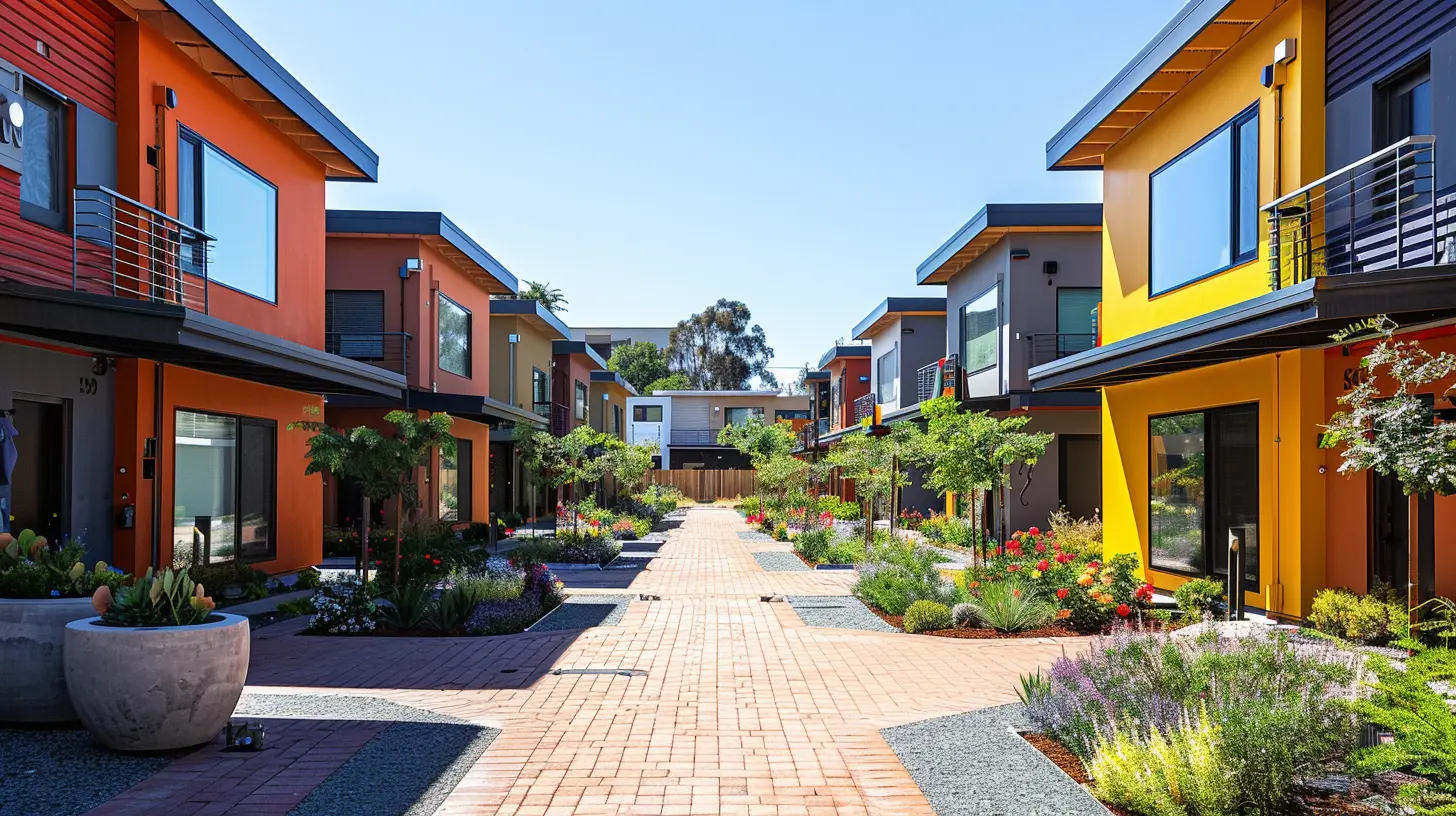
4. 3D-Printed Homes: The Future is Here!
It might sound like something out of a sci-fi movie, but 3D-printed homes are a reality! These homes are built using massive printers that layer materials like concrete to create walls and structures in a matter of days.Benefits of 3D-Printed Homes:
- Significantly Lower Costs: Automation cuts down on labor costs, making these homes highly affordable.- Faster Construction: Some homes can be built in just 24 hours!
- Durability: Many 3D-printed homes are designed to withstand extreme weather conditions.
Governments and private organizations are already investing in this technology to provide affordable housing for low-income families, and we can expect this trend to grow in the coming years.
5. Government Policies Supporting Affordable Housing
Governments worldwide are stepping up to tackle the affordable housing crisis. With rising home prices, policymakers are introducing new initiatives to make housing more accessible for low- and middle-income families.What Can We Expect?
- Subsidies and Incentives: More grants and tax breaks for first-time homebuyers.- Rent Control Measures: Cities are implementing caps to prevent rent hikes from getting out of control.
- Zoning Law Changes: More flexible zoning laws to allow for innovative housing solutions like tiny homes and ADUs (Accessory Dwelling Units).
These policies aim to create a more balanced housing market, making it easier for people to find affordable and stable homes.
6. The Surge in Remote Work and Its Impact on Housing
The pandemic changed the way we work forever. With more people working remotely, there’s less pressure to live in big (and pricey) cities. This shift is reshaping the housing landscape.How Is Remote Work Driving Affordable Housing?
- Increased Demand for Suburban and Rural Areas: People are moving away from expensive city centers in search of more affordable homes.- Converted Commercial Spaces: Some old office buildings are being transformed into residential units—talk about thinking outside the box!
- More Affordable Locations: Cities that were once overlooked are now seeing a rise in demand, leading to better housing opportunities.
As remote work continues to thrive, we can expect more affordable housing options in unexpected places.
7. Green and Energy-Efficient Homes
Affordable doesn’t have to mean cheap or low-quality. More buyers and builders are prioritizing eco-friendly homes that not only help the environment but also reduce utility bills.What Are the Key Green Housing Trends?
- Solar-Powered Homes: Lower energy bills and sustainable living? Yes, please!- Smart Homes with Energy Efficiency Features: Think smart thermostats, energy-saving appliances, and water-efficient plumbing.
- Eco-Friendly Building Materials: Recycled and sustainable materials are reducing construction costs and making homes more affordable.
Going green isn’t just a trend—it’s the future. And the best part? It’s making housing more affordable in the long run.
8. More Focus on Rent-to-Own Programs
Buying a home isn’t easy, especially when saving for a down payment seems impossible. That’s why rent-to-own programs are becoming more popular.How Do They Work?
- You rent a home with the option to buy it later.- A portion of your rent goes toward your future down payment.
- It gives first-time buyers a chance to own a home without needing a huge upfront investment.
This approach is giving more people a realistic path to homeownership without the financial stress.
Final Thoughts
The future of affordable housing is looking brighter! With innovative solutions like modular homes, co-living spaces, 3D printing, and supportive government policies, the dream of having a comfortable place to live is becoming more attainable for many.Whether you're a first-time homebuyer, a renter, or just someone curious about market trends, the coming years promise exciting changes that will shape the housing landscape for the better.
So, if you've been worried about finding an affordable place to call home, hang in there—good things are on the way!
all images in this post were generated using AI tools
Category:
Affordable HousingAuthor:

Vincent Clayton
Discussion
rate this article
2 comments
Octavia Hunter
Emerging policies will redefine affordable housing landscapes.
January 21, 2026 at 1:51 PM
Vincent Clayton
Absolutely. These policies could be game changers in making housing more accessible to everyone.
Emory Acevedo
Great insights! It's crucial to focus on innovative solutions for affordable housing. I'd love to see more discussion on community-driven initiatives and sustainable development in future articles.
January 16, 2026 at 4:54 AM
Vincent Clayton
Thank you for your feedback! I agree that community-driven initiatives and sustainable development are vital topics. I’ll definitely consider incorporating more of those discussions in future articles.