A Beginner’s Guide to Understanding Your Property's Electrical System
25 March 2026
Buying a home is an exciting milestone, but let’s be honest—owning property comes with its fair share of responsibilities. One of the most important (yet often overlooked) aspects of homeownership is the electrical system.
Whether you're moving into a brand-new house or an older home with some history, understanding your property's electrical system can save you time, money, and even prevent dangerous situations. But don’t worry—you don’t need to be an electrician to grasp the basics. In this guide, we’ll break things down in simple terms so you can feel confident about your home’s electricity.
*
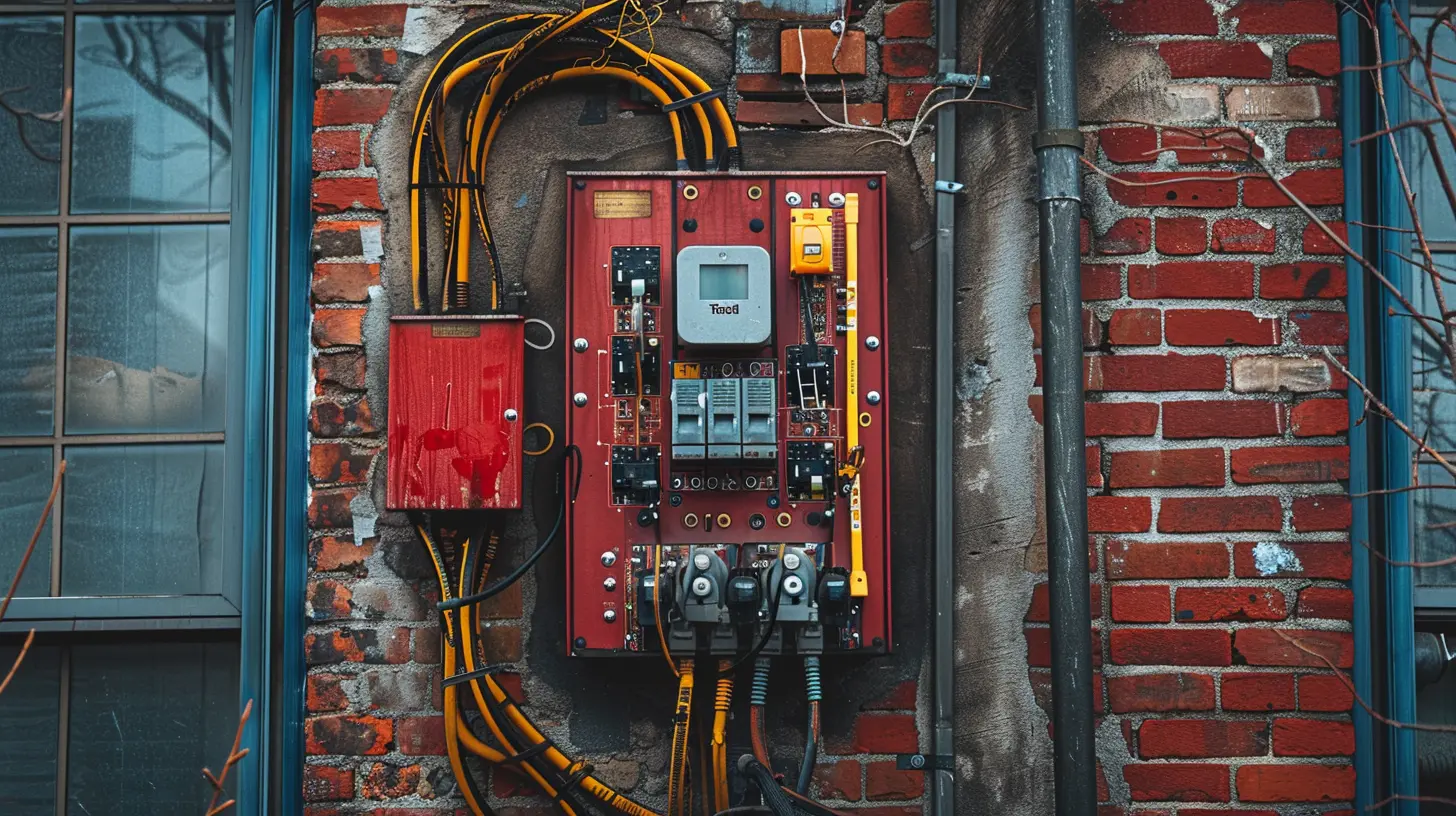
Why Should You Care About Your Home’s Electrical System?
Imagine electricity as the lifeblood of your home. It powers everything—from the lights you use daily to the appliances that keep your life running smoothly. Without it, modern living would come to a screeching halt.But here’s the catch: mishandling electricity can be dangerous. Faulty wiring, overloaded circuits, and outdated panels can lead to fires, electrocution, or costly repairs down the line. Understanding how your electrical system works can help you prevent these issues while making smarter decisions about upgrades, repairs, and energy efficiency.
*
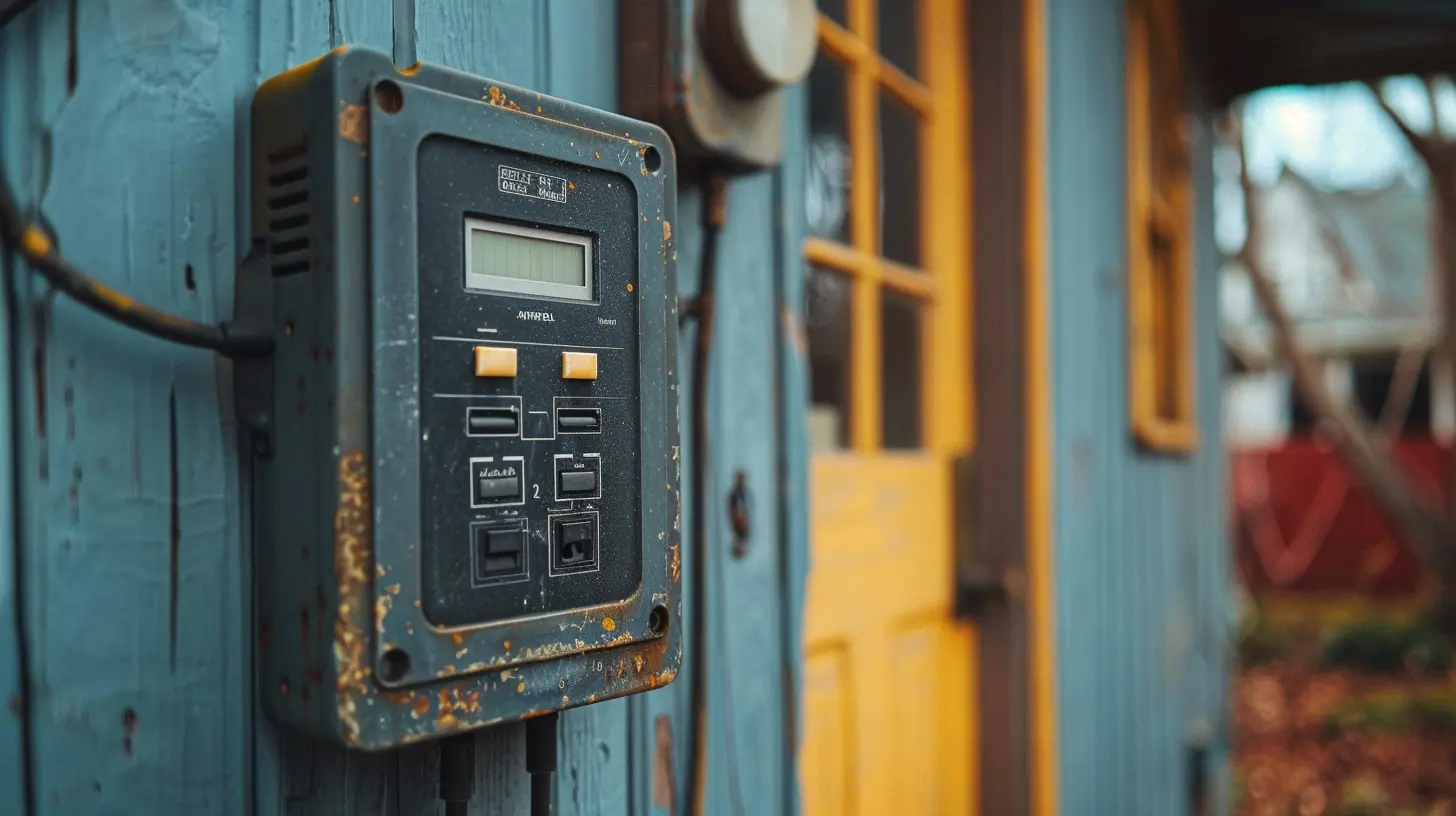
The Basic Components of Your Electrical System
To truly get a handle on your home’s electricity, you need to understand its core components. Let’s break it down into simple terms.1. Electrical Meter
This is where your home’s electricity journey begins. The electrical meter—usually located outside your home—measures the amount of electricity you use. Your utility company monitors this to calculate your energy bill.If you've ever noticed a sudden spike in your electricity costs, this is your first stop to figuring out what’s consuming the most power.
2. Electrical Panel (Breaker Box)
Your home’s electrical panel (sometimes called a breaker box or fuse box) is the brain of your electrical system. It’s where electricity from the utility company enters and gets distributed throughout your house.Inside the panel, you’ll find circuit breakers—small switches that control electricity flow to different areas of your home. If you ever experience a power outage in just one room, chances are a breaker has tripped, and resetting it can solve the issue.
3. Circuits and Wiring
Think of electrical circuits as roads for electricity to travel through. Your home has multiple circuits dedicated to different parts of the house, ensuring that power is distributed efficiently.Wires are like highways carrying electricity from the panel to your outlets, switches, and appliances. Typically, your home has different types of wiring for lighting, outlets, and heavy-duty appliances like ovens or HVAC systems.
4. Outlets and Switches
These are the points where you actually use electricity. Standard outlets provide power to everyday devices, while special outlets (like GFCIs in bathrooms and kitchens) protect against electrical shocks.Light switches control electricity flow to lighting fixtures, and dimmer switches allow you to adjust the brightness.
*

Common Electrical Issues Homeowners Face
Even if your home’s electrical system is well-designed, you may encounter some common issues. Here’s what to look out for:1. Frequent Tripped Breakers
If a breaker keeps tripping, it could be due to an overloaded circuit, faulty wiring, or a malfunctioning appliance. Try unplugging some devices and see if that helps. If the problem persists, call an electrician.2. Flickering or Dimming Lights
Occasional flickering might just be a loose bulb, but if it happens often, it could indicate voltage fluctuations or outdated wiring. If you notice lights dimming when you use appliances, it’s worth getting an electrician to inspect things.3. Warm or Sparking Outlets
Outlets should never feel warm to the touch. If they do, it could mean loose wiring or an overloaded circuit. And if you ever see sparks when plugging something in, stop using that outlet immediately and call for repairs.4. Buzzing or Humming Sounds
Electricity should be silent. If you hear buzzing near your outlets or panel, it might be due to loose wiring or faulty components. This isn’t something to ignore—it’s a warning sign that your system needs attention.5. Outdated Wiring
If you live in an older home, your wiring might not be up to today's safety standards. Knob-and-tube wiring, aluminum wiring, or cloth-wrapped wires can all pose fire hazards. If your home has old wiring, consider upgrading it to ensure safety.*
How to Maintain Your Electrical System
Keeping your home’s electrical system in top shape isn’t as complicated as it sounds. Here are a few simple steps you can take:1. Know Your Electrical Panel
Familiarize yourself with your breaker box. Label each circuit so you know which breaker controls what. This will come in handy during power outages or when troubleshooting issues.2. Don’t Overload Circuits
Plugging too many high-wattage devices into a single outlet can lead to overheating and even fires. Use power strips with built-in surge protectors and avoid daisy-chaining extension cords.3. Test GFCI Outlets Regularly
Ground Fault Circuit Interrupter (GFCI) outlets—those with "test" and "reset" buttons—are designed to prevent electric shocks, especially in areas with water exposure. Test them monthly by pressing the "test" button to ensure they shut off power properly.4. Look for Warning Signs
If you notice frequent electrical issues, don’t ignore them. Strange smells, buzzing sounds, or unusually high electric bills could indicate a problem that needs professional attention.5. Schedule a Professional Inspection
If you’re not sure about the condition of your home’s electrical system, getting an electrician to inspect it is a smart move. A professional can identify potential hazards, suggest upgrades, and ensure your system is up to code.*
When to Call a Professional
Some DIY fixes are okay—like resetting a breaker or changing a lightbulb—but electrical work can be dangerous if you don’t know what you’re doing. Here are clear signs that it's time to call an electrician:- You experience frequent power surges
- Your circuit breaker trips often
- You see exposed or damaged wires
- Your home has outdated two-prong outlets
- You smell burning or notice scorch marks near outlets
Electricians are trained to handle these situations safely. If you're ever in doubt, it’s better to be safe than sorry.
*
Final Thoughts
Understanding your property’s electrical system isn’t just about convenience—it’s about safety and efficiency. Knowing how electricity flows through your home, recognizing common issues, and practicing basic maintenance can save you from costly repairs and potential hazards.Next time you flip a switch or plug in your phone charger, take a moment to appreciate the complex yet fascinating system working behind the scenes. And if something doesn’t seem right? Don’t hesitate to take action. After all, a well-maintained electrical system keeps your home running smoothly and safely.
all images in this post were generated using AI tools
Category:
Property MaintenanceAuthor:

Vincent Clayton
Discussion
rate this article
2 comments
Anna McGehee
This guide effectively demystifies essential electrical concepts for homeowners. Understanding your property's electrical system is crucial not only for safety but also for energy efficiency and long-term maintenance planning.
March 29, 2026 at 6:05 AM
Vincent Clayton
Thanks for the feedback! I'm glad you found the guide helpful for understanding the essentials of your electrical system.
Wren McNeely
Great insights! A well-understood electrical system enhances property safety and value.
March 25, 2026 at 3:56 AM
Vincent Clayton
Thank you! I'm glad you found it helpful—understanding electrical systems is key to safety and value.